




What's Happening?
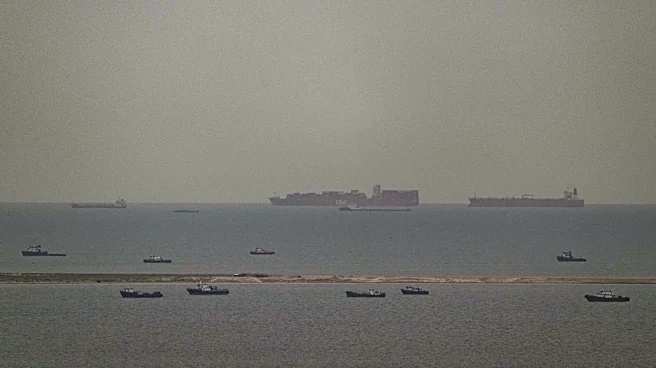
The United States, under President Trump, has agreed to a two-week ceasefire with Iran, following a period of heightened tensions and missile exchanges. This decision has left Iran in control of the Strait of Hormuz and with its ballistic capabilities
largely intact. The ceasefire allows Iran to continue enriching uranium, raising concerns about its potential to develop nuclear weapons. The situation presents a strategic dilemma for Israel, which must now navigate the implications of this ceasefire while preparing for potential future confrontations with Iran and its regional allies.
Why It's Important?
The ceasefire agreement has significant geopolitical implications, particularly for Israel and the broader Middle East. It may embolden Iran, allowing it to strengthen its regional influence and nuclear capabilities. This development could destabilize the region further, potentially leading to a nuclear arms race. For Israel, the ceasefire poses a challenge to its security strategy and its relationship with the United States. The agreement may also impact U.S. foreign policy, as it could lead to negotiations that align more closely with Iranian demands, potentially altering the balance of power in the Middle East.
What's Next?
Israel will need to reassess its security strategies and diplomatic relations in light of the ceasefire. This includes reinforcing its military positions and seeking new alliances to counterbalance Iran's influence. The U.S. may also face pressure to clarify its long-term strategy in the region, particularly regarding its commitments to allies like Israel. The outcome of the ceasefire and subsequent negotiations will be closely watched by international stakeholders, as it could set a precedent for future U.S.-Iran relations and impact global security dynamics.