




What's Happening?
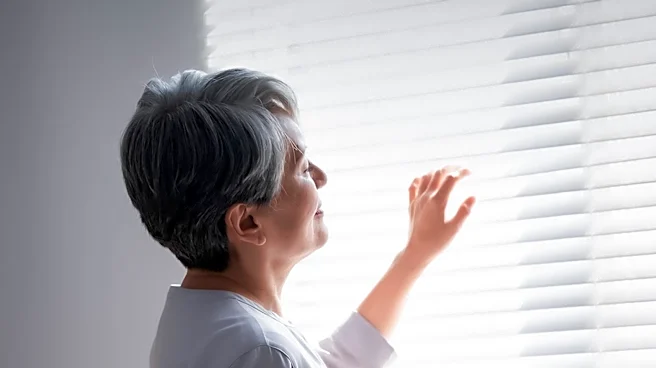
A new study from the University of Surrey reports that bright light therapy lamps can significantly improve sleep, activity levels, and circadian rhythms in older adults residing in urban areas. These individuals often experience diminished exposure to
natural light due to factors like declining eyesight or mobility issues, which can lead to sleep and health problems. The research, part of the European-wide ENLIGHTENme project, is the first real-world study to translate the benefits of light supplementation into everyday life. Over 200 participants aged 63-92 from diverse European cities were involved. Scientists found that participants with higher baseline natural light exposure exhibited greater daytime activity and better sleep quality. Furthermore, those who used light therapy lamps earlier in the morning were more active and had less disrupted rest-activity rhythms, while reducing evening light exposure led to lower rest-activity fragmentation.
Why It's Important?
This study offers a non-pharmacological and potentially cost-effective intervention to support healthy aging, particularly for the growing population of older adults in urban environments across the U.S. and globally. Diminished light exposure in this demographic contributes to circadian misalignment, which is linked to sleep problems, hormone imbalances, and increased risks of metabolic and cardiovascular diseases. By demonstrating that structured indoor light supplementation can improve sleep and activity, the research provides a practical tool for enhancing the quality of life and reducing health risks in older populations. This has significant implications for public health policy, suggesting that integrating light therapy into community care frameworks and care home guidelines could be a valuable strategy to promote healthy aging and potentially reduce healthcare burdens associated with chronic diseases.
What's Next?
The findings highlight a clear opportunity for policymakers to integrate structured indoor light supplementation into community care frameworks and care home guidelines. This could involve providing light therapy lamps to older adults, particularly those with limited outdoor access, and educating them on optimal usage times. Further research may focus on refining light therapy protocols, exploring its long-term benefits, and identifying specific subgroups of older adults who might benefit most. There is also potential for technological advancements in light therapy devices to make them more user-friendly and integrated into daily routines. The study's success in diverse cultural settings suggests its applicability across various urban populations, including those in the U.S., paving the way for broader implementation.
Beyond the Headlines
Beyond the immediate health benefits, this research touches upon the broader issue of how modern urban living impacts human biology. The disconnect from natural light cycles, a consequence of indoor lifestyles, highlights a fundamental challenge to maintaining optimal circadian health. The study underscores the importance of environmental design and public health initiatives that consider the biological needs of an aging population. It also raises ethical considerations regarding access to such interventions, ensuring that all older adults, regardless of socioeconomic status, can benefit. The concept of light as a therapeutic tool, often overlooked in favor of pharmaceutical solutions, gains significant validation here, potentially shifting paradigms in how we approach age-related health challenges and emphasizing holistic, environmental approaches to well-being.