




What's Happening?
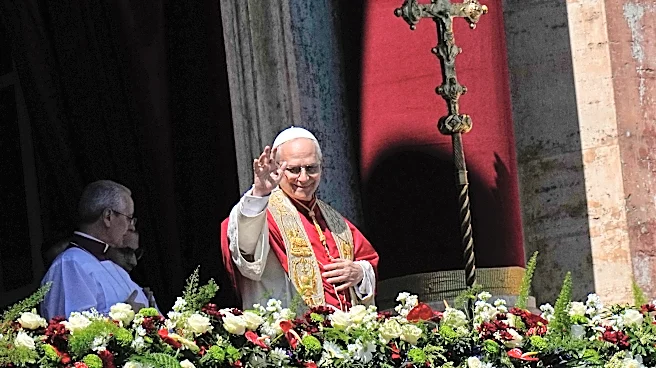
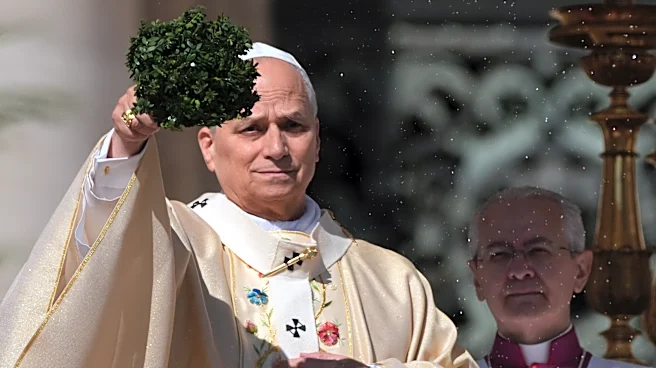
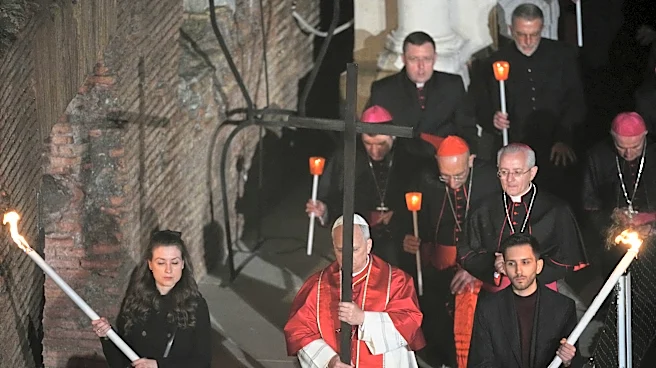
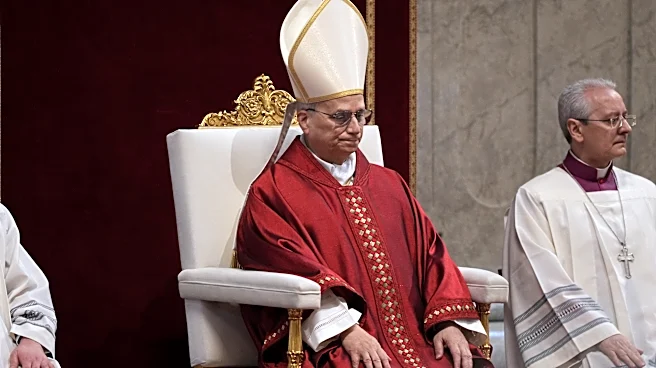
Pope Leo XIV, a Chicago native, presided over his first Easter as pontiff, delivering a homily that emphasized Jesus Christ as the King of Peace. His message, delivered during Holy Week, resonated globally and particularly among U.S. leaders. The Pope condemned
war and those who wage it, stating that God rejects the prayers of those whose hands are full of blood. This message comes at a time when global conflicts, such as those affecting worshippers in the Middle East, have cast a shadow over Easter celebrations. Despite these challenges, the Easter message of resurrection and forgiveness remains unchanged, offering hope and stability to believers worldwide.
Why It's Important?
The Pope's message is significant as it addresses the ongoing global conflicts and the moral responsibilities of leaders. His call for peace highlights the church's longstanding principles against war, resonating with those seeking meaning and stability in uncertain times. The increase in church attendance, particularly among young adults, suggests a renewed interest in spiritual guidance and community. This trend indicates a potential shift in societal values, where individuals are seeking solace and purpose within religious institutions. The Pope's influence and message could inspire political leaders to reconsider their approaches to conflict resolution.
What's Next?
The Pope's message may prompt discussions among political leaders and religious communities about the role of faith in addressing global conflicts. As the church experiences a resurgence in attendance, particularly among young adults, there may be increased efforts to engage this demographic in peace-building initiatives. The church's growing influence could lead to collaborations with policymakers to promote peace and reconciliation. Additionally, the Pope's stance may encourage religious leaders worldwide to advocate for non-violence and dialogue in conflict zones.
Beyond the Headlines
The Pope's message also touches on the ethical dimensions of war and peace, challenging leaders to reflect on their moral responsibilities. His homily serves as a reminder of the church's role in advocating for justice and compassion, potentially influencing cultural shifts towards non-violence. The resurgence in church attendance among young adults may indicate a broader cultural movement towards spiritual renewal and community engagement. This trend could lead to long-term changes in societal values, emphasizing the importance of faith and moral clarity in navigating global challenges.