



What's Happening?
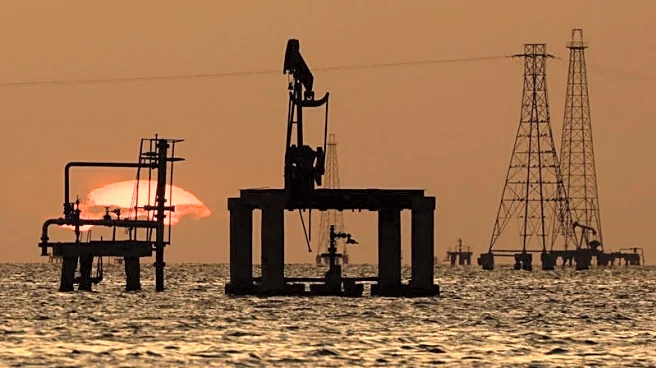
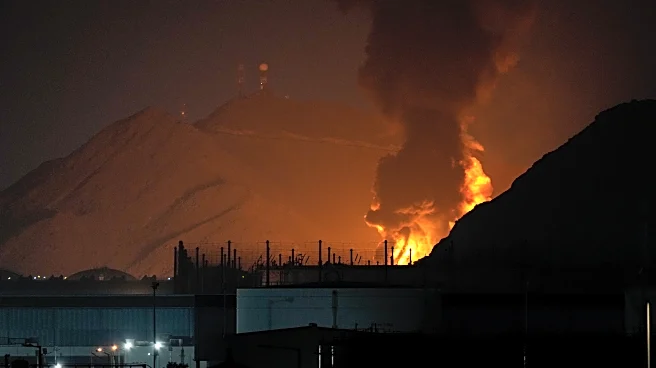
Indonesian Industry Minister Agus Gumiwang Kartasasmita has highlighted the impact of the U.S.-Israel and Iran conflict on global energy prices and trade routes, which could affect Indonesia's manufacturing sector. The Middle East, particularly the Strait
of Hormuz, is a crucial route for global oil trade, and disruptions there could lead to increased energy prices. This rise in energy costs is expected to impact industries such as petrochemicals, base metals, cement, and fertilizers, which are sensitive to energy price fluctuations. Additionally, geopolitical tensions may affect the availability and cost of imported raw materials, further challenging the manufacturing sector.
Why It's Important?
The potential increase in global energy prices and disruptions in trade routes could significantly impact Indonesia's manufacturing sector, which relies heavily on energy and imported raw materials. Rising production costs may erode the competitiveness of Indonesian products in both domestic and export markets. The situation underscores the vulnerability of industries dependent on stable global trade and energy prices. The Indonesian government is focusing on strengthening the upstream industrial structure, increasing the use of domestic raw materials, and diversifying export markets to mitigate these challenges.
What's Next?
To maintain the resilience of the national industrial sector, the Indonesian government plans to improve energy efficiency and accelerate the transition to a green industry. This strategy aims to reduce dependence on fossil fuels, which are subject to geopolitical price fluctuations. The Ministry of Industry will continue to coordinate with industry players, associations, and relevant ministries to ensure the sector's growth and competitiveness amidst global dynamics.