

What's Happening?
An opinion piece in Education Week discusses the need to shift the focus of Black History Month from individual hero worship to community and collective action. The article critiques the traditional narrative that highlights singular figures like Rosa
Parks and Martin Luther King Jr. as lone heroes, instead of recognizing the broader community efforts that supported civil rights movements. It argues that this approach diminishes the role of community organizers, strategists, and everyday people who contributed to the struggle for racial justice. The piece calls for a more inclusive teaching of Black history that emphasizes solidarity and the collective work required to sustain justice movements.
Why It's Important?
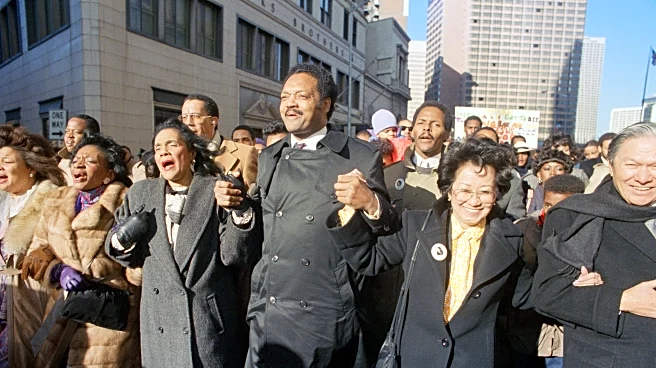
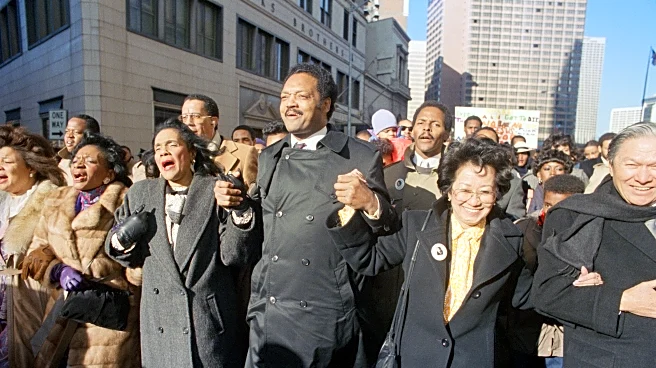
This perspective challenges the conventional teaching of Black history, which often simplifies complex social movements into stories of individual heroism. By focusing on community efforts, educators can provide a more accurate and empowering narrative that highlights the importance of collective action. This approach can inspire students to see themselves as part of a larger movement for change, rather than waiting for a singular hero to emerge. It also addresses current educational challenges, as some lawmakers attempt to restrict the teaching of comprehensive Black history, underscoring the need for inclusive and truthful historical education.
What's Next?
Educators and curriculum developers may begin to incorporate more community-focused narratives into their teaching of Black history. This could involve highlighting lesser-known figures and grassroots organizations that played crucial roles in civil rights movements. Additionally, there may be increased advocacy for educational policies that support comprehensive and inclusive history education. As discussions around race and history continue, this shift in focus could influence broader educational reforms and public understanding of historical events.