







What's Happening?
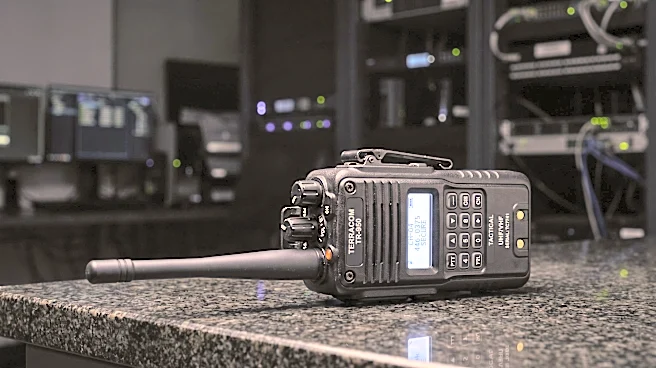
The Seattle Police Department (SPD) is changing how it communicates crime information to the public, particularly concerning incidents in the East Precinct and city-wide. A significant shift occurred this summer with SPD and Seattle Fire fully encrypting
their dispatch and emergency radio transmissions. This action has cut off real-time public and scanner access to tactical and operational channels, altering how the public receives immediate information about police activities. Additionally, the department's 'Significant Incident Reports' (SIRs), which are daily briefs prepared for command briefings and publicly published, are also undergoing changes. While city-wide SIR updates have been curtailed, the East Precinct's SIRs have increased, focusing more on officer hazards and physical resistance encountered during arrests. These changes reflect broader City Hall priorities aimed at increasing public safety downtown, influencing how daily enforcement, arrests, and challenges are reported across Seattle.
Why It's Important?
These changes in SPD's communication strategy have significant implications for public transparency and oversight of law enforcement. The encryption of radio transmissions limits the ability of journalists, community watch groups, and the general public to monitor police activity in real-time, potentially reducing accountability. The shift in focus of East Precinct's SIRs towards officer safety and resistance during arrests could shape public perception of crime and policing in that area, potentially influencing narratives around police encounters. This altered reporting mechanism could also affect community trust and engagement, as residents may feel less informed about local crime trends and police responses. The move comes as City Hall prioritizes downtown public safety, suggesting a strategic realignment of resources and communication efforts that could impact various neighborhoods differently.
What's Next?
The ongoing changes in SPD's communication methods are likely to continue to draw scrutiny from community advocates and media organizations concerned about transparency. Discussions around the balance between operational security and public access to information are expected to persist. Community groups may seek alternative ways to gather information about local crime and police activity, potentially leading to increased demands for more detailed public data or different forms of reporting from the SPD. The evolving nature of SIRs, particularly in the East Precinct, will likely be monitored to understand how it influences public discourse on crime and policing. City Hall's continued focus on downtown public safety may also lead to further adjustments in resource allocation and communication strategies across other precincts.
Beyond the Headlines
The encryption of police radio communications raises broader questions about the role of transparency in modern policing and its impact on civil liberties. While law enforcement agencies often cite officer safety and tactical advantages as reasons for encryption, critics argue it can hinder public oversight and make it more difficult to document police misconduct or understand critical incidents as they unfold. This shift could contribute to a growing information asymmetry between law enforcement and the public, potentially eroding trust and fostering speculation in the absence of real-time, verifiable information. The changing narrative in public incident reports, emphasizing officer hazards, could also subtly influence public perception of policing as a more dangerous profession, potentially garnering more public sympathy for officers while potentially downplaying other aspects of police-community interactions. This development reflects a national trend where police departments are increasingly controlling the flow of information to the public.