





What's Happening?
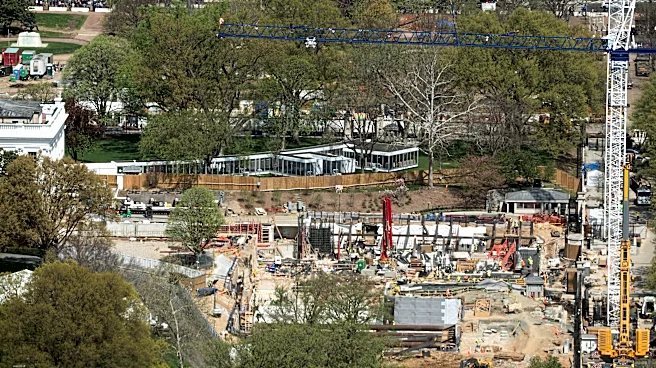
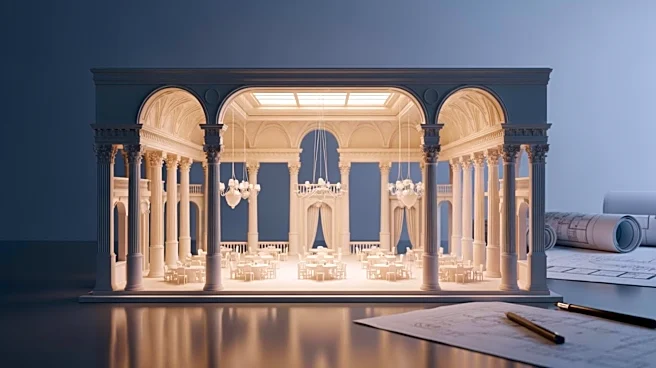
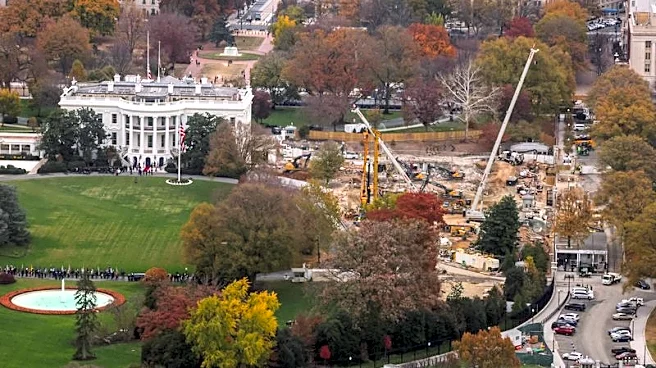
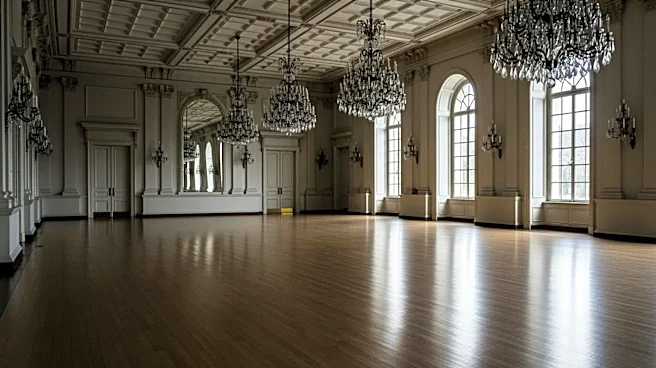
A federal appeals court in Washington, D.C., has temporarily allowed President Trump to resume construction of a planned White House ballroom. This decision comes after a lawsuit by the National Trust for Historic Preservation sought to block the project,
arguing it violated federal laws and lacked necessary approvals. The Trump administration contends that the project is crucial for the safety and security of the president and White House staff. The court's ruling provides temporary relief to the administration, but requires further clarification from a lower court on whether halting the project would harm national security.
Why It's Important?
The construction of the White House ballroom, estimated to cost nearly $400 million, raises questions about executive authority and the need for congressional approval for such projects. The administration's argument that the project is essential for security purposes highlights the ongoing debate over the balance of power between the executive branch and other governmental bodies. The outcome of this case could set a precedent for future executive-led construction projects and their oversight. Additionally, the project's funding, reportedly from private sources, underscores issues of transparency and accountability in government spending.
What's Next?
The case will return to the district court for further explanation on the national security implications of the project. The Trump administration may seek emergency intervention from the Supreme Court if necessary. The ongoing legal battle will likely continue to draw attention to the broader issues of executive authority and historic preservation. Stakeholders, including preservation groups and government officials, will be closely watching the developments to assess the impact on future White House renovations and expansions.