







What's Happening?
Deutsche Bank has announced its support for a new climate-focused private equity fund, the Mekong Earth Regeneration Fund (MERF), with a $50 million commitment from the Green Climate Fund (GCF). The fund aims to accelerate investment in sustainable agriculture
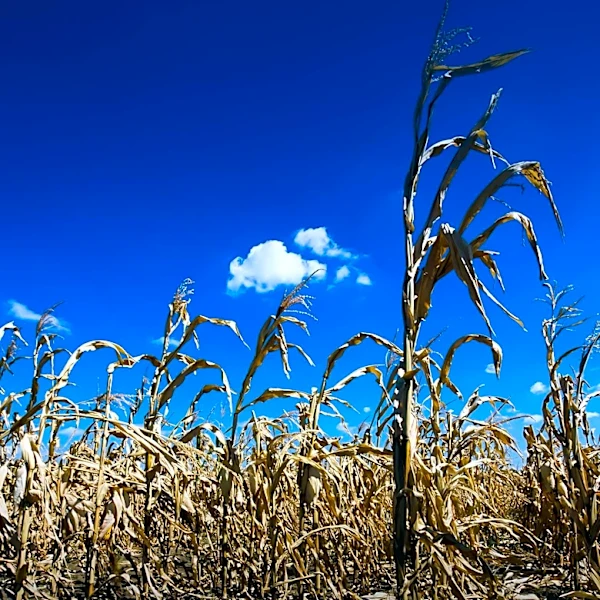
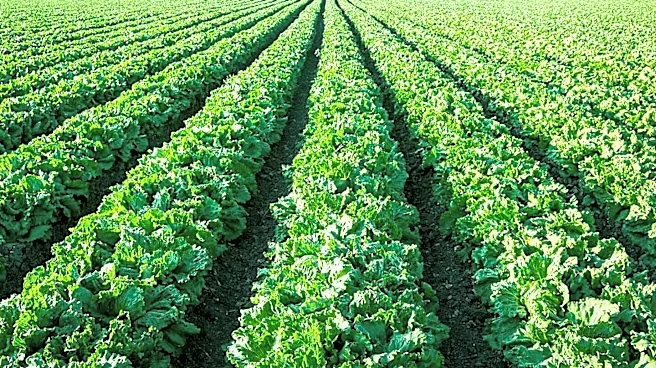
across Southeast Asia, particularly in Vietnam and Laos. It will focus on agribusinesses and value-chain companies working with smallholder farmers to expand climate-resilient farming practices and strengthen food systems in the Lower Mekong region. Deutsche Bank, as an accredited entity for GCF, will oversee the implementation to ensure compliance with environmental, social, and governance requirements. The fund is expected to reduce approximately 8 million tonnes of greenhouse gas emissions and support around 300,000 people through investments in sustainable agricultural production and supply chains.
Why It's Important?
This initiative is significant as it addresses the urgent need for sustainable agricultural practices in regions vulnerable to climate change. By channeling institutional funding into projects that traditionally struggle to secure long-term financing, the fund aims to foster innovative climate solutions. The involvement of Deutsche Bank and the GCF highlights the growing role of financial institutions in supporting environmental sustainability. The fund's focus on reducing emissions and supporting local communities aligns with global efforts to combat climate change and promote sustainable development. This could set a precedent for similar investments in other high-risk markets, potentially leading to broader adoption of climate-resilient practices in agriculture.
What's Next?
The next steps involve the deployment of capital by Vietnam-based private equity firm Mekong Capital, which will act as the investment manager. The fund's success could encourage further institutional investments in similar projects, potentially expanding the model to other regions. Stakeholders, including local governments and international organizations, may monitor the fund's impact on emissions reduction and community support. The outcomes could influence future policy decisions and investment strategies in sustainable agriculture, both regionally and globally.