
What's Happening?
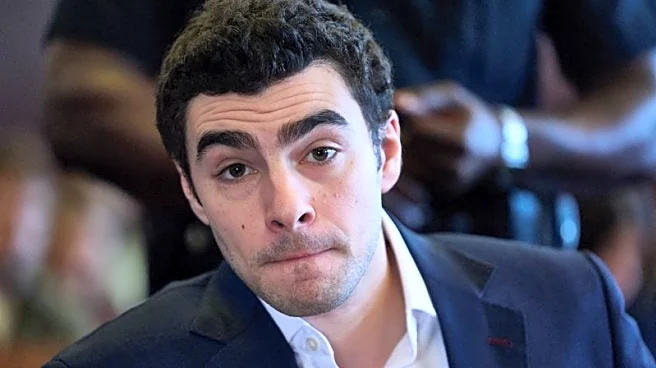
In a significant legal development, a federal judge has ruled that the death penalty will not be pursued in the trial of Luigi Mangione, accused of assassinating UnitedHealthcare's CEO. Judge Garnett dismissed
charges that could have led to capital punishment, citing that the stalking charges did not meet the legal definition of a crime of violence. Despite this, evidence from Mangione's backpack, seized without a warrant, will be admissible in court. The case has drawn attention due to its high-profile nature and the procedural intricacies involved.
Why It's Important?
This decision is pivotal in the ongoing debate over the death penalty and its application in the U.S. legal system. By removing the death penalty option, the case highlights the critical role of legal definitions and procedural accuracy in capital cases. The admissibility of evidence obtained without a warrant also raises important questions about search and seizure laws. The outcome of this trial could set precedents for how similar cases are handled in the future, impacting legal strategies and the broader discourse on justice and due process.
What's Next?
The trial will proceed with the possibility of life imprisonment for Mangione if convicted. Legal teams will likely focus on the admissibility of evidence and the implications of the judge's ruling. The case may prompt discussions among legal scholars and policymakers about the death penalty and procedural justice. Observers will be watching for any appeals or further legal maneuvers that could influence the trial's outcome and its broader implications for the justice system.