



What's Happening?
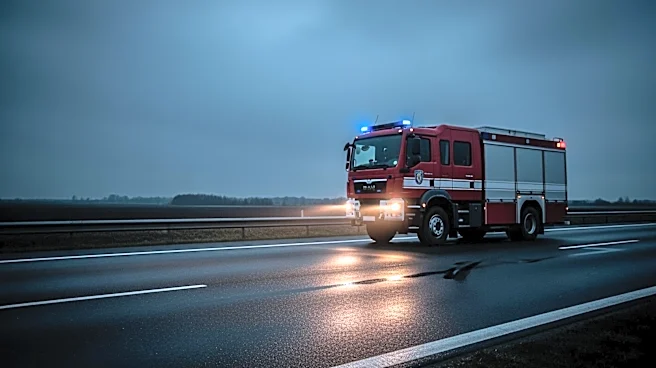
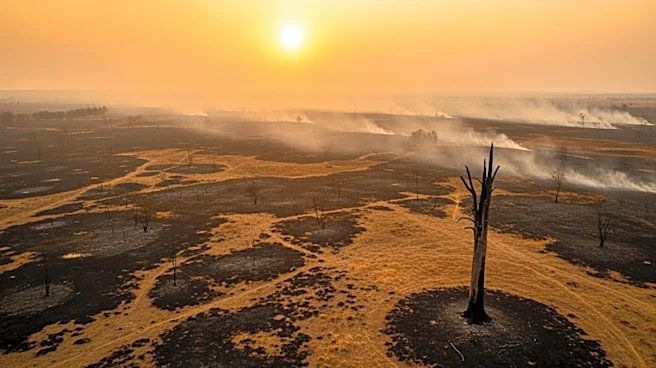
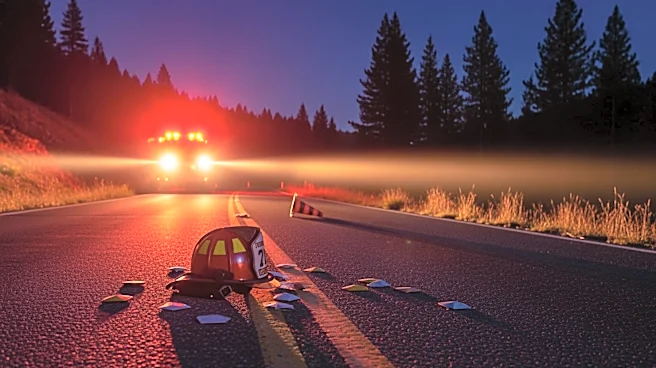
A tragic accident occurred in Hemet, California, when a Mini Cooper collided with a CAL FIRE engine that was responding to a wildfire in Riverside County. The incident took place around 12:30 p.m. on Friday, as the fire truck was traveling northbound
on State Street with its emergency lights and siren activated. The Mini Cooper, driven by a 43-year-old man from San Jacinto, was heading west on Gibbel Road when the collision happened. The driver and a 10-year-old passenger in the front seat of the Mini Cooper were killed. Another young passenger in the back seat was hospitalized for a precautionary evaluation. Three CAL FIRE firefighters were injured in the crash and were taken to Inland Valley Hospital for evaluation, but were later released. The California Highway Patrol stated that all individuals involved were believed to be wearing seatbelts, and there was no indication that alcohol or drugs contributed to the crash. The CAL FIRE engine was part of a strike team from the Tulare Unit in Visalia, responding to the Cranston fire, which was contained after burning 2 acres.
Why It's Important?
This incident highlights the inherent risks faced by emergency responders as they perform their duties. The loss of life and injuries underscore the dangers of high-speed responses to emergencies, even with safety measures like sirens and lights. The event may prompt discussions on road safety and emergency vehicle protocols, potentially leading to policy reviews to enhance the safety of both responders and the public. The tragedy also brings attention to the ongoing challenges faced by firefighting teams, particularly during wildfire season, which demands rapid and often hazardous responses. The impact on the families of the victims and the injured firefighters is profound, and the incident may lead to increased support and resources for those affected.
What's Next?
The California Highway Patrol is continuing its investigation into the crash to determine the exact circumstances and any contributing factors. This may involve reviewing traffic patterns, vehicle speeds, and other environmental conditions at the time of the accident. The findings could influence future training and operational procedures for emergency responders. Additionally, there may be community and governmental discussions on improving road safety measures, particularly in areas prone to emergency vehicle traffic. Support services for the families of the deceased and the injured firefighters are likely to be mobilized, providing necessary assistance during this difficult time.