





What's Happening?
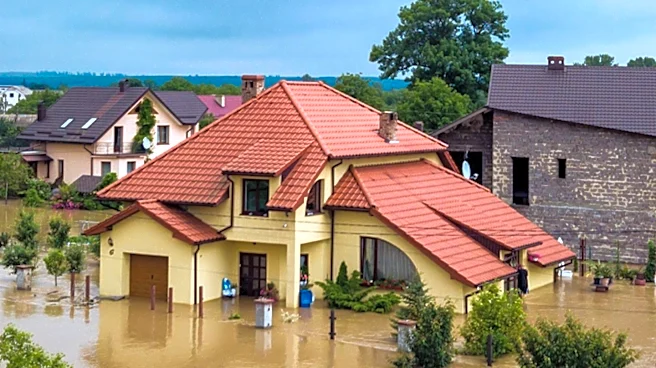
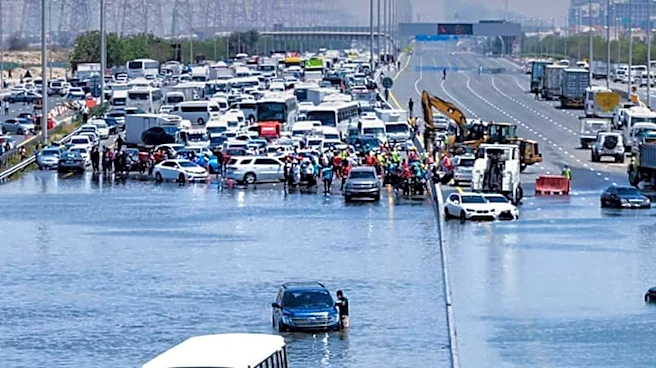
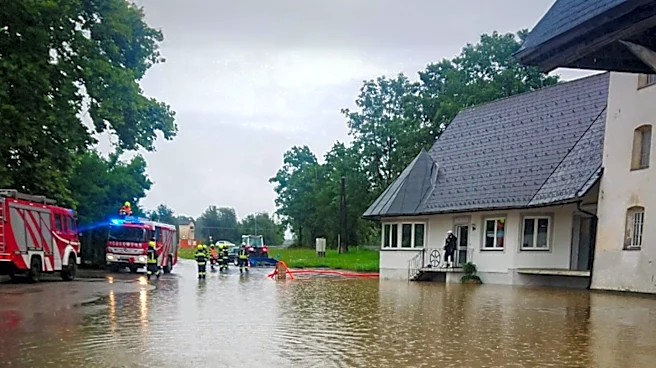
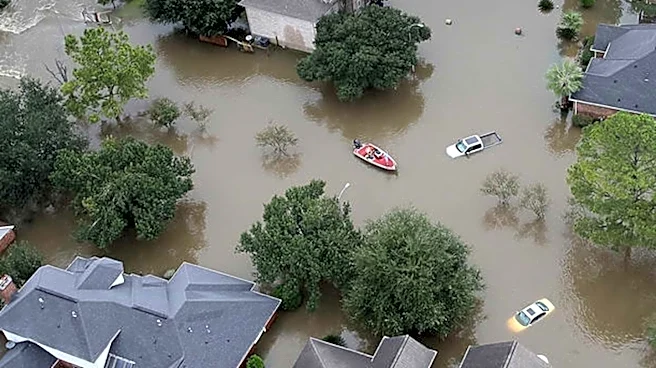
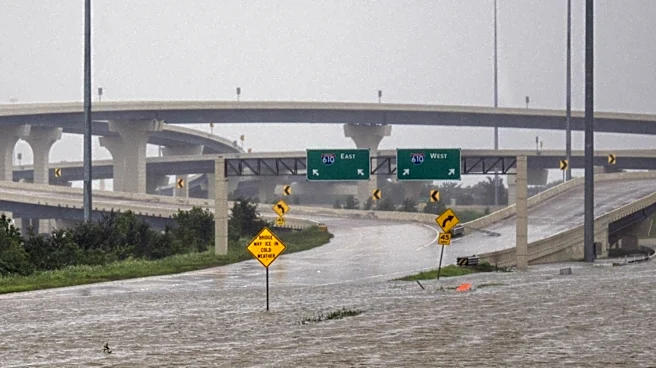
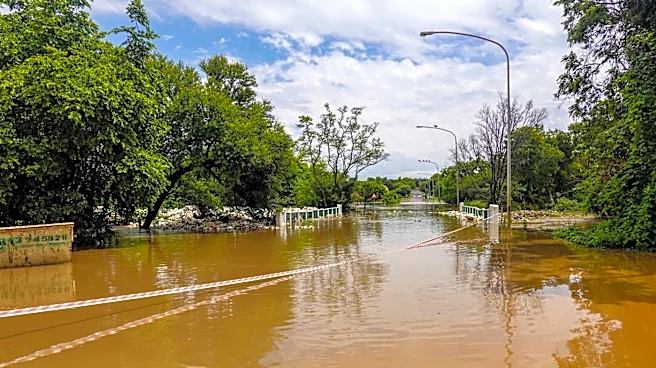
Catastrophic flash floods in Texas have resulted in the deaths of two individuals and necessitated hundreds of rescues, according to Governor Greg Abbott. The floods have affected areas still recovering from similar events a year ago. Rescuers have been
deployed to save stranded individuals, with more rain expected to exacerbate the situation. The National Weather Service has issued warnings as rivers rise to potentially historic levels. The floods have particularly impacted the Texas Hill Country, an area prone to such natural disasters due to its geographical features.
Why It's Important?
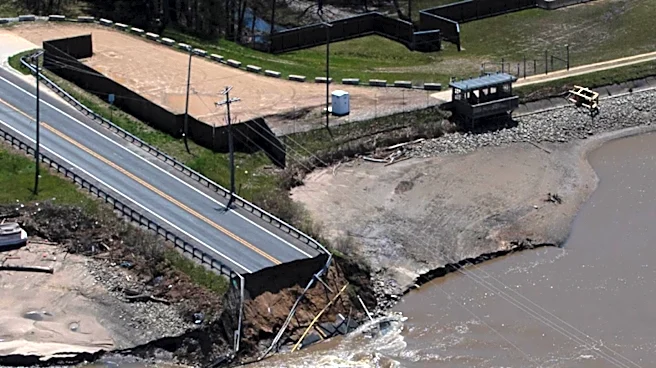
The flash floods in Texas underscore the ongoing challenges posed by extreme weather events, which are becoming more frequent and severe. These events highlight the need for improved emergency preparedness and infrastructure resilience in vulnerable areas. The floods have significant implications for public safety, local economies, and environmental management. They also raise questions about climate change and its impact on weather patterns, prompting discussions on policy measures to mitigate future risks. The response to such disasters is critical in protecting lives and minimizing damage.
What's Next?
As the situation develops, continued monitoring and response efforts are essential. Authorities are likely to focus on rescue operations and providing aid to affected communities. Long-term, there may be increased pressure on local and state governments to invest in flood prevention and management strategies. The events could also influence policy discussions on climate change adaptation and disaster preparedness at both state and national levels. Community resilience and recovery will be key areas of focus in the aftermath of the floods.