
What's Happening?
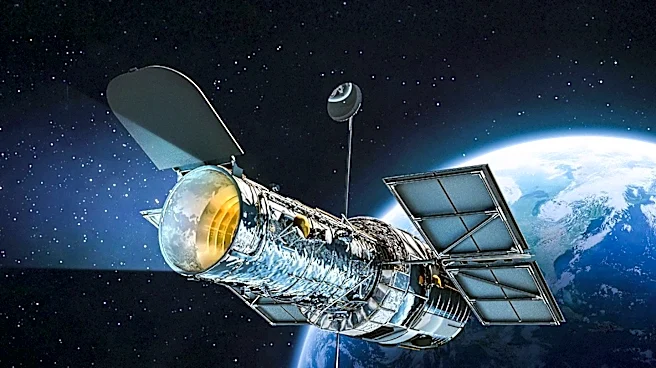
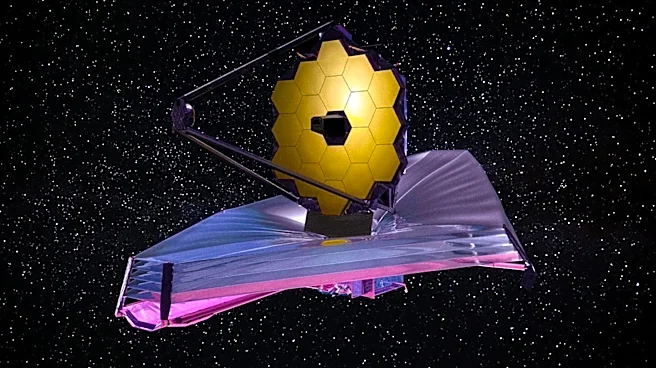
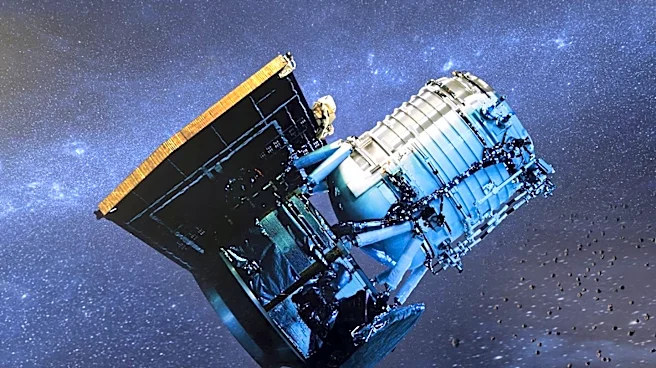
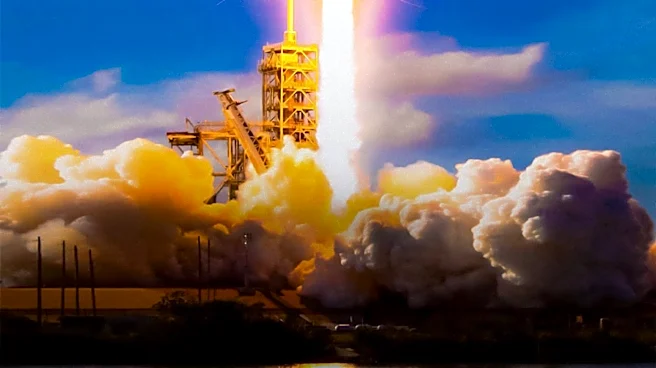
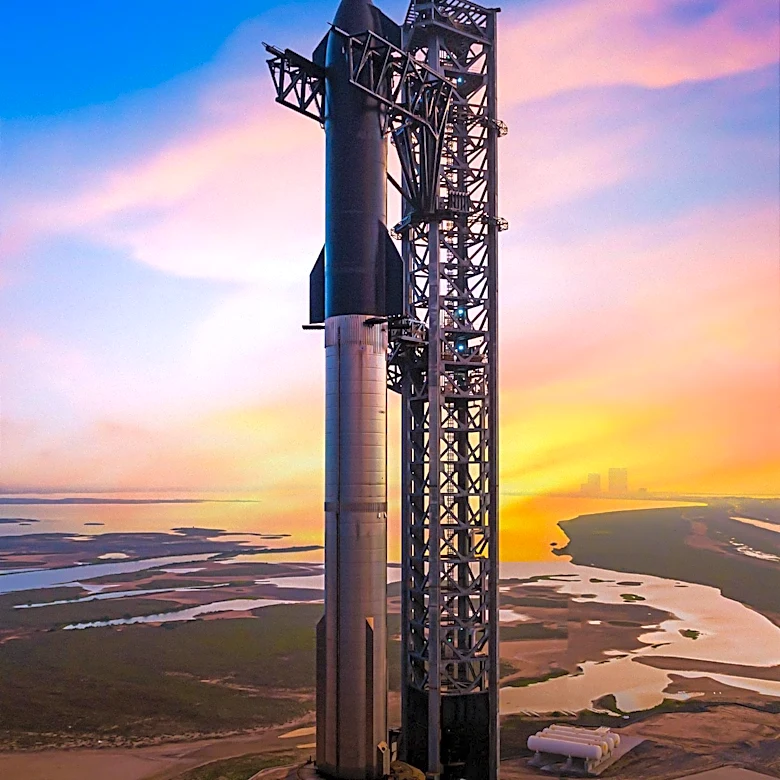
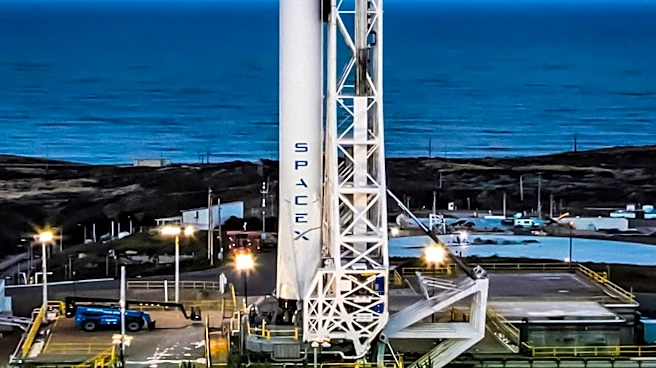
NASA is preparing to launch the Nancy Grace Roman Space Telescope, a mission aimed at exploring dark matter and exoplanets, using SpaceX's Falcon Heavy rocket. The telescope, named after NASA's first chief astronomer, will have a field of view 100 times
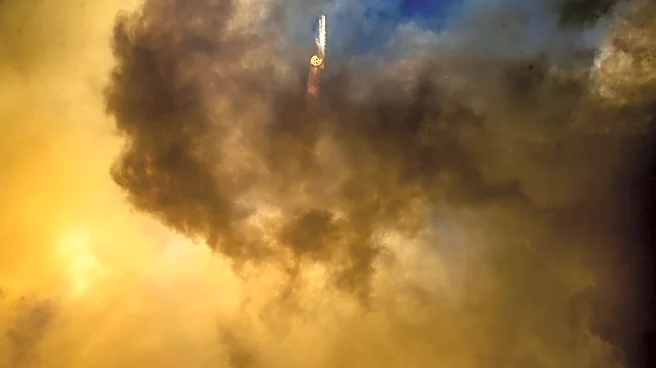
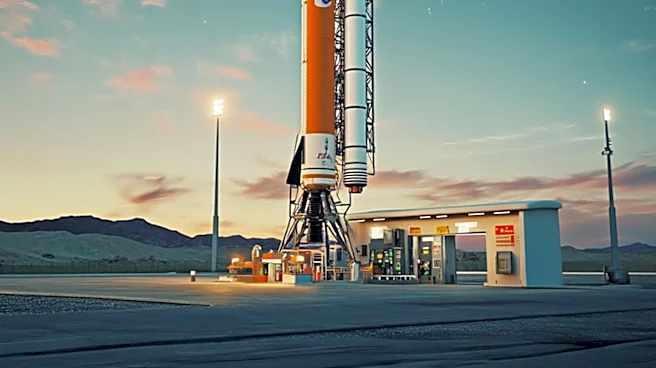
larger than the Hubble Space Telescope. It is designed to conduct extensive surveys of the cosmos, capturing large-scale cosmic events and phenomena. The telescope will be launched with 290 gallons of hydrazine fuel, which it will use to navigate to the Sun-Earth Lagrange point 2, approximately one million miles from Earth. The launch is scheduled for August 30, nine months ahead of the original timeline.
Why It's Important?
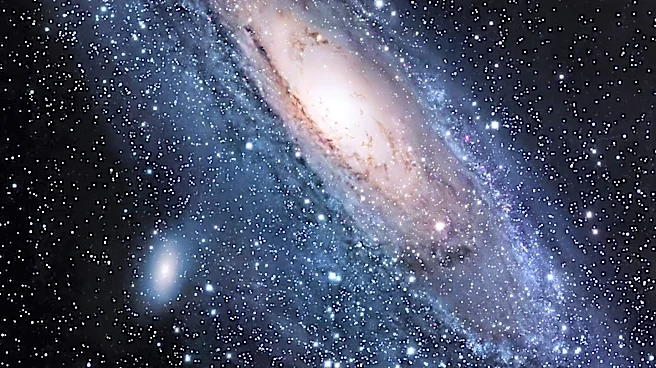
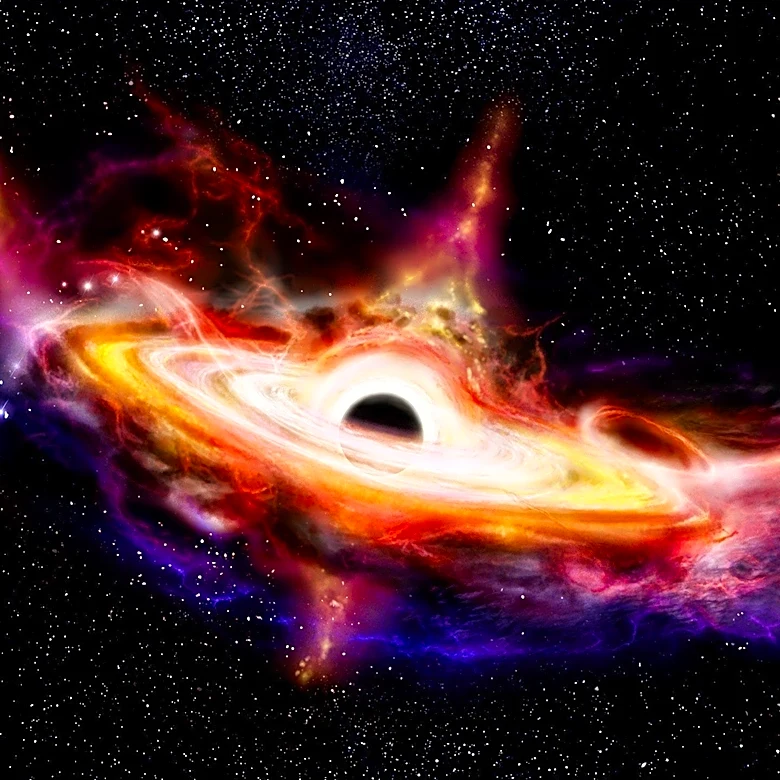
The Nancy Grace Roman Space Telescope represents a significant advancement in astronomical research, with its ability to capture wide-field images of the universe. This mission will enhance our understanding of dark matter and dark energy, which are fundamental components of the universe's structure. The telescope's capabilities will also aid in the search for exoplanets, potentially identifying new worlds that could harbor life. The successful deployment of this telescope will solidify NASA's position at the forefront of space exploration and scientific discovery.
What's Next?
Following its launch, the Roman Space Telescope will begin its journey to the Lagrange point, where it will start its scientific observations. The data collected will be transmitted back to Earth, providing researchers with unprecedented insights into the universe. The mission's success could lead to further investments in space-based observatories and inspire future generations of astronomers and scientists.