
What's Happening?
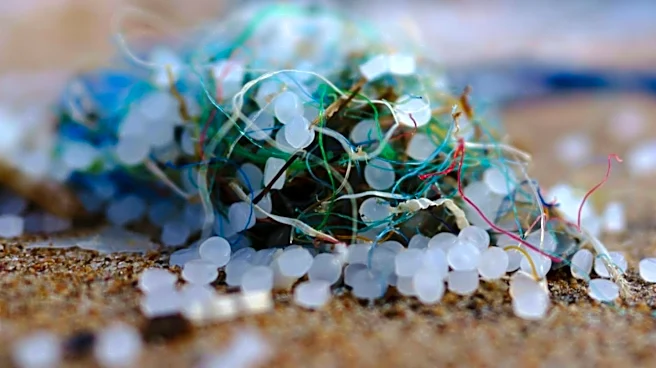
The Environmental Protection Agency (EPA) is under pressure from over 200 organizations and health professionals to include microplastics in its proposed new standards for monitoring drinking water. Despite
the growing concern over microplastics as a public health issue, the EPA has not yet validated a method for testing these particles in water. California has taken the lead by implementing a state law requiring certain water providers to test for microplastics, setting a precedent for potential federal action.
Why It's Important?
The inclusion of microplastics in water safety testing is critical as research indicates that these particles pose potential health risks to humans. The push for federal regulation reflects a broader concern about environmental pollutants and their impact on public health. If the EPA adopts these measures, it could lead to stricter water quality standards and increased public awareness about the sources and effects of microplastics. This could also drive innovation in water treatment technologies and influence policy decisions at both state and national levels.
What's Next?
As the EPA continues to evaluate the feasibility of testing for microplastics, stakeholders such as state governments, environmental groups, and public health advocates are likely to increase their advocacy efforts. The development of standardized testing methods will be crucial for any future regulatory action. Meanwhile, states like California may continue to expand their testing programs, potentially serving as models for other regions. The outcome of these efforts could significantly shape the future of water quality management in the U.S.