







What's Happening?
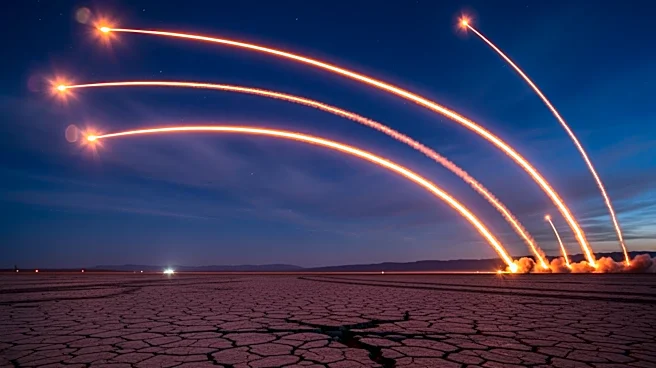
The United States has advised Israel to delay any military response to a recent Iranian missile attack, as diplomatic talks continue over a potential agreement with Iran. The U.S. has suggested waiting a few days to see if the negotiations yield a deal,
emphasizing the importance of maintaining regional stability. Israel is currently debating its response, considering both the need to address the missile attack and the potential impact on its deterrence capabilities. The situation is reminiscent of the 1991 Gulf War, when Israel refrained from retaliating against Iraq under U.S. pressure to preserve a coalition.
Why It's Important?
The U.S. advice to Israel reflects the delicate balance of diplomacy and military strategy in the Middle East. The ongoing negotiations with Iran are crucial for regional security and could influence future U.S.-Iran relations. Israel's response to the missile attack will have implications for its security posture and its relationship with the U.S. and other regional allies. The situation underscores the complexities of Middle Eastern geopolitics, where military actions and diplomatic efforts are closely intertwined.
What's Next?
Israel faces a strategic decision on whether to act immediately or wait for the outcome of the negotiations. The potential for a covert response is also being considered. The outcome of the talks with Iran will likely influence Israel's actions and the broader regional dynamics. The international community will be closely monitoring the situation, as any escalation could have significant implications for Middle Eastern stability and global security.