
What's Happening?
Researchers at Toronto's Sinai Health have discovered that semaglutide, a drug mimicking the gut hormone GLP-1, can improve liver function in mice independently of weight loss. This challenges previous
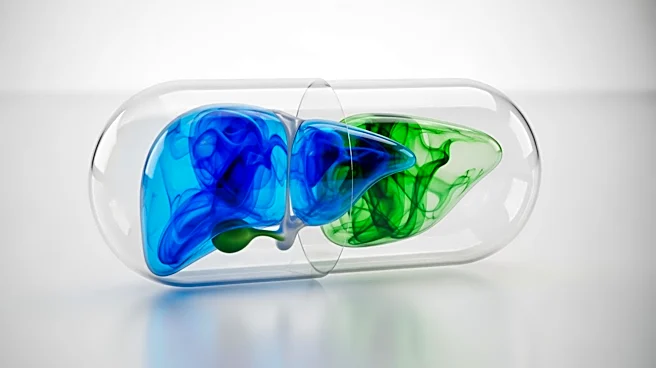
assumptions about GLP-1 medicines, which were thought to benefit the liver primarily through weight reduction. The study, led by Dr. Daniel Drucker, found that semaglutide acts directly on liver cells, reducing inflammation and scarring. The findings, published in Cell Metabolism, suggest that semaglutide's benefits extend beyond glycemic control and weight loss, potentially influencing treatment approaches for metabolic liver diseases like MASH.
Why It's Important?
The discovery that semaglutide can improve liver health without weight loss could significantly impact the treatment of metabolic liver diseases. This finding may lead to changes in how physicians prescribe GLP-1 medicines, potentially allowing for lower doses that avoid side effects associated with higher doses needed for weight loss. This could also reduce costs for patients. The study highlights the importance of understanding the mechanisms of GLP-1 action, which could lead to broader applications of these drugs beyond diabetes and obesity management.
What's Next?
The study's findings may prompt further research into the mechanisms of GLP-1 drugs and their potential applications in treating liver diseases. Physicians might begin to consider prescribing semaglutide for liver health benefits, even in patients who do not experience significant weight loss. This could lead to a reevaluation of treatment protocols for metabolic liver diseases, potentially improving patient outcomes and expanding the therapeutic use of GLP-1 medicines.