
What's Happening?
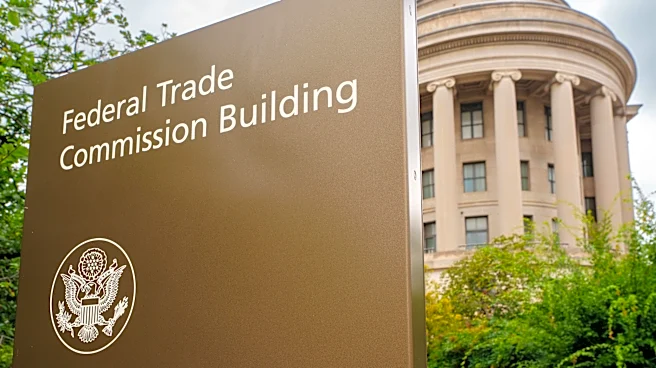
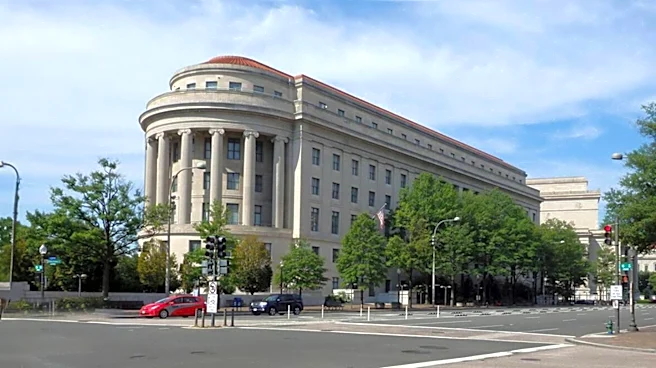
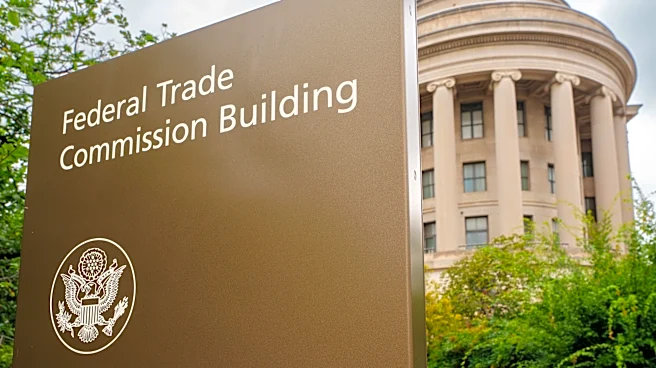
The Federal Trade Commission (FTC) has issued a warning regarding the prevalence of work-from-home scams, noting that while legitimate remote jobs are abundant, scammers frequently target individuals seeking
such employment. According to the Bureau of Labor Statistics, 21.9% of employed Americans teleworked at least some of the time in September 2026. The FTC emphasizes a key rule to identify scams: legitimate employers pay their workers, rather than requiring workers to pay them. The agency has outlined several red flags associated with these scams, including promises of high income for minimal effort, pitches to 'be your own boss,' requests for payment for starter kits or training, and the receipt of checks that require a portion to be sent back. Other warning signs include early requests for personal data like Social Security numbers before an interview, communication from recruiters using personal email addresses or messaging apps, and job offers made too quickly with pressure to accept immediately. The FTC also highlights 'task scams,' where individuals are asked to deposit their own money, often in cryptocurrency, to 'unlock' earnings.
Why It's Important?
This warning from the FTC is crucial for protecting American consumers from financial exploitation and identity theft. The rise in remote work opportunities has unfortunately created a fertile ground for scammers, making it difficult for job seekers to distinguish between legitimate offers and fraudulent schemes. The financial impact on victims can be significant, ranging from lost money due to upfront fees or bounced checks to the compromise of personal information that can lead to identity theft. By educating the public on common scam tactics, the FTC aims to reduce the number of individuals who fall victim to these schemes. This initiative also underscores the broader challenge of consumer protection in an increasingly digital and remote-work-oriented economy, where traditional safeguards may be less effective. The FTC's guidance empowers individuals to make informed decisions and recognize deceptive practices, thereby safeguarding their financial well-being and personal security.
What's Next?
Individuals who encounter suspicious work-from-home offers are advised by the FTC to report them immediately. Fake job offers should be reported to the FTC at ReportFraud.ftc.gov and to the platform where the posting was seen. If personal or financial information has been disclosed, victims should visit IdentityTheft.gov to report the incident and receive a recovery plan. In cases where money has been sent, victims are urged to contact their bank or payment service provider at once to attempt to reverse the transaction. The FTC's ongoing efforts will likely continue to involve public awareness campaigns and investigations into fraudulent operations. Job seekers should remain vigilant, verify job offers through official company channels, and avoid any requests for payment or sensitive personal information before a formal hiring process is complete. The agency will likely monitor emerging scam trends, such as those involving cryptocurrency, to adapt its guidance and enforcement strategies.
Beyond the Headlines
The proliferation of work-from-home scams reflects a broader societal vulnerability to online fraud, exacerbated by economic pressures and the widespread adoption of remote work. Beyond the immediate financial losses, these scams can erode trust in legitimate remote employment opportunities and create significant emotional distress for victims. The FTC's warnings highlight the need for continuous digital literacy education, as scammers constantly evolve their methods. The use of personal email accounts and messaging apps by fraudsters also points to the importance of verifying professional communications. This situation underscores the ethical responsibility of job platforms to vet postings more rigorously and the legal challenges in prosecuting perpetrators who often operate across jurisdictions. The long-term implication is a growing need for robust cybersecurity measures and consumer protection frameworks that can adapt to the dynamic landscape of online fraud, ensuring that the benefits of remote work are not overshadowed by its risks.