





What's Happening?
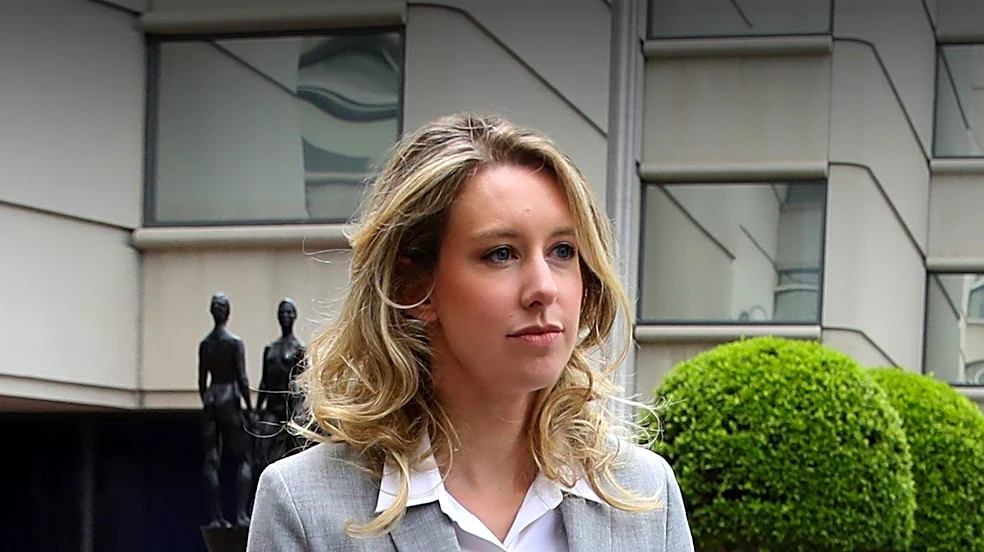
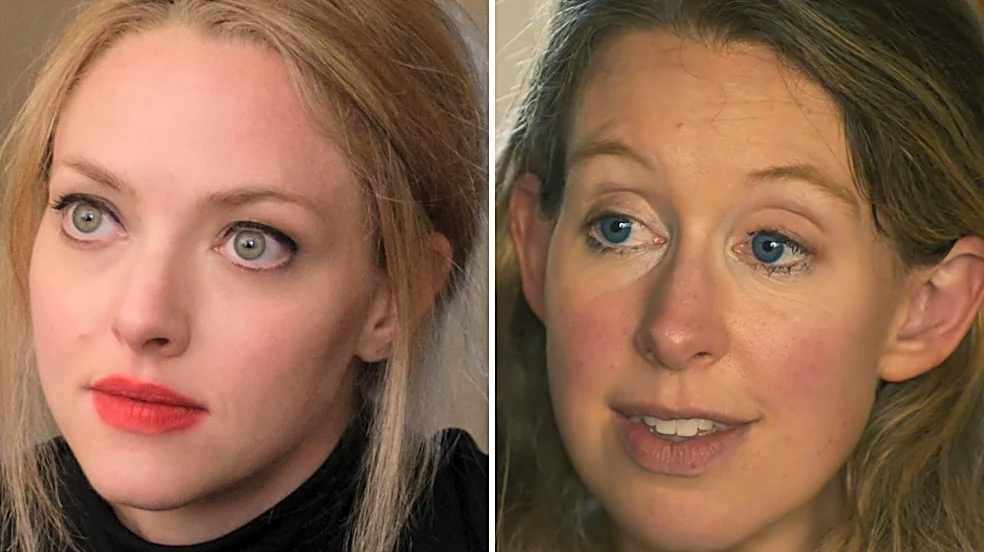
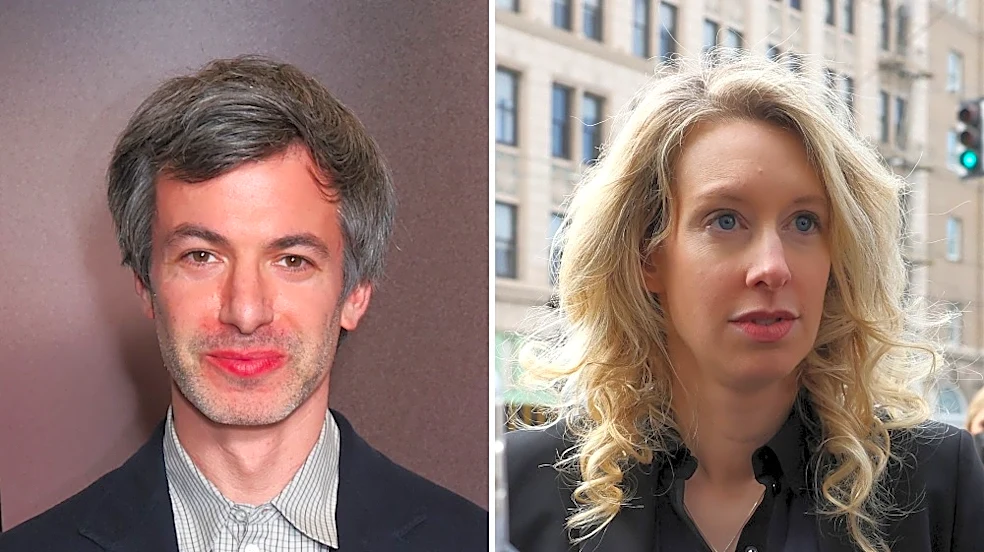
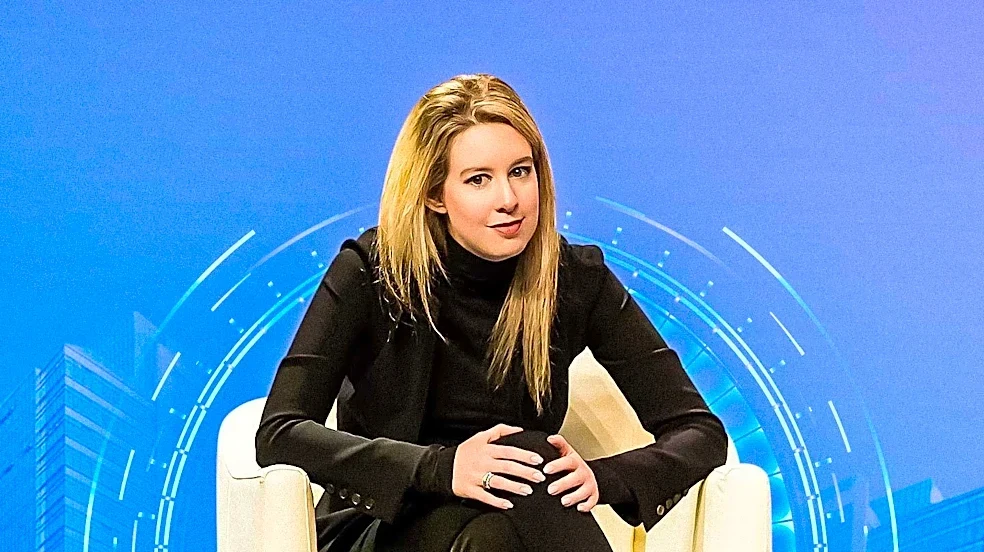
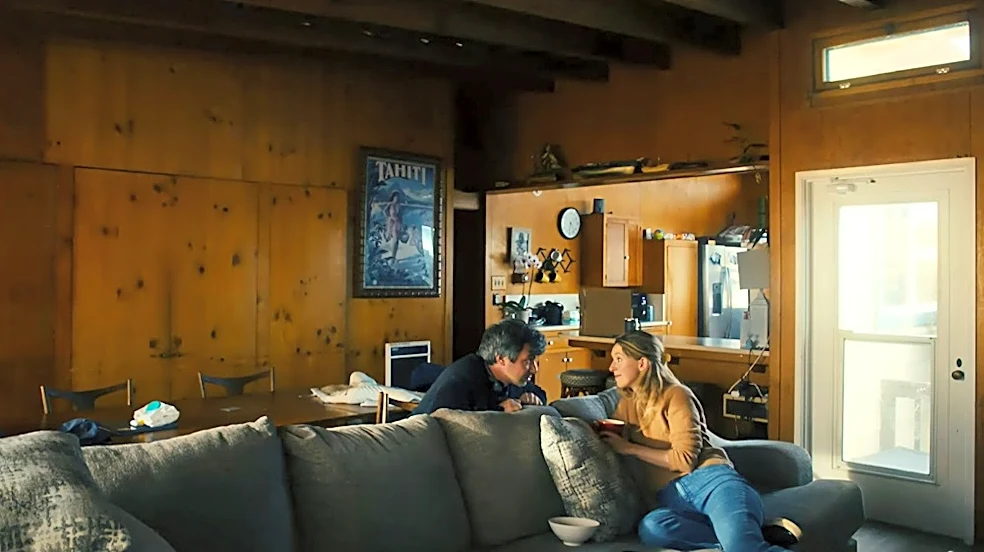
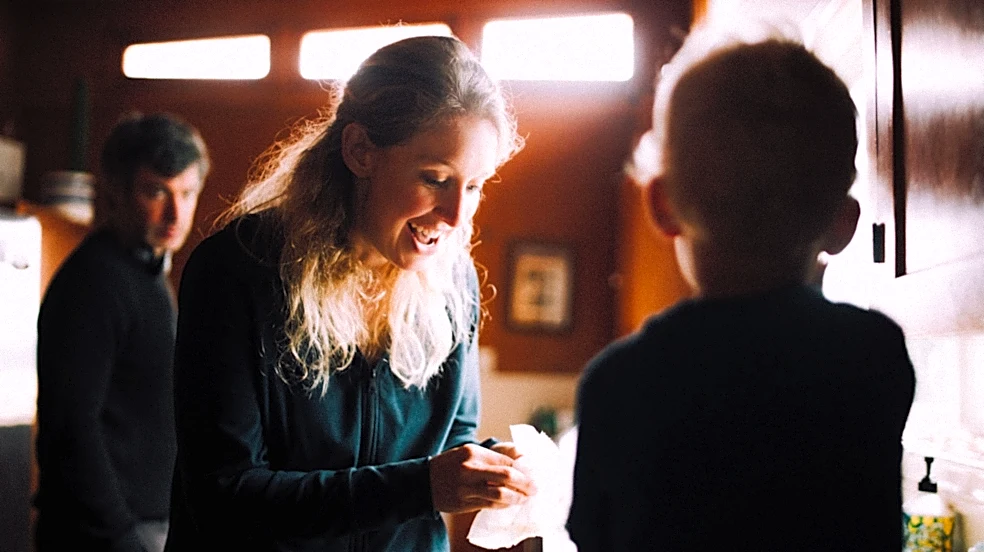
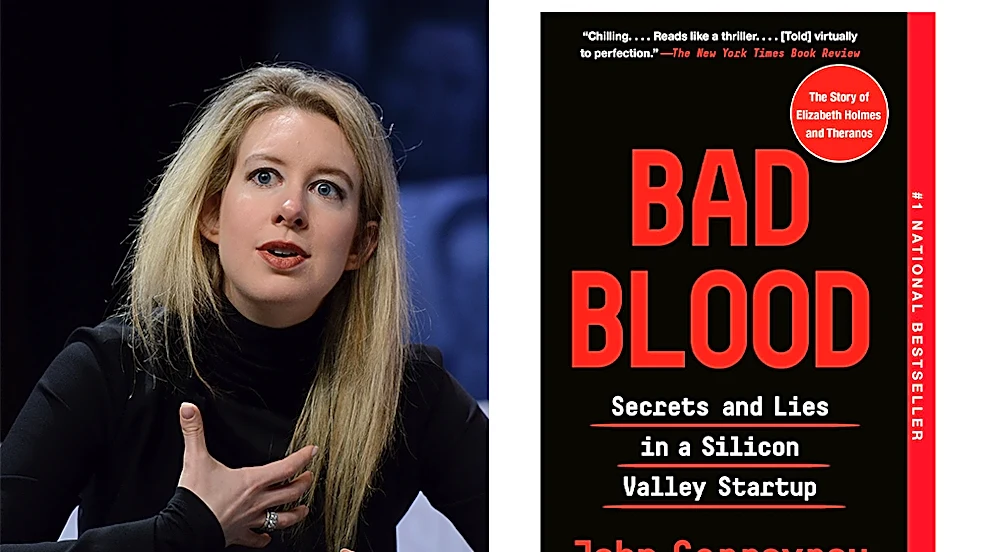
Elizabeth Holmes, the founder of Theranos, allowed filmmakers Nathan Fielder and Lance Oppenheim to document her life in the weeks leading up to her prison sentence for defrauding investors. The documentary, titled 'You Can See Everything,' features Holmes, her partner
Billy Evans, and their two young children. Evans stated that the intention behind granting access was to provide 'radical transparency' and allow people to see who Holmes truly is. However, the film raises questions about the authenticity of Holmes's portrayal, with Fielder directly asking her if she was 'being real.' Holmes maintained that she is 'always being real' and has 'nothing to hide.' The documentary also hints at the couple working on 'Theranos 2.0,' suggesting a potential future venture.
Why It's Important?
This documentary is significant as it offers a rare glimpse into the life of a high-profile convicted fraudster before incarceration, potentially influencing public perception of Holmes and the Theranos scandal. The decision by Holmes to participate in such a project, despite facing a prison sentence, highlights the complex relationship between public figures, media, and narrative control. It could be seen as an attempt to shape her image or even lay the groundwork for a future comeback, as suggested by the mention of 'Theranos 2.0.' For the public, it provides a unique perspective on the personal impact of corporate fraud and the psychological aspects of individuals facing severe legal consequences. The film's exploration of authenticity versus manufactured persona also contributes to broader discussions about media representation and the motivations behind subjects participating in documentaries.
What's Next?
Following the release of 'You Can See Everything,' public and media reactions will likely scrutinize Holmes's portrayal and her claims of authenticity. The documentary could reignite discussions about the Theranos case, corporate accountability, and the ethics of documentary filmmaking. There may be increased public interest in the concept of 'Theranos 2.0' and whether Holmes or Evans will attempt to launch a new venture after her release from prison. The film's impact on Holmes's public image and any potential future endeavors remains to be seen. It could also prompt further analysis of how disgraced public figures attempt to manage their narratives and seek redemption or understanding through media platforms.
Beyond the Headlines
The documentary delves into the deeper psychological and ethical dimensions of public disgrace and the human desire for narrative control. It raises questions about why individuals like Holmes, facing severe consequences, choose to invite intense media scrutiny. This phenomenon has been observed in other cases, such as Anthony Weiner's mayoral bid or Lance Armstrong's doping scandal, where subjects often lose control of their intended narrative. The film implicitly explores the power dynamics between filmmaker and subject, and how a subject's attempt at 'radical transparency' can be perceived as either genuine or a calculated manipulation. It also touches on the broader cultural fascination with the downfall of prominent figures and the public's desire to understand the motivations behind their actions, even when those actions have led to significant harm.