



What's Happening?
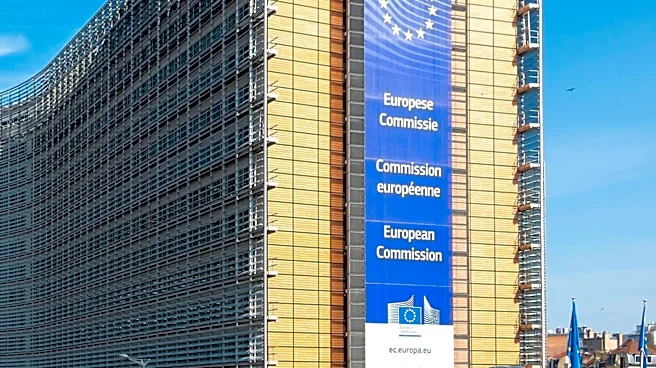
The European Commission has adopted its 2027 Work Programme, detailing legislative and policy priorities for the upcoming year. The program emphasizes competitiveness, industrial resilience, and regulatory simplification, with several initiatives directly
impacting the construction and sustainable built environment sectors. Key initiatives include a Digital Transformation Package in Q2 2027, addressing digitalization and innovation, and a Skills Guarantee in Q3 2027, aimed at upskilling and reskilling to tackle labor shortages in construction. Additionally, a European Water Initiative and European Heatwave Plan are scheduled for Q2 2027, focusing on sustainable water management and preparedness for extreme heat, which will influence climate-resilient buildings and worker safety. Other initiatives include permitting acceleration, a post-2030 energy framework, a Housing Simplification Package, and Single Market initiatives to prevent fragmentation and remove cross-border barriers.
Why It's Important?
This comprehensive work program is significant for the European construction sector, as it directly addresses long-standing challenges and future-proofing efforts. The Skills Guarantee, for instance, aims to mitigate persistent labor and skills shortages, which have hampered growth and efficiency in the industry. The European Water Initiative and European Heatwave Plan underscore the increasing importance of climate resilience in building design and urban planning, reflecting a broader societal shift towards sustainability and adaptation to environmental changes. The Digital Transformation Package is crucial for modernizing the sector, fostering innovation, and improving efficiency through technology adoption. Furthermore, initiatives like permitting acceleration and the Housing Simplification Package are designed to reduce administrative burdens, potentially streamlining development processes and making housing more accessible and affordable across the EU. These measures collectively aim to enhance the sector's competitiveness and resilience in a rapidly evolving economic and environmental landscape.
What's Next?
The implementation of these initiatives will unfold throughout 2027, with specific packages and plans scheduled for various quarters. The Digital Transformation Package and the European Water Initiative and European Heatwave Plan are expected in Q2 2027. The Skills Guarantee and permitting acceleration initiatives are slated for Q3 2027. The post-2030 energy framework is anticipated in Q1 2027, followed by the Housing Simplification Package in Q2 2027 and Single Market initiatives in Q3 2027. These timelines suggest a phased approach to regulatory and policy changes, allowing stakeholders in the construction sector to prepare for and adapt to the new requirements and opportunities. The success of these initiatives will depend on effective collaboration between the European Commission, national governments, and industry players to ensure smooth implementation and achieve the desired outcomes of competitiveness, resilience, and sustainability.
Beyond the Headlines
The European Commission's 2027 Work Programme reflects a deeper strategic shift towards integrating environmental sustainability and digital transformation into core economic sectors. The emphasis on climate-resilient buildings and urban adaptation through the European Heatwave Plan highlights a growing recognition of climate change's direct impact on infrastructure and public health. This also signals a potential for increased investment in green technologies and sustainable construction practices. The focus on regulatory simplification and addressing market fragmentation suggests an effort to create a more cohesive and efficient single market, which could attract further investment and foster innovation. Ethically, the Skills Guarantee addresses social equity by promoting upskilling and reskilling, ensuring that the workforce can adapt to new demands and benefit from economic growth. This holistic approach aims not only to boost economic performance but also to build a more resilient, sustainable, and socially responsible European Union.