



What's Happening?
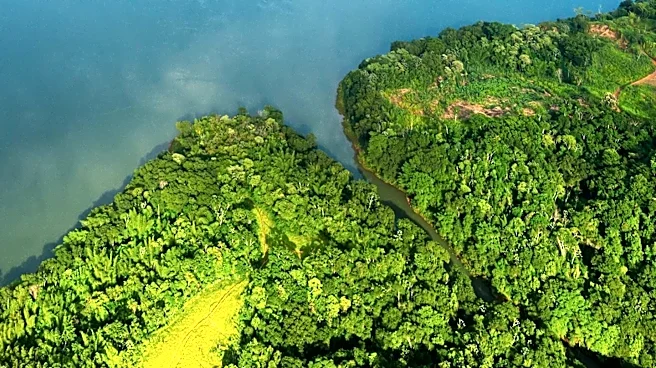
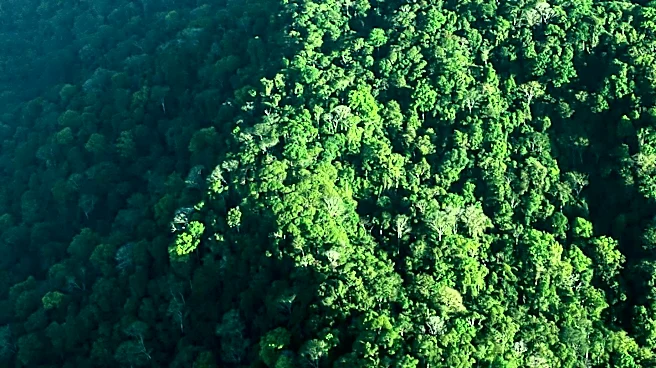
A super-sized El Niño weather pattern in the Pacific Ocean is projected to cause a devastating drought in the Amazon rainforest. Scientists are monitoring the current El Niño's development, stating it is set to be the most intense in modern history. Ocean temperatures
in the Pacific are already well above normal and continue to rise, prompting warnings of extreme impacts. Adam Scaife of the Met Office indicates that strong El Niños concentrate heat near the South American coast, leading to more intense impacts like Amazon drought. Forecasts from the Met Office show a 'terribly dangerous rainfall anomaly' developing over the Amazon by January, accompanied by hotter air temperatures. Tim Li at the University of Hawaii believes the Amazon is poised for its most extreme El Niño-induced drought on record, noting that rainfall over the Amazon during June, July, and August was already well below average, even in the early stages of El Niño. This rainfall pattern is expected to intensify in the coming months, creating a vicious cycle where less rainfall leads to less evaporation and even warmer temperatures.
Why It's Important?
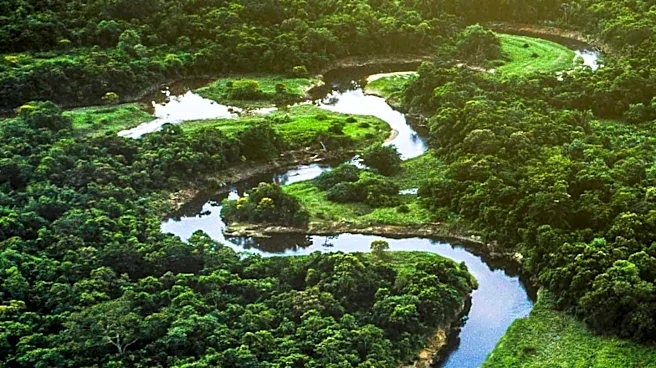
The Amazon rainforest is a critical global carbon sink, playing a vital role in removing carbon dioxide from the atmosphere, and is a significant biodiversity hotspot. A severe drought in this region has dire consequences for wildlife and the planet. An extreme Amazon drought during the 2015-16 El Niño event fueled massive wildfires, destroying approximately 2.5 billion trees and plants and releasing 495 million tonnes of CO2. Repeated and increasingly severe droughts are pushing the Amazon towards a climate tipping point, where the rainforest ecosystem could collapse and be replaced by savannah. This transformation would have profound implications for global climate regulation, biodiversity, and the livelihoods of indigenous communities. The intensification of El Niño and its projected impact on the Amazon underscore the escalating risks of climate change and the urgent need for global efforts to mitigate its effects and support adaptation strategies in vulnerable ecosystems.
What's Next?
The current El Niño is expected to intensify further, with forecasts indicating a 'terribly dangerous rainfall anomaly' and hotter air temperatures in the Amazon by January. This will likely lead to an increased risk of massive wildfires and further stress on the rainforest ecosystem. Scientists will continue to monitor the El Niño's progression and its specific impacts on rainfall and temperature patterns in the Amazon. The long-term concern is that these repeated severe droughts could accelerate the Amazon's approach to a climate tipping point, potentially leading to irreversible ecological changes. Stakeholders, including governments, environmental organizations, and local communities, will need to prepare for potential humanitarian and ecological crises, including increased fire management efforts and support for affected populations. International cooperation will be crucial in addressing the broader implications of this super El Niño on global climate and biodiversity.
Beyond the Headlines
The impending severe drought in the Amazon, driven by a super El Niño, highlights the interconnectedness of global climate systems and the fragility of critical ecosystems. Beyond the immediate environmental devastation, such events can trigger complex socio-economic challenges, including displacement of communities, food insecurity, and increased health risks due to smoke pollution. The potential collapse of the Amazon rainforest into a savannah ecosystem would represent a monumental loss of biodiversity and a significant setback in the fight against climate change, transforming a carbon sink into a carbon source. This situation also raises ethical questions about human responsibility in exacerbating climate patterns and the equitable distribution of resources for climate adaptation and mitigation. The event serves as a stark reminder of the need for systemic changes in global energy consumption and land use practices to prevent further ecological degradation and protect the planet's vital natural resources.