







What's Happening?
The senior housing sector in the United States is facing a significant shortage, with construction starts hitting an all-time low in early 2025. This decline is attributed to factors such as post-pandemic staffing shortages, high inflation, and rising
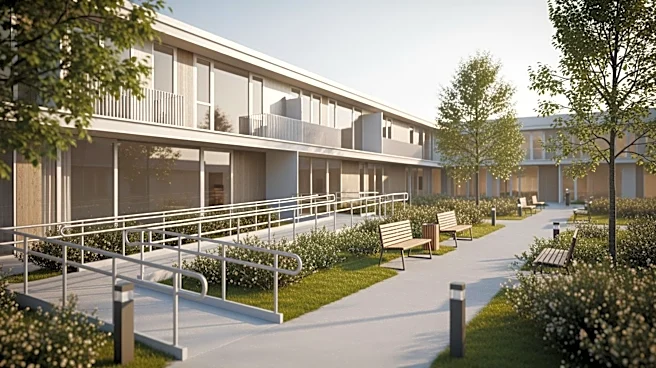
interest rates. In response, developers are exploring new models like active-adult communities, which separate housing from services. These communities cater to baby boomers and older Gen Xers who prioritize health and wellness, offering resort-style amenities in urban locations. Examples include Canvas Valley Forge in Philadelphia and Revelle of King of Prussia, which integrate senior housing with lifestyle-rich districts. Affordable developments like La Mora Senior Apartments in Yonkers and Northaven West in Seattle provide options for seniors to remain in their communities without the high costs of bundled services.
Why It's Important?
The evolving approach to senior housing is crucial as the entire baby boom generation will be 65 or older by 2030, increasing demand for suitable living arrangements. The shortage of senior housing poses challenges for both the real estate market and older adults seeking affordable and convenient living options. Active-adult communities offer a viable solution by providing a lifestyle choice that delays the need for care-based communities. This model supports independence and social engagement, which are important for the well-being of older adults. Additionally, affordable housing developments help address the financial constraints faced by many seniors, ensuring they can continue living in familiar environments.
What's Next?
As the demand for senior housing continues to grow, developers and policymakers will need to focus on creating more active-adult and affordable housing options. This may involve integrating senior housing into mixed-use developments and ensuring access to essential services and amenities. The success of these models will depend on their ability to meet the diverse needs of the aging population while addressing economic and logistical challenges. Stakeholders in the housing industry will likely advocate for policies that support the construction of senior-friendly communities and address the barriers to development.
Beyond the Headlines
The shift towards active-adult communities reflects broader societal changes in how aging is perceived and experienced. These developments emphasize autonomy and lifestyle, challenging traditional notions of senior living. As more seniors opt for these communities, there may be a cultural shift towards viewing aging as an active and engaged phase of life. This could influence future urban planning and community design, promoting inclusivity and accessibility for all age groups.