
What's Happening?
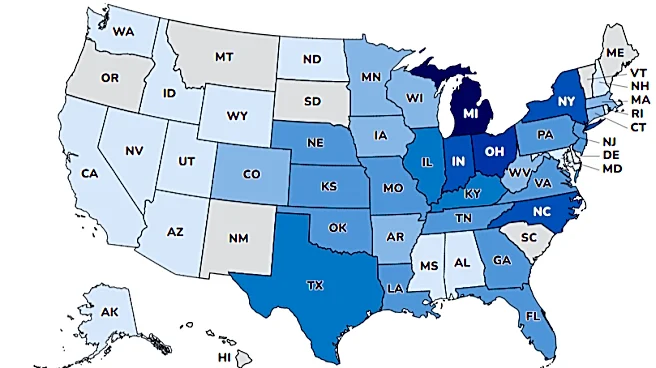
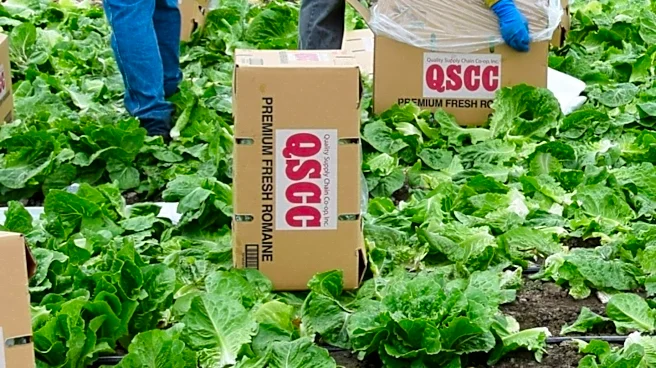
North Carolina is experiencing a significant increase in cases of cyclosporiasis, a parasitic infection causing severe diarrhea, linked to contaminated produce. Since May 1, the state health department
has reported at least 561 cases, nearly doubling the total number of cases from the previous year. This outbreak is causing concern among local restaurants, farmers, and food-related businesses, as they navigate the challenges of ensuring food safety and maintaining consumer confidence. The Charlotte Ledger highlights this as a critical moment for the local food industry, emphasizing the need for heightened vigilance and preventive measures.
Why It's Important?
The surge in cyclosporiasis cases poses a substantial public health challenge and has significant implications for North Carolina's food industry. Restaurants and farmers are under pressure to implement stricter safety protocols to prevent further spread of the parasite. This situation could lead to increased operational costs and potential financial losses if consumer confidence declines. Additionally, the outbreak underscores the importance of robust food safety regulations and monitoring systems to protect public health and support the agricultural sector. The response to this outbreak will be crucial in determining the long-term impact on the state's economy and public health infrastructure.
What's Next?
In response to the outbreak, state health officials are likely to intensify their efforts to trace the source of contamination and implement measures to prevent further cases. Restaurants and food suppliers may need to enhance their food safety practices, including more rigorous inspections and employee training. Public health campaigns could be launched to educate consumers about the risks and symptoms of cyclosporiasis, encouraging them to seek medical attention if needed. The situation may also prompt discussions on improving food safety standards and regulations at both state and national levels.