




What's Happening?
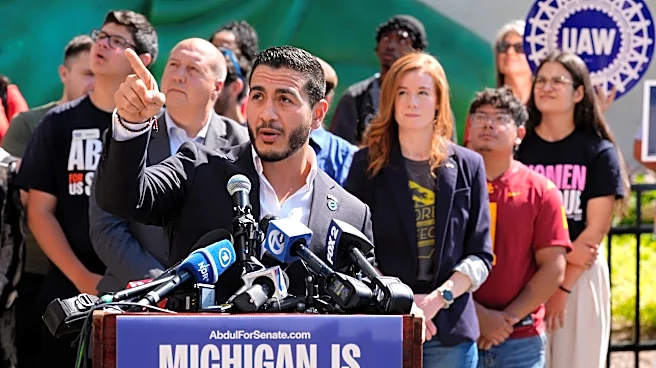
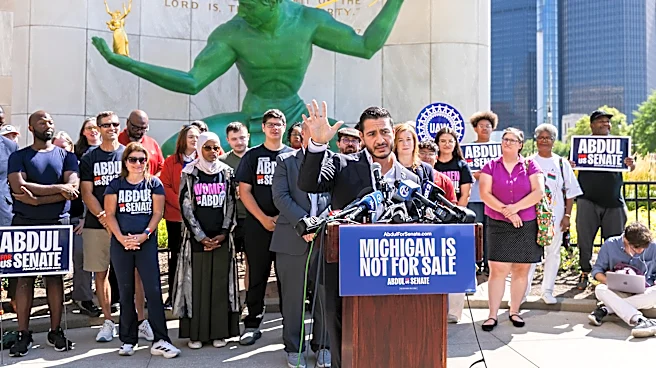
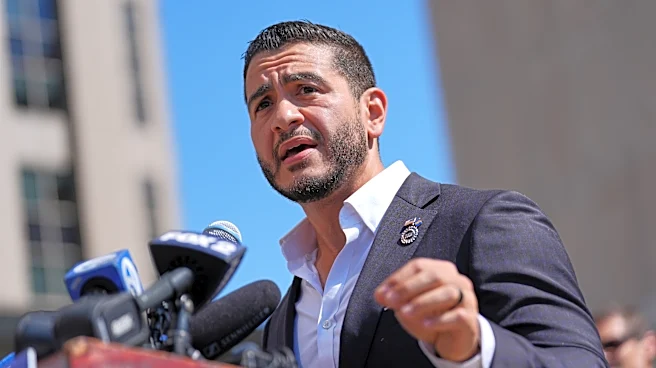
In the Michigan Senate race, former candidate Abdul El-Sayed was falsely accused of making controversial comments about the 9/11 attacks. The claim, which was circulated by political opponents, suggested that El-Sayed had expressed sentiments that the U.S.
deserved the attacks. This misinformation was debunked by fact-checkers, who clarified that the comments were actually made by a Twitch streamer and not by El-Sayed. The false attribution highlights the challenges of misinformation in political campaigns, where statements can be taken out of context or misattributed to influence public perception.
Why It's Important?
The spread of misinformation in political campaigns can have significant implications for candidates and voters alike. False claims can damage reputations, mislead the electorate, and undermine the democratic process. In the case of Abdul El-Sayed, the false attribution of controversial comments could have affected his political standing and voter trust. This incident underscores the importance of fact-checking and media literacy in ensuring that voters have access to accurate information. It also highlights the need for accountability in political discourse, where the spread of false information can have real-world consequences.