




What's Happening?
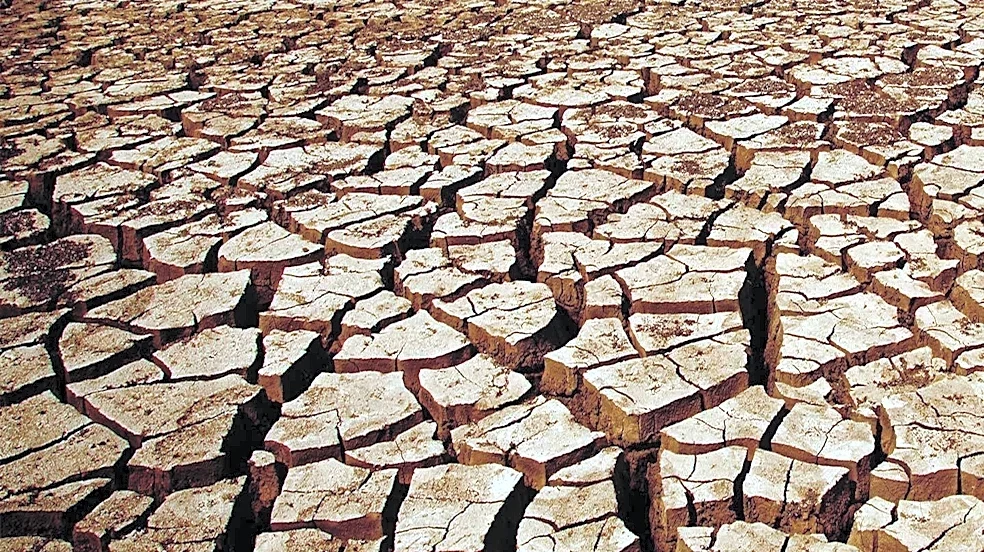
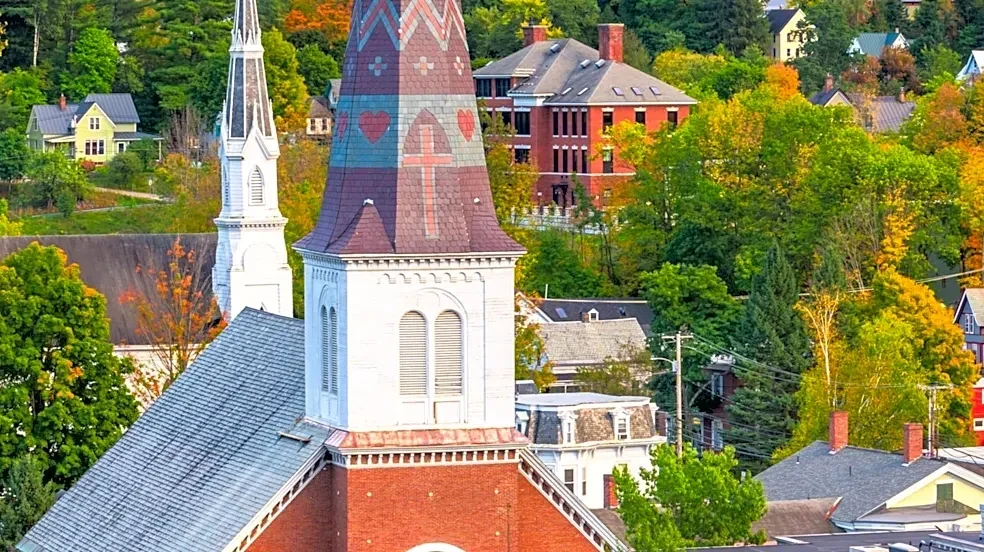
Drought conditions across Vermont have shown significant improvement, with moderate drought now covering 14% of the state, a substantial decrease from 42% just one week prior. Neighboring New Hampshire also saw improvements, with moderate drought reducing
from 53% to 33%. These improvements are most noticeable in the Champlain Valley, northern New York, Vermont, and parts of New Hampshire. While some areas have moved out of drought status, others remain abnormally dry or in moderate drought. Maine, however, continues to face severe to extreme drought conditions, with some areas experiencing exceptional drought. The current stretch of sunny weather is expected to slow immediate further improvements in soil moisture and water supplies, as little meaningful precipitation is anticipated in the short term. Despite this, the progress made is significant, and a broader, more encouraging outlook is on the horizon.
Why It's Important?
The improvement in drought conditions is crucial for Vermont's agricultural sector, water resources, and overall ecosystem health. Reduced drought stress can lead to better crop yields, healthier forests, and replenished water tables, benefiting farmers, local communities, and wildlife. The continued dry weather, however, highlights the vulnerability of these improvements to short-term weather patterns, emphasizing the need for long-term water management strategies. For residents, improved drought conditions can mean fewer water restrictions and a reduced risk of wildfires. The disparity in drought severity between Vermont and Maine also underscores the regional variations in climate impacts and the need for tailored responses. The broader outlook, anticipating a wetter winter due to a strong El Niño, offers hope for sustained relief, which is vital for the region's economic and environmental stability.
What's Next?
While the current sunny weather may temporarily slow further drought improvement, the long-term forecast offers a more optimistic outlook. A strong El Niño is expected this winter, which typically brings wetter conditions to much of the Northeast. This pattern is anticipated to provide sufficient precipitation opportunities for continued drought relief, eventually leading to the elimination of drought conditions across most of the viewing area. This relief may not be immediate or uniform, but the seasonal setup favors steady improvement throughout the winter months. Maine, despite the general trend, is expected to see improvements in its severe and extreme drought conditions, though complete elimination of drought across the state may take considerably longer due to the current severity. Residents can stay updated on the latest drought conditions through local weather channels and mobile weather applications.
Beyond the Headlines
The fluctuating drought conditions in Vermont and the broader Northeast highlight the increasing impact of climate variability on regional environments and economies. While a wetter winter due to El Niño offers a reprieve, it also underscores the importance of understanding and adapting to changing weather patterns. The contrast between Vermont's improving conditions and Maine's persistent severe drought illustrates the localized nature of climate impacts, necessitating diverse and flexible approaches to water resource management. This situation could prompt further discussions on climate resilience, sustainable agricultural practices, and regional cooperation in addressing environmental challenges. The long-term implications extend to infrastructure planning, disaster preparedness, and the economic stability of communities reliant on natural resources, emphasizing the need for proactive measures beyond seasonal forecasts.