




What's Happening?
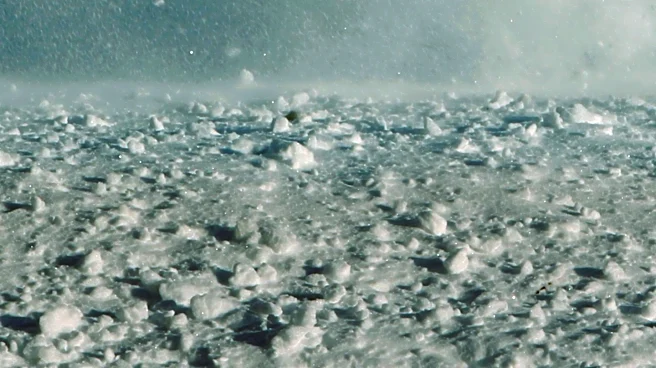
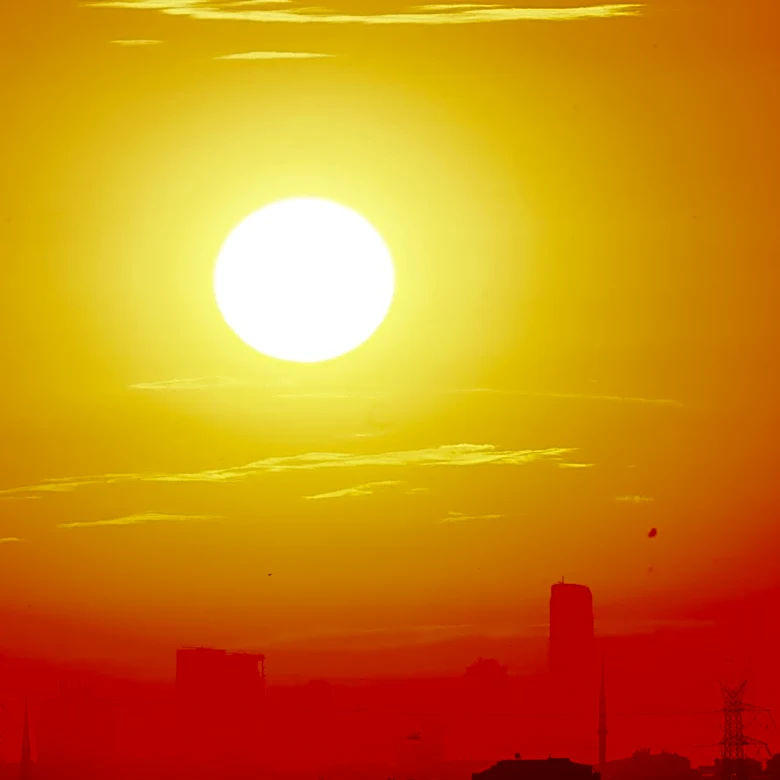
A stark weather contrast is unfolding across the United States as winter storm warnings have been issued in parts of Montana and Idaho, while a heat dome is expected to impact 30 central and eastern states. The National Weather Service has warned of heavy,
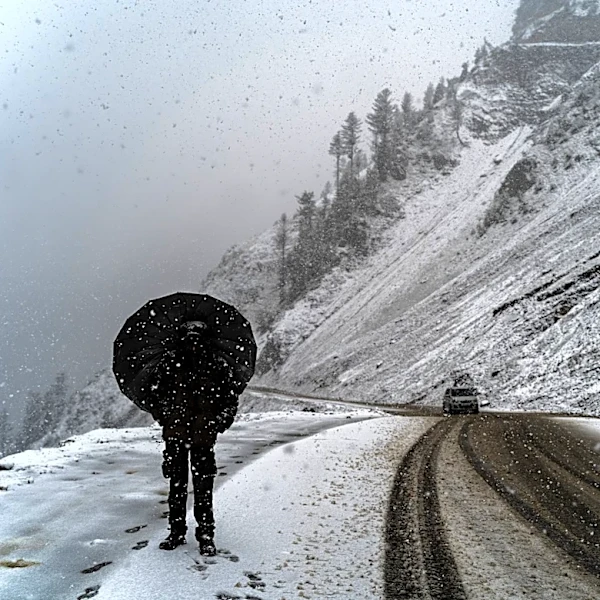
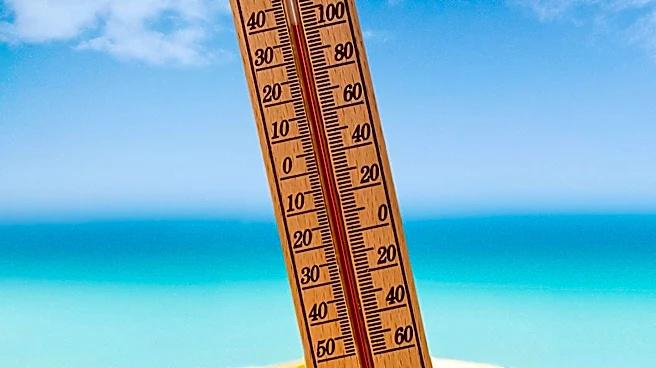
wet snow in high-elevation areas of Montana, with up to 16 inches expected in some regions. Meanwhile, a heat dome is set to push temperatures into the 90s and low 100s across the Midwest, Southeast, and Northeast, with dangerous heat indices exceeding 100 degrees Fahrenheit. This weather pattern is expected to persist through the July 4 weekend, raising concerns about heat-related illnesses and travel disruptions.
Why It's Important?
The simultaneous occurrence of winter weather in the West and extreme heat in the East highlights the complex and unpredictable nature of weather patterns. The heat dome poses significant health risks, particularly for vulnerable populations, and could strain infrastructure due to increased demand for cooling. The winter weather warnings in Montana and Idaho could lead to hazardous travel conditions and increased risks for outdoor activities. This weather phenomenon, sometimes referred to as 'weather whiplash,' underscores the challenges of preparing for and responding to extreme weather events, which can have widespread impacts on public safety and infrastructure.
What's Next?
As the heat dome continues to expand, residents in affected areas are advised to take precautions against heat-related illnesses by staying hydrated and limiting outdoor activities. Emergency services and local governments may need to implement measures to support vulnerable populations and manage increased demand on power grids. In Montana and Idaho, authorities are urging caution for those traveling in high-elevation areas and advising against backcountry travel due to the risk of snow-covered trails and fallen trees. The persistence of these weather extremes may prompt further discussions on climate resilience and the need for adaptive strategies to mitigate the impacts of such events.