






What's Happening?
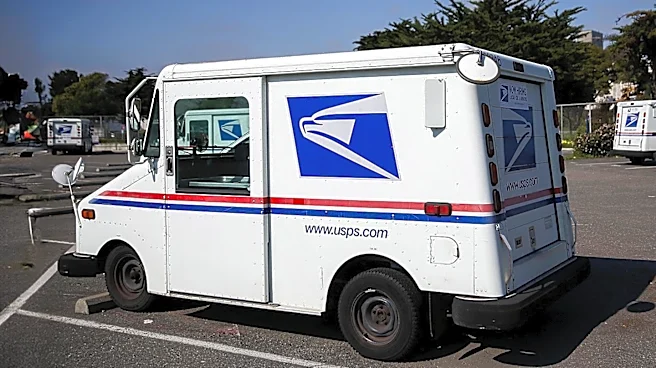
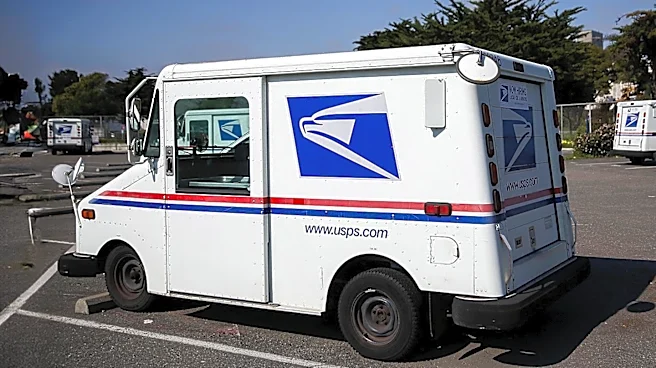
The United States Postal Service (USPS) has reported a $2.5 billion net loss for the fiscal third quarter, marking a $562 million improvement from the previous year. Despite this progress, the USPS continues to face significant financial challenges, driven
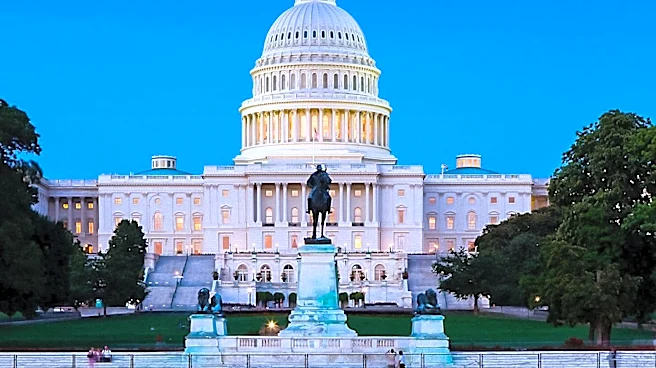
by declining first-class mail volumes and a Congressionally mandated business model. Postmaster General David Steiner has called for legislative and administrative reforms to address these issues, warning that without Congressional action, the USPS may need to close thousands of unprofitable post offices and raise prices. The agency has also requested an increase in the statutory debt limit and modifications to pension funding rules to alleviate its financial burden.
Why It's Important?
The USPS's financial instability poses a threat to its ability to provide universal service, particularly in rural and underserved communities. The potential closure of post offices and increased postal rates could have significant economic and social impacts. The USPS's situation highlights the need for legislative reform to ensure its long-term financial sustainability. The agency's challenges are compounded by a business model that limits its operational flexibility, making it difficult to adapt to changing market conditions. Without reform, the USPS's ability to serve the American public could be compromised.
What's Next?
The USPS is urging Congress to pass a legislative reform package that includes increased borrowing authority and modifications to pension funding rules. The agency is also seeking approval for a new stamp price increase in January 2027. The USPS Board of Governors is scheduled to meet to review the agency's finances and explore options for stabilizing its long-term viability. The outcome of these discussions and Congressional actions will be critical in determining the future of the USPS and its ability to continue providing essential services.