








What's Happening?
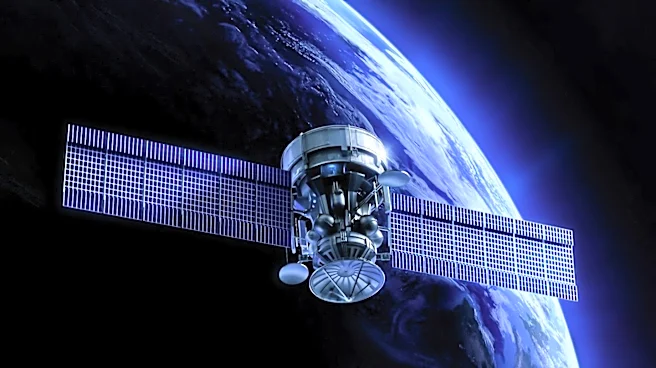
The landscape of satellite intelligence is shifting from a focus on data collection to the speed of data transmission and analysis. This change is driven by the increasing availability of commercial satellite imagery, which is now being used to enhance
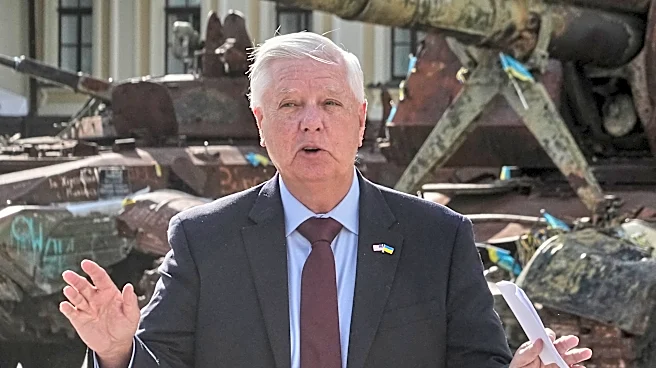
battlefield intelligence, as seen in Ukraine's military operations. The traditional model of prioritizing data collection and verification is being challenged by the need for rapid data processing and action. This shift is prompting governments to rethink their information-gathering strategies, emphasizing the importance of moving data quickly to maintain its value and relevance.
Why It's Important?
The emphasis on speed in satellite intelligence has significant implications for military and defense strategies. Rapid data transmission allows for quicker decision-making and more effective military operations, providing a strategic advantage over adversaries. This shift also impacts the commercial sector, as companies involved in satellite technology are encouraged to invest in faster data processing capabilities. The ability to quickly analyze and act on satellite data is becoming a critical factor in national security, influencing how governments and companies approach technological development and investment.
Beyond the Headlines
The transition to prioritizing speed in satellite intelligence raises ethical and operational questions. Balancing the need for rapid action with the necessity of accurate analysis is a challenge, particularly in situations where quick decisions could have significant consequences. The development of technologies that enhance data transmission speed must also consider security and reliability, as the risk of interference and data breaches increases. This evolution in satellite intelligence reflects broader trends in technology and defense, where speed and efficiency are increasingly valued over traditional methods.