



What's Happening?
Bolivia has declared a nationwide state of emergency to address the severe impacts of the El Niño weather phenomenon. President Rodrigo Paz signed a decree on Saturday, November 1, 2026, to expedite the deployment of resources and rescue teams to areas
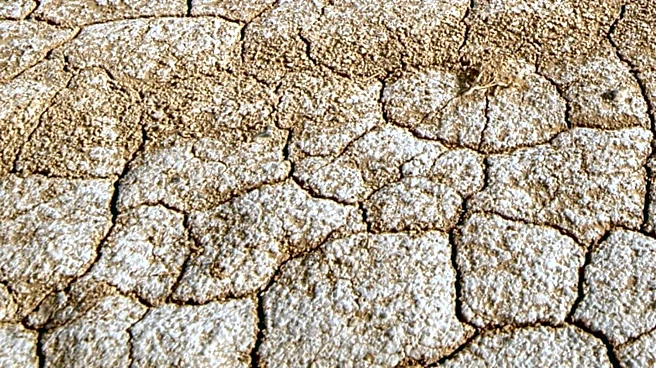
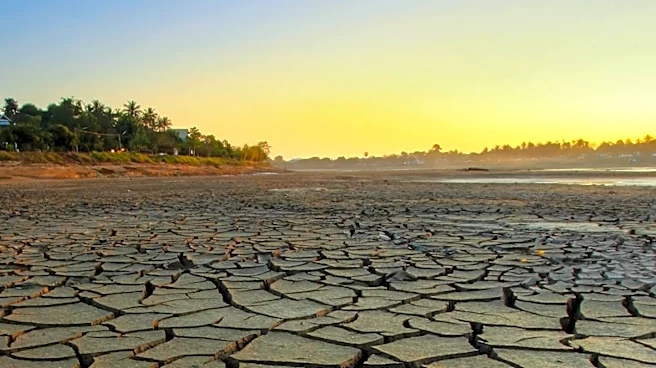
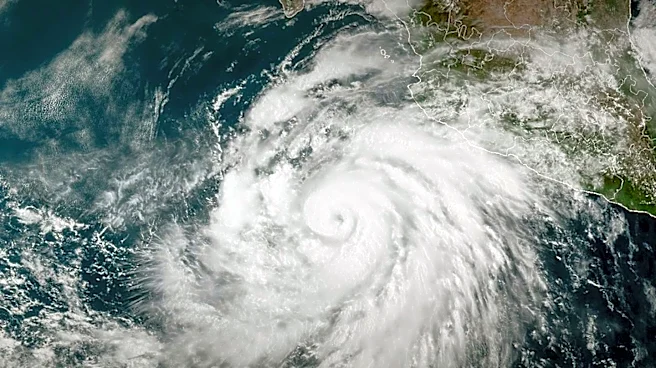
affected by both flooding and drought. The declaration comes as El Niño is expected to cause 'very severe impacts' across the country. Currently, drought is affecting 78,000 families across six of Bolivia's nine departments and has resulted in the loss of over 75,000 cattle. Bolivia is also susceptible to flooding, with previous events, such as those in December 2025 in the Santa Cruz region, causing multiple fatalities. El Niño is a natural climate phenomenon occurring every two to seven years, characterized by warming in the Pacific Ocean that alters global weather patterns. This current cycle is anticipated to be one of the strongest on record, peaking in late 2026 with effects potentially extending into 2027.
Why It's Important?
The declaration of a state of emergency in Bolivia highlights the escalating global impact of extreme weather events, particularly those driven by El Niño. This move allows the Bolivian government to more efficiently allocate resources and coordinate relief efforts, which is crucial for mitigating the humanitarian and economic consequences of widespread drought and flooding. The loss of 75,000 cattle signifies a significant blow to the agricultural sector and food security in affected regions, impacting livelihoods and potentially leading to broader economic instability. The situation in Bolivia also underscores the disproportionate vulnerability of developing nations to climate phenomena, as scientists predict El Niño could cause over 450,000 deaths globally, with the poorest countries bearing the brunt. The regional context, with neighboring Chile experiencing record rainfall and Peru battling wildfires, indicates a broader pattern of climate-induced challenges across South America.
What's Next?
Following the state of emergency declaration, Bolivia will likely see an accelerated deployment of government resources and rescue teams to the most affected areas. This will involve efforts to provide aid to the 78,000 families impacted by drought and to prepare for potential further flooding. The government will also seek cooperation from various institutions to manage the crisis. As El Niño is projected to peak in late 2026 and its effects to continue into 2027, Bolivia will need to sustain its emergency response and implement long-term strategies for climate resilience. The World Meteorological Organization's forecast of a nearly 100 percent likelihood of El Niño continuing through February 2027 suggests that the country will face prolonged challenges, necessitating ongoing international attention and support to address the humanitarian and economic fallout.
Beyond the Headlines
The severe impact of El Niño in Bolivia, leading to a national state of emergency, underscores the critical need for enhanced global climate adaptation and resilience strategies. Beyond immediate relief efforts, the recurring nature and increasing intensity of such climate phenomena highlight systemic vulnerabilities in agricultural practices, infrastructure, and disaster preparedness in many nations. The significant loss of livestock and widespread drought could trigger long-term food insecurity and displacement, potentially exacerbating social and economic inequalities. This situation also brings to the forefront the ethical imperative for developed nations to support developing countries in building resilience against climate change, given their often limited resources and greater exposure to climate risks. The events in Bolivia serve as a stark reminder of the interconnectedness of global climate systems and the urgent need for comprehensive, international cooperation to address the escalating challenges posed by a changing climate.