




What's Happening?
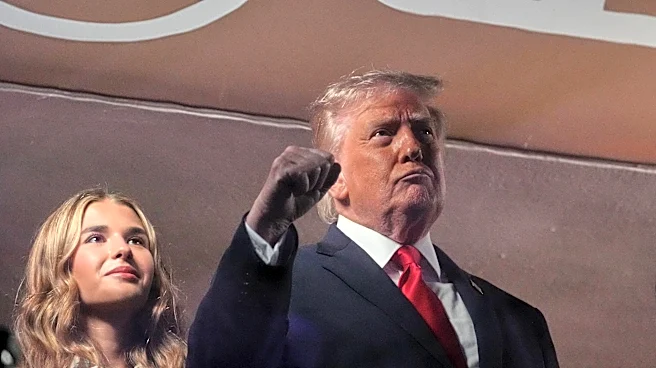
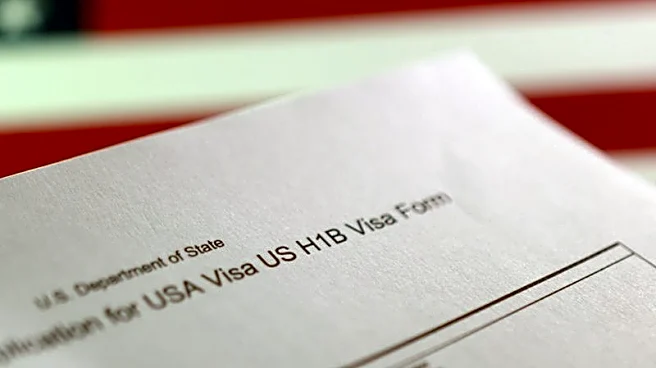
A federal judge has invalidated a $100,000 fee imposed by President Trump on H-1B visa applications, ruling that the administration exceeded its authority by implementing the fee without congressional approval. The fee was introduced as a measure to protect
American workers by discouraging the hiring of foreign workers at lower wages. However, the court found that the fee violated the Administrative Procedure Act. The decision was made in response to a lawsuit filed by 20 states, which argued that the fee hindered their ability to hire skilled workers for educational and medical positions. The ruling contradicts a previous court decision that upheld the fee, leading to potential legal conflicts across different jurisdictions.
Why It's Important?
The court's decision has significant implications for the U.S. tech industry and other sectors that rely on skilled foreign workers. The H-1B visa program is crucial for filling specialized positions that are difficult to staff domestically. By striking down the fee, the ruling may facilitate the hiring of foreign talent, benefiting industries such as technology, healthcare, and academia. However, it also reignites debates over the impact of foreign workers on American jobs and wages. The decision could influence future immigration policies and the legal framework governing visa programs.
What's Next?
The ruling may lead to further legal challenges as different courts have issued conflicting decisions on the fee. The case could eventually reach higher courts, potentially the Supreme Court, for a definitive resolution. Meanwhile, the Biden administration may consider revising or repealing the fee as part of broader immigration policy reforms. Stakeholders, including tech companies and educational institutions, will likely continue to advocate for policies that support the recruitment of skilled foreign workers.