



What's Happening?
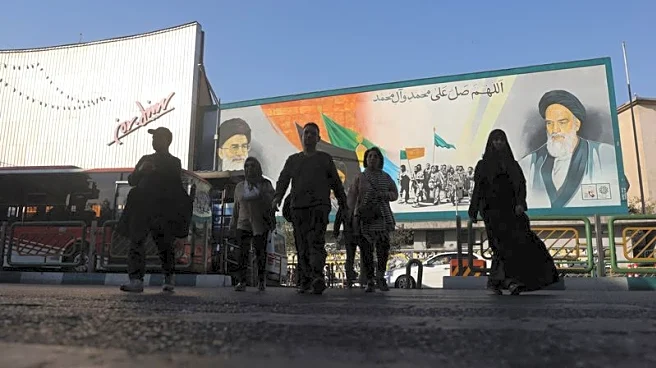
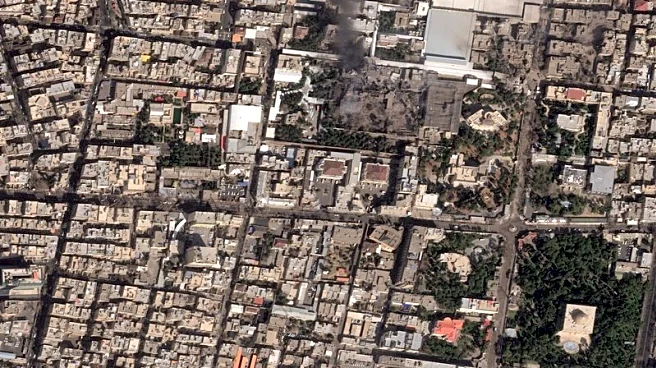
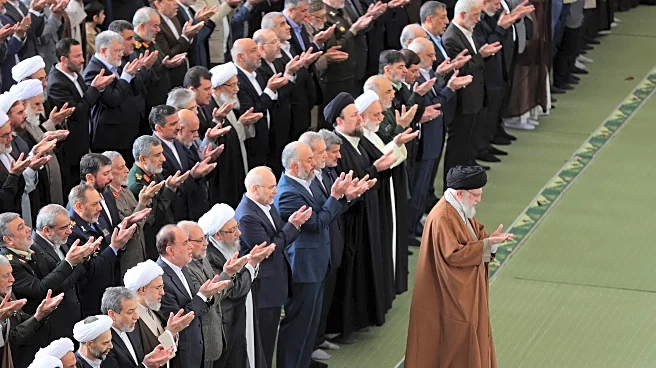
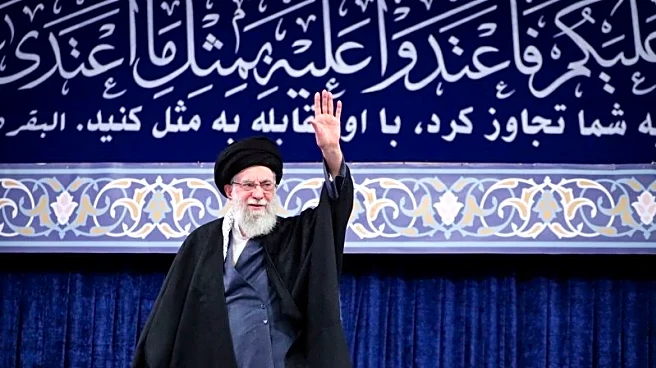
Ayatollah Ali Khamenei, who ruled Iran for 36 years, has died at the age of 86 following airstrikes by the US and Israel. Khamenei's leadership was marked by a strong anti-US stance and efforts to expand Iran's influence in the Middle East. His death
comes after decades of diplomatic efforts to resolve Iran's nuclear program failed. Khamenei's rule saw Iran become a formidable regional power, but also faced significant internal unrest and international criticism for human rights violations.
Why It's Important?
Khamenei's death could lead to significant changes in Iran's domestic and foreign policies. His leadership was pivotal in shaping Iran's hardline stance against the US and its regional alliances. The power vacuum left by his death could lead to internal instability and impact global oil markets. The international community will be closely watching the succession process, as the new leader's policies could affect regional security and diplomatic relations. Khamenei's death also raises questions about the future of Iran's nuclear program and its role in the Middle East.
What's Next?
The Assembly of Experts is tasked with selecting Khamenei's successor, a decision that will have far-reaching implications for Iran and the region. The selection process is expected to be contentious, with various factions within Iran seeking to influence the outcome. The international community, particularly the US and Israel, will be closely monitoring the situation, as the new leader's stance could impact ongoing diplomatic and military engagements. The potential for internal unrest and external conflict remains high, with significant implications for regional and global stability.