
What's Happening?
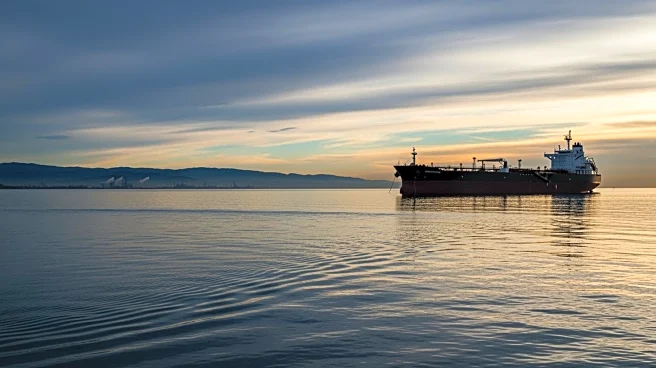
Iran has reportedly seized a foreign oil tanker near the Gulf, accusing it of carrying millions of liters of smuggled diesel fuel. This incident marks the second such seizure by Iran in recent weeks, with
the previous case involving a tanker carrying 6 million liters of diesel in the Gulf of Oman. The vessel in question is flagged under Etswani, and the seizure is part of Iran's ongoing efforts to combat fuel smuggling in the region. The Iranian authorities have not disclosed further details about the crew or the exact location of the seizure, but the action underscores the heightened tensions in the Gulf area, where maritime security has been a persistent concern.
Why It's Important?
The seizure of the oil tanker by Iran highlights the ongoing geopolitical tensions in the Gulf region, which is a critical artery for global oil transportation. Such actions can potentially disrupt international shipping routes and affect global oil prices, impacting economies worldwide. For the U.S., which has strategic interests in maintaining open and secure shipping lanes in the Gulf, this development could necessitate diplomatic or military responses to ensure the safety of commercial vessels. Additionally, the incident may strain relations between Iran and other countries involved in the global oil trade, potentially leading to broader economic and political repercussions.
What's Next?
The international community, particularly countries with vested interests in Gulf oil routes, may respond with increased naval patrols or diplomatic efforts to de-escalate tensions. The U.S. and its allies might engage in discussions to address maritime security and prevent further incidents. Iran's actions could also prompt calls for negotiations to establish clearer protocols for maritime conduct in the region. Meanwhile, the affected parties, including the vessel's flag state and the shipping company, are likely to seek diplomatic channels to resolve the situation and secure the release of the tanker and its crew.