






What's Happening?
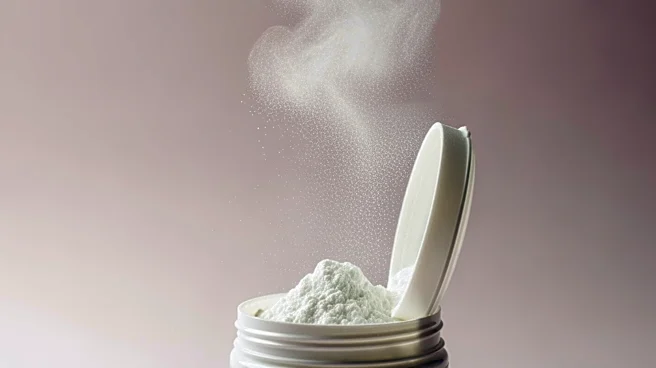
A toddler named Dustin 'Dusty' Wildman from the Gold Coast is recovering after a severe incident involving the inhalation of a metallic cake-decorating powder. The 14-month-old suffered a life-threatening reaction, leading to a coma and intensive care
treatment. His mother, Kate Robinson, reported that Dusty is now awake, alert, and breathing unaided, although he still requires a feeding tube and asthma therapy. The incident occurred when Dusty accidentally inhaled the powder, which contained copper and zinc compounds, while playing in his mother's baking studio. The product has since been withdrawn from sale, and retailers have been instructed to destroy remaining stock. Dusty's case has raised concerns about product labeling and the safety of inedible powders being placed near edible decorating ingredients.
Why It's Important?
This incident underscores the critical need for stringent safety regulations and clear labeling in the food and baking industry, particularly concerning products that may pose health risks if misused. The presence of potentially harmful compounds in products marketed for decorative purposes highlights a gap in consumer safety that could have widespread implications. Parents and caregivers are reminded of the importance of vigilance regarding household products that may be accessible to children. The withdrawal of the product from the market is a preventive measure, but it also calls for broader industry scrutiny to prevent similar incidents. This case could lead to increased advocacy for regulatory changes and heightened awareness among consumers about the potential dangers of certain baking products.
What's Next?
As Dusty continues his recovery, he will require ongoing medical monitoring and therapy to address potential long-term effects on his lungs. The family is expected to remain in the hospital for further observation. This incident may prompt regulatory bodies to review and possibly tighten safety standards for baking products, particularly those containing non-edible components. There could also be increased pressure on manufacturers to improve labeling practices to prevent similar accidents. Advocacy groups might use this case to push for legislative changes to enhance consumer protection, especially for products used in environments where children are present.