





What's Happening?
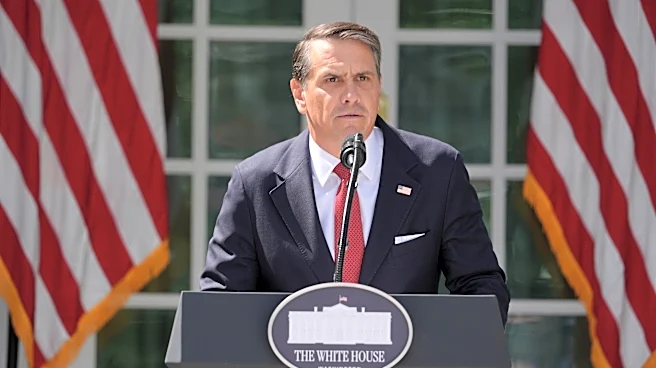
House Majority Leader Steve Scalise (R-La.) has publicly criticized Democrats for consistently voting against anti-fraud measures aimed at protecting taxpayer dollars. Speaking alongside Speaker Mike Johnson (R-La.) and other Republican leaders, Scalise highlighted
several instances where Democrats opposed legislation designed to prevent fraudulent payments and deport noncitizens who commit fraud. According to Scalise, 97% of Democrats voted against measures to verify payments before they are disbursed, and 90% voted against deporting noncitizens found to have committed fraud. He also noted that nearly 90% of Democrats opposed establishing a dedicated federal office to combat fraud. Scalise asserted that Democrats have supported measures that allow fraud to continue in America, framing these votes as a key distinction between the parties ahead of the November elections. He emphasized that House Republicans are continuing their efforts to root out fraud and return money to working families.
Why It's Important?
This political stance by House Majority Leader Scalise underscores a significant ideological divide within the U.S. Congress regarding fiscal responsibility and immigration enforcement. The accusations of Democrats siding with fraudsters could influence public perception and voter behavior, particularly in an election year. If Scalise's claims resonate with the electorate, it could bolster Republican efforts to portray themselves as the party of fiscal conservatism and strong border enforcement. Conversely, Democrats may need to articulate their rationale for opposing these specific anti-fraud bills, potentially by arguing that the legislation is flawed or targets vulnerable populations unfairly. The debate over fraud prevention directly impacts taxpayer dollars, potentially affecting federal spending on social programs, infrastructure, or other initiatives. The outcome of this legislative and rhetorical battle could shape future policy on government oversight, immigration, and economic management.
What's Next?
House Republicans plan to introduce more bills aimed at rooting out fraud in the coming weeks, and Leader Scalise anticipates continued opposition from Democrats. This legislative push will likely intensify the political rhetoric surrounding government spending and accountability as the November elections draw closer. Both parties will likely use these votes and debates as talking points in their campaigns, attempting to sway voters by highlighting their differing approaches to protecting taxpayer money and managing federal programs. The ongoing debate could lead to increased public scrutiny of government spending practices and potentially influence voter turnout and preferences in key congressional races. The effectiveness of these anti-fraud measures, if any pass, will depend on their implementation and the willingness of both parties to find common ground on fiscal oversight.
Beyond the Headlines
The broader implications of this political conflict extend beyond immediate legislative outcomes. The persistent accusations of supporting fraud could erode public trust in government institutions and deepen partisan divisions. Such rhetoric can also contribute to a narrative that demonizes one political party, making bipartisan cooperation on critical issues more challenging. Furthermore, the focus on fraud related to noncitizens touches upon sensitive immigration debates, potentially fueling anti-immigrant sentiment. The long-term effect could be a more polarized political landscape where compromise is increasingly difficult, and policy decisions are driven more by electoral strategy than by consensus-building. This dynamic could hinder effective governance and the ability to address complex national challenges requiring broad political support.