






What's Happening?
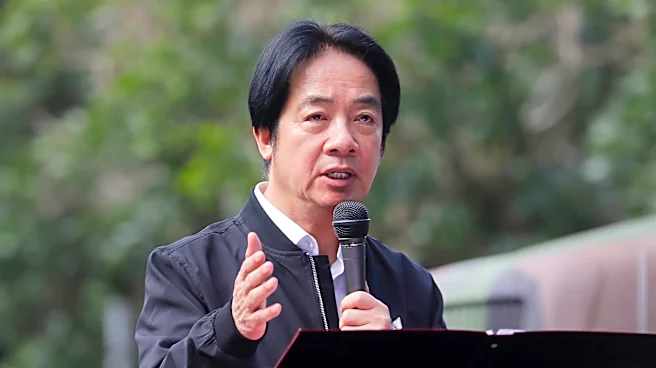
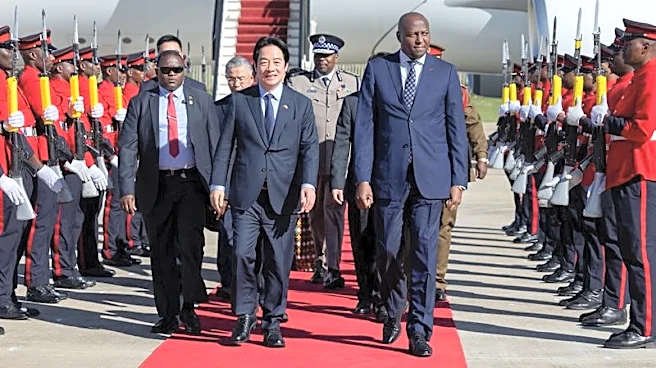
Taiwan's President Lai Ching-te has arrived in Eswatini, marking a significant diplomatic visit amid tensions with China. The trip, initially delayed due to revoked flight permits from Seychelles, Mauritius, and Madagascar, was reportedly influenced by
Chinese pressure. Eswatini remains Taiwan's sole diplomatic ally in Africa. President Lai's visit aims to strengthen economic, agricultural, cultural, and educational ties between Taiwan and Eswatini. Despite China's claims that Taiwan is part of its territory, Taiwan continues to assert its independence and engage globally. The visit was kept confidential until Lai's safe arrival, a precautionary measure reflecting the sensitive geopolitical climate.
Why It's Important?
This visit underscores the ongoing geopolitical struggle between Taiwan and China, with significant implications for international diplomacy. Taiwan's efforts to maintain and strengthen its diplomatic relationships highlight its resistance to Chinese pressure. The situation also reflects broader tensions in U.S.-China relations, as Taiwan's status remains a contentious issue. The visit could influence other nations' diplomatic stances towards Taiwan, potentially affecting global trade and political alliances. Eswatini's decision to host President Lai, despite Chinese opposition, may encourage other countries to reconsider their diplomatic policies regarding Taiwan.
What's Next?
The visit may prompt further diplomatic maneuvers from China, potentially increasing pressure on other countries with ties to Taiwan. Taiwan is likely to continue its diplomatic outreach, seeking to solidify its international presence. The U.S. and other Western nations may respond by reaffirming their support for Taiwan, potentially leading to increased tensions with China. The situation could also impact future international conferences and events, as seen with the cancellation of the RightsCon summit in Zambia due to Chinese pressure.
Beyond the Headlines
The visit highlights the complex interplay of international law, diplomatic norms, and geopolitical strategy. It raises questions about the influence of major powers on smaller nations and the ethical considerations of diplomatic recognition. The situation also reflects the broader struggle for influence in Africa, where both China and Taiwan seek to expand their presence. Long-term, this could lead to shifts in global alliances and trade patterns, as countries navigate the delicate balance between economic interests and political principles.