


What's Happening?
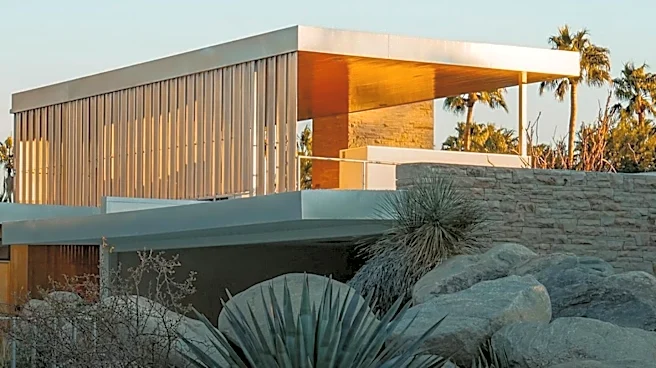
In desert regions like AlUla, Saudi Arabia, ancient water management systems are influencing modern architectural projects. The Royal Commission for AlUla is revitalizing ancient water networks and landscapes, emphasizing ecological integration over isolated
monuments. This approach is exemplified by the restoration of Bir Ettin, which reconnects vital routes and communities. The architecture of desert oases, characterized by adaptability and strategic links in trade routes, is being reimagined in contemporary designs. These projects highlight the importance of water as a central element in urban development, with irrigation systems dictating the layout and expansion of communities.
Why It's Important?
The integration of ancient water systems into modern architecture underscores the importance of sustainable development in arid regions. By learning from historical practices, contemporary projects can address current challenges such as climate change and resource scarcity. This approach not only preserves cultural heritage but also promotes ecological sustainability. The revitalization of ancient networks can enhance local economies by attracting tourism and fostering community development. Additionally, these projects serve as models for other regions facing similar environmental challenges.
Beyond the Headlines
The focus on water as a central element in urban planning reflects a shift towards more sustainable and resilient architectural practices. This approach challenges the traditional notion of permanence in architecture, emphasizing adaptability and ecological integration. The recognition of oasis environments as living cultural landscapes by UNESCO highlights the interconnectedness of natural and human systems. These developments may influence global architectural trends, encouraging a reevaluation of how urban spaces are designed in response to environmental and social needs.