
What's Happening?
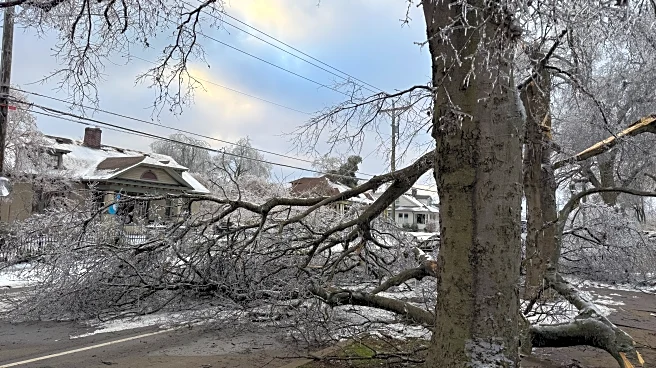
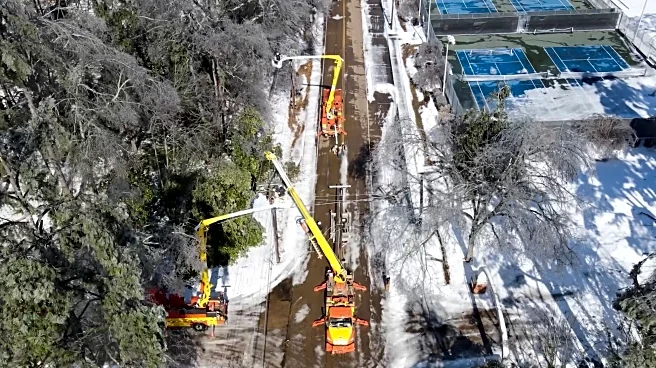
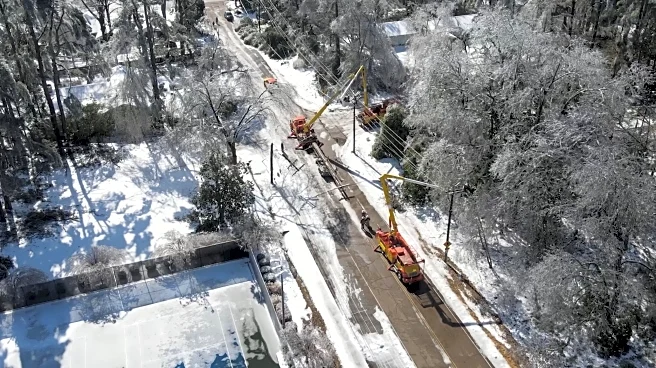
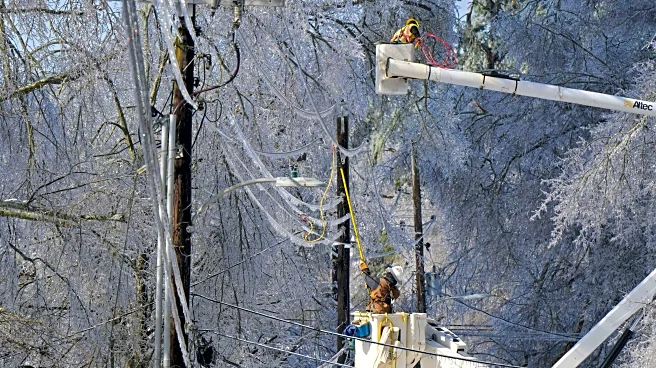
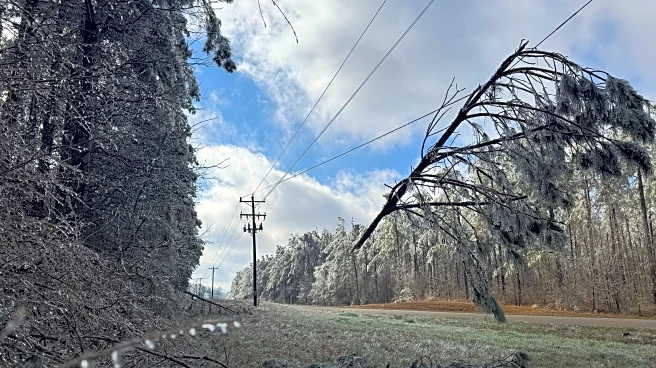
A severe winter storm has left tens of thousands of people in the southeastern United States without power for six days, with the situation exacerbated by a new wave of cold weather. The storm has caused
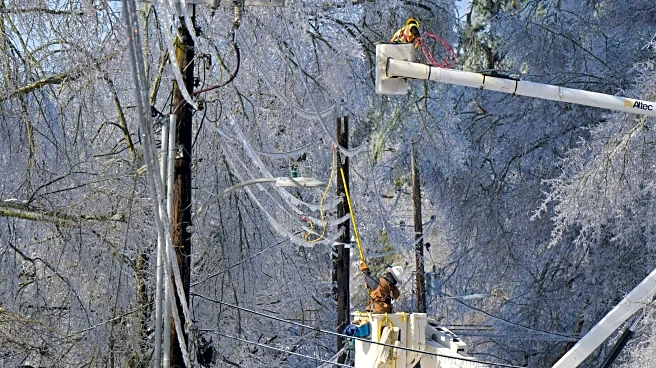
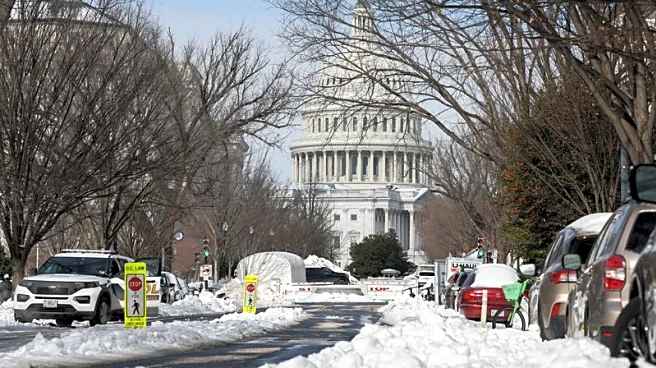
at least 85 deaths across states from Texas to New Jersey, with Tennessee, Mississippi, and Louisiana reporting the highest numbers. Many of these deaths are attributed to hypothermia and suspected carbon monoxide poisoning. The National Weather Service has warned of continued subfreezing temperatures and potential heavy snowfall in the Carolinas, Virginia, and northeast Georgia. Emergency services are working to restore power and provide aid, with warming centers opened and supplies being distributed by the National Guard.
Why It's Important?
The ongoing power outages and extreme cold pose significant risks to public health and safety, particularly for vulnerable populations such as the elderly and those with pre-existing health conditions. The prolonged exposure to cold temperatures increases the risk of hypothermia and carbon monoxide poisoning, especially as people use alternative heating sources. The situation highlights the challenges of infrastructure resilience in the face of severe weather events, which are becoming more frequent and intense. The economic impact is also considerable, with businesses and homes affected by power outages and transportation disruptions.
What's Next?
As the storm continues, emergency services are prioritizing power restoration and the distribution of essential supplies. The National Weather Service forecasts that the cold weather will persist into February, with potential for more snowfall. Authorities are urging residents to take precautions against hypothermia and carbon monoxide poisoning. The response to this crisis may prompt discussions on improving infrastructure resilience and emergency preparedness for future severe weather events.
Beyond the Headlines
The storm underscores the broader implications of climate change, as extreme weather events become more common. It raises questions about the adequacy of current infrastructure and emergency response systems to handle such crises. The situation also highlights socio-economic disparities, as poorer regions may lack the resources to effectively respond to and recover from such events. This could lead to increased advocacy for policy changes aimed at enhancing climate resilience and supporting vulnerable communities.