





What's Happening?
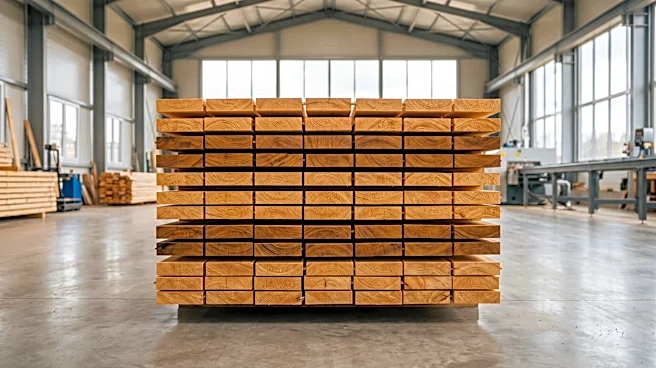
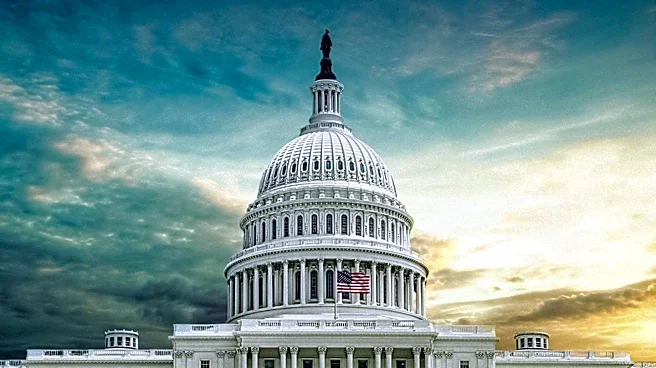
Fourth District Congressman Bruce Westerman has introduced the Strong American Wood (SAW) Act in Washington, D.C. This legislation aims to strengthen markets for American-manufactured wood products, including softwood lumber, hardwood, and paper, which
are crucial for Arkansas's rural and statewide economy. Forestry contributes approximately $7 billion to Arkansas’s gross domestic product (GDP). The SAW Act seeks to address supply chain challenges, housing costs, and regulatory issues. Key provisions include redirecting an estimated $8 billion to $9 billion from tariffs and countervailing duties collected under the U.S.–Canada Softwood Lumber Agreement into a revolving loan program. These funds would help homebuyers with down payments or construction costs for homes built with domestically produced wood. Additionally, the bill removes administrative waiver exemptions that allowed federal agencies to purchase foreign wood imports, reinforcing domestic procurement. It also eliminates tariffs on specialized manufacturing equipment not available in the U.S. and proposes adjustments to EPA particulate matter (PM2.5) rules to evaluate the impact of active forest management on air quality.
Why It's Important?
The SAW Act is significant for the U.S. economy, particularly for states with strong forestry sectors like Arkansas. By bolstering domestic wood product markets, the legislation aims to stabilize the workforce and operational capacity of local facilities, such as mills and logging operations. The revolving loan program for homebuyers could stimulate the housing market by making homeownership more accessible, while simultaneously increasing demand for domestically produced wood. The removal of 'Buy American/Build America' exemptions for federal agencies is expected to ensure that government procurement prioritizes U.S. timber, supporting domestic manufacturers over foreign imports. Furthermore, by addressing tariffs on specialized manufacturing equipment, the act could encourage modernization and expansion within the U.S. timber industry. The proposed adjustments to EPA regulations highlight a potential shift towards recognizing active forest management as a tool for environmental health, linking economic activity with ecological benefits like reduced wildfire risks and improved air quality.
What's Next?
The Strong American Wood (SAW) Act will proceed through the legislative process in Congress. Its passage would lead to the implementation of the revolving loan program, potentially impacting the housing market and domestic wood product demand. Federal agencies would be required to prioritize U.S.-sourced timber, which could shift procurement practices and benefit American manufacturers. The elimination of tariffs on specialized equipment could encourage investment in mill modernization. Additionally, the EPA would be mandated to conduct studies on the relationship between active forest management and air quality, which could influence future environmental regulations. Industry stakeholders and constituents are encouraged to monitor the legislation's progress through Representative Bruce Westerman's official website for updates and opportunities to engage.
Beyond the Headlines
Beyond its immediate economic and regulatory impacts, the SAW Act touches upon broader themes of national security, environmental stewardship, and rural economic resilience. By recognizing domestic pulp and paper, hardwood, and softwood supply chains as critical national security materials, the legislation underscores the strategic importance of these industries. The emphasis on active forest management reflects a growing understanding of its role in preventing catastrophic wildfires, protecting watersheds, and maintaining wildlife habitats, thereby integrating economic activity with ecological health. This approach challenges traditional views on environmental regulation by suggesting that responsible resource management can yield both economic benefits and environmental improvements. The act also highlights the ongoing debate about balancing domestic industry support with international trade agreements, particularly concerning tariffs and foreign competition, and seeks to ensure the long-term viability of American timber communities.