






What's Happening?
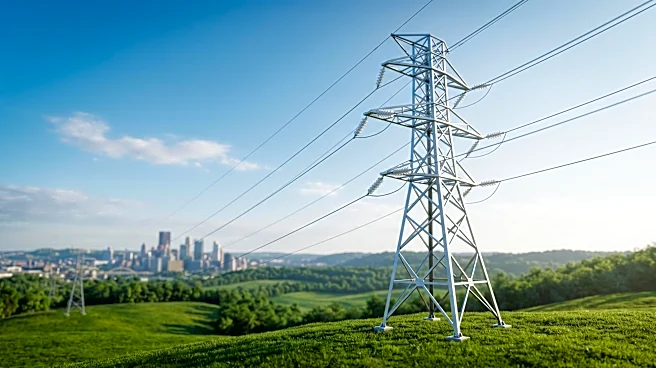
The U.S. Department of Energy (DOE) and Duquesne Light are collaborating on an initiative aimed at enhancing Pittsburgh's energy grid. This announcement signifies a joint effort to improve the reliability and efficiency of the power infrastructure in western
Pennsylvania. The details of the specific enhancements were not fully elaborated in the source, but the collaboration is touted as a significant development that could transform how the region addresses its energy needs. This partnership brings together federal resources and local utility expertise to modernize critical energy infrastructure.
Why It's Important?
This collaboration is crucial for the energy security and economic stability of western Pennsylvania. Modernizing the energy grid is essential to accommodate increasing demand, integrate renewable energy sources, and withstand extreme weather events, which are becoming more frequent. Enhancements to the grid can lead to fewer power outages, more efficient energy delivery, and potentially lower costs for consumers and businesses. For the U.S. Department of Energy, this partnership represents a tangible step in its broader mission to promote energy innovation and infrastructure resilience across the nation. It also serves as a model for how federal agencies can work with local utilities to implement advanced energy solutions, potentially influencing similar initiatives in other regions.
What's Next?
The announcement marks the beginning of a process to implement the planned enhancements to Pittsburgh's energy grid. While specific timelines and project details were not provided, the collaboration suggests that Duquesne Light, with support from the U.S. Department of Energy, will proceed with studies, planning, and eventual execution of infrastructure upgrades. This could involve investments in smart grid technologies, cybersecurity measures, and the integration of distributed energy resources. The success of this initiative could serve as a blueprint for other urban areas looking to modernize their energy infrastructure, potentially leading to further federal funding and technical assistance for similar projects nationwide.
Beyond the Headlines
This partnership reflects a growing national imperative to invest in and upgrade aging energy infrastructure. Beyond the immediate benefits of improved reliability, a modernized grid can facilitate the integration of emerging technologies, such as electric vehicle charging networks and advanced energy storage systems, which are critical for a sustainable future. The collaboration also highlights the strategic importance of public-private partnerships in addressing complex infrastructure challenges. By combining federal funding and policy guidance with local operational expertise, such initiatives can overcome financial and technical hurdles more effectively, paving the way for a more resilient, efficient, and environmentally friendly energy system across the U.S. It also underscores the role of specific cities, like Pittsburgh, as testbeds for national energy innovation.