




What's Happening?
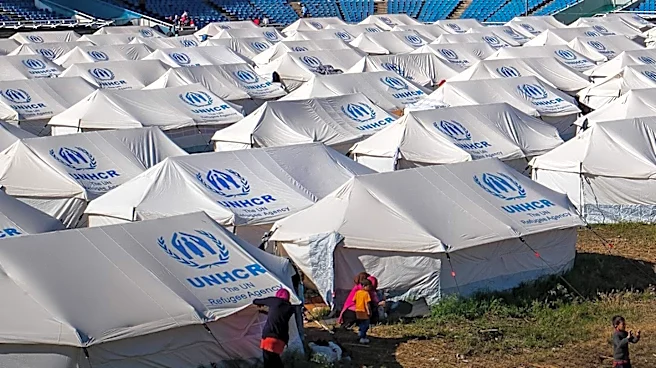
The United Nations High Commissioner for Refugees (UNHCR) Angola has issued a call for proposals for its Protection and Solutions Programme. This initiative invites non-governmental organizations (NGOs), civil society organizations, and academic institutions
to collaborate in supporting refugees, asylum-seekers, and stateless persons in Angola. The program's core focus areas include providing legal assistance, facilitating access to asylum procedures, ensuring birth registration and identity documentation, conducting advocacy and research, and raising community awareness. UNHCR Angola aims to strengthen the protection environment by working with government institutions and civil society to operationalize fair asylum procedures and improve access to civil registration for affected populations. Partners are expected to assist individuals in navigating legal processes, accessing documentation, and understanding their rights. The program also emphasizes advocacy and research to enhance national asylum procedures and the overall protection framework.
Why It's Important?
This program is crucial for enhancing the protection and well-being of vulnerable populations in Angola, including refugees, asylum-seekers, and stateless individuals. By focusing on legal assistance and access to asylum procedures, it ensures that those fleeing persecution or conflict have a fair chance to seek protection and establish their legal status. The emphasis on birth registration and identity documentation is vital for preventing statelessness and ensuring that children born to these populations have recognized identities, which is fundamental for accessing basic rights and services like education and healthcare. Furthermore, the program's advocacy and research components contribute to strengthening the legal and policy frameworks surrounding asylum and protection, potentially setting precedents or best practices that could influence other regions facing similar challenges. The involvement of various organizations fosters a collaborative approach, leveraging diverse expertise to address complex humanitarian issues.
What's Next?
Organizations interested in participating in the UNHCR Angola Protection and Solutions Programme must submit their expressions of interest by September 25, 2026. Following the selection process, successful partners will begin implementing activities focused on legal assistance, support for asylum procedures, documentation, birth registration, advocacy, research, and community awareness campaigns. The program anticipates close coordination between partner organizations, government institutions, and refugee authorities to ensure effective service delivery and policy implementation. Ongoing monitoring and evaluation will likely be conducted to assess the program's impact on improving access to protection mechanisms and promoting inclusive civil registration and documentation systems in Angola. The long-term goal is to create a more robust and equitable protection environment for displaced and stateless populations.
Beyond the Headlines
The UNHCR Angola program highlights the broader global challenge of protecting displaced and stateless populations, a critical humanitarian issue with significant legal and ethical dimensions. The focus on birth registration for children of refugees and asylum-seekers underscores the long-term implications of displacement, as lack of documentation can perpetuate cycles of marginalization and statelessness across generations. This initiative also reflects the growing recognition of the importance of civil society and academic institutions in humanitarian efforts, moving beyond traditional government-led responses. The program's emphasis on strengthening national asylum procedures and legal frameworks points to a strategic effort to build sustainable protection systems within host countries, rather than relying solely on temporary measures. This approach could serve as a model for other nations grappling with large refugee populations, promoting self-sufficiency and integration while upholding international protection standards.