






What's Happening?
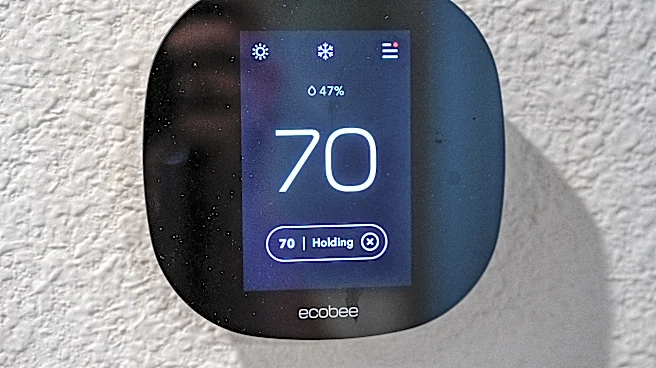
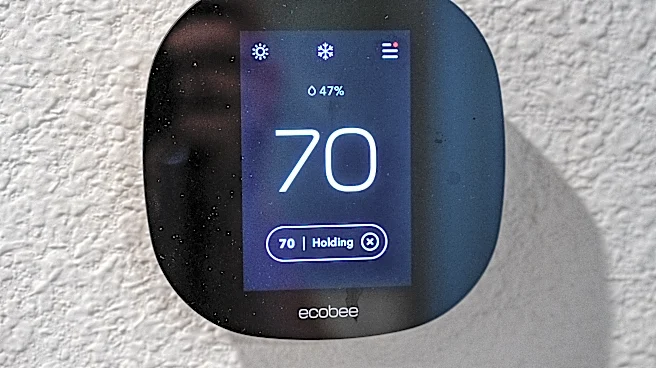
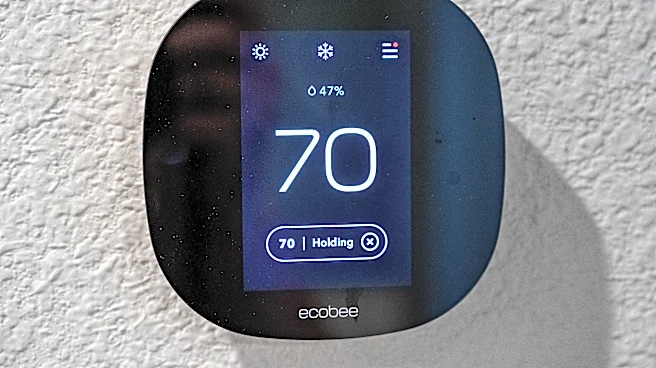
Smart thermostats are revolutionizing home climate control by offering features beyond traditional manual or programmable models. These devices allow users to manage their home's temperature remotely via smartphone apps, set detailed schedules, and access
energy usage reports. Many smart thermostats also incorporate learning capabilities, adapting to household routines to optimize heating and cooling automatically. Compatibility is a key consideration for installation, as these thermostats must match the home's existing heating and cooling equipment, wiring, and specific control needs. For instance, homes with heat pumps, multi-stage systems, or older wiring may require specialized smart thermostat models. Some advanced models can even monitor system performance and issue alerts if potential issues are detected, providing an additional layer of home maintenance and safety. The installation process typically involves a compatibility check, mounting, setup, calibration, and a test run to ensure proper communication between the thermostat and the HVAC system.
Why It's Important?
The adoption of smart thermostats holds significant importance for homeowners seeking enhanced comfort, convenience, and energy efficiency. By enabling precise control over indoor temperatures and automating adjustments based on occupancy or schedules, these devices can substantially reduce energy consumption and lower utility bills. The ability to control climate remotely is particularly beneficial for managing home temperatures while away, preventing unnecessary heating or cooling of empty spaces. Furthermore, the diagnostic features offered by some smart thermostats can help homeowners identify potential HVAC system problems early, potentially preventing more costly repairs down the line. This technology contributes to a broader trend of smart home integration, where interconnected devices work together to create more efficient and responsive living environments, impacting both individual household budgets and overall energy demand.
What's Next?
The smart thermostat market is expected to continue its growth, with ongoing advancements in artificial intelligence and machine learning further enhancing their capabilities. Future iterations may offer even more sophisticated learning algorithms, better integration with other smart home devices, and improved predictive analytics for energy management. As technology evolves, these devices could become more adept at anticipating user needs and external environmental factors, leading to even greater energy savings and personalized comfort. We may also see increased adoption of smart thermostats in rental properties and commercial buildings, driven by the desire for efficiency and remote management. Manufacturers will likely focus on expanding compatibility with a wider range of HVAC systems and simplifying installation processes to make these technologies more accessible to a broader consumer base.
Beyond the Headlines
Beyond the immediate benefits of comfort and savings, the widespread adoption of smart thermostats has broader implications for energy grids and environmental sustainability. By optimizing energy use at the household level, these devices can collectively reduce peak energy demand, easing strain on power grids and potentially delaying the need for new power plant construction. This distributed energy management contributes to a more resilient and efficient energy infrastructure. Furthermore, the data collected by smart thermostats, when anonymized and aggregated, can provide valuable insights into energy consumption patterns, informing urban planning and energy policy decisions. The ethical considerations around data privacy and security will also become increasingly important as these devices gather more information about household routines and preferences, necessitating robust safeguards and transparent data handling practices from manufacturers.