








What's Happening?
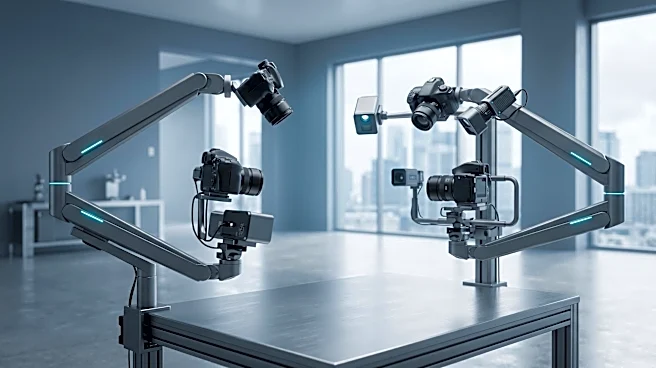
Idemia Public Security has launched the MFACE Gen2, an updated version of its face biometrics scanner designed to facilitate faster and more efficient traveler identification at borders. This new generation scanner incorporates 3D multi-face tracking,
advanced facial recognition, and integrated security features. Its primary goal is to help border agencies, port operators, and carriers manage increasing traveler volumes with reduced friction. The MFACE Gen2 automatically detects, tracks, and captures faces as individuals move through the capture area, enabling real-time biometric matching. The system is engineered for speed, convenience, and accessibility, offering a non-intrusive experience for all travelers, including families, individuals with reduced mobility, and those wearing glasses or face masks. Additionally, the devices include biometric presentation attack detection (PAD), secure web services, and encrypted communications to bolster security.
Why It's Important?
The introduction of the MFACE Gen2 is significant for U.S. border security and travel infrastructure, as it addresses the growing challenge of managing high traveler volumes while maintaining stringent security standards. By improving the speed and accuracy of identity verification, this technology can streamline operations at U.S. airports, seaports, and land borders, potentially reducing wait times and enhancing the overall travel experience. For U.S. industries, particularly travel and tourism, more efficient border processing can lead to increased visitor numbers and economic benefits. The enhanced security features, such as biometric presentation attack detection, are crucial for mitigating threats and ensuring national security. The non-intrusive design also promotes inclusivity, making border checks more accessible for a wider range of travelers, which is vital for public acceptance and operational success in a diverse society.
What's Next?
Idemia Public Security aims to build on the success of the previous MFACE generation, with over 3,000 units already deployed globally. The MFACE Gen2, with its open architecture, configurable settings, and compact design, is expected to be easily integrated into existing operational infrastructures with minimal disruption. The company is also rolling out its PaXpress SmartLane biometric corridor, which includes MFACE technology, in the APAC market over the next 6 to 12 months, indicating a broader strategic deployment. Future developments will likely focus on further enhancing biometric data quality and ensuring seamless experiences for both operators and travelers. The continued evolution of such technologies will be critical as global travel volumes are projected to rise, necessitating ongoing innovation in border security solutions.
Beyond the Headlines
The widespread adoption of advanced face biometrics scanners like the MFACE Gen2 raises deeper implications regarding privacy, data security, and the balance between convenience and surveillance. While these systems promise faster and more secure travel, they also contribute to the increasing collection and storage of biometric data, prompting questions about data governance, potential misuse, and the rights of individuals. The ethical considerations surrounding facial recognition technology, including issues of bias and accuracy across different demographics, will remain a critical area of public and regulatory scrutiny. Furthermore, the reliance on such sophisticated technology could create a dependency that requires continuous investment in maintenance and upgrades, potentially impacting public budgets. The long-term societal impact will depend on robust regulatory frameworks, transparent data handling practices, and ongoing public discourse to ensure that technological advancements serve both security needs and individual liberties.