

What's Happening?
The Danish Maritime Authority has detained a containership linked to Iran due to questionable registration and certification. The vessel, previously sanctioned by the United States in July 2025, is part of a network of over 50 ships allegedly controlled
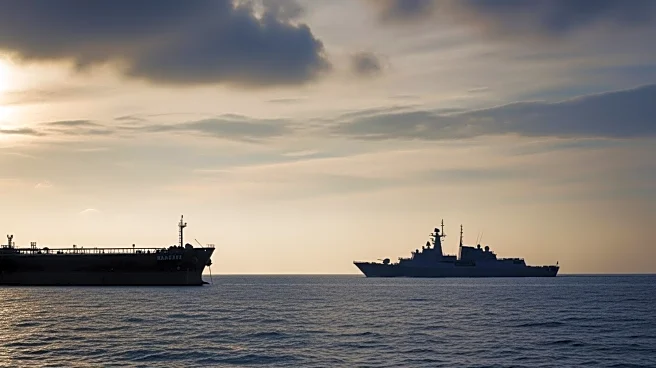
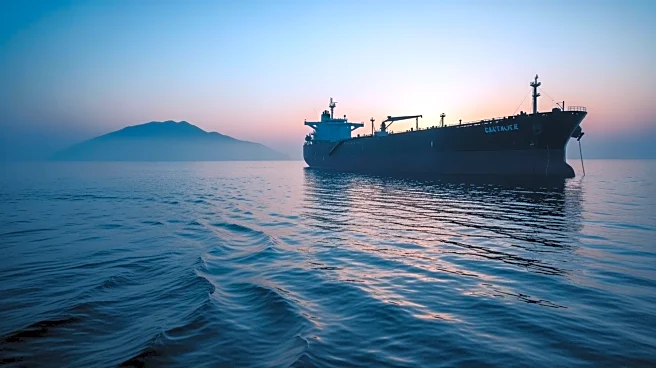
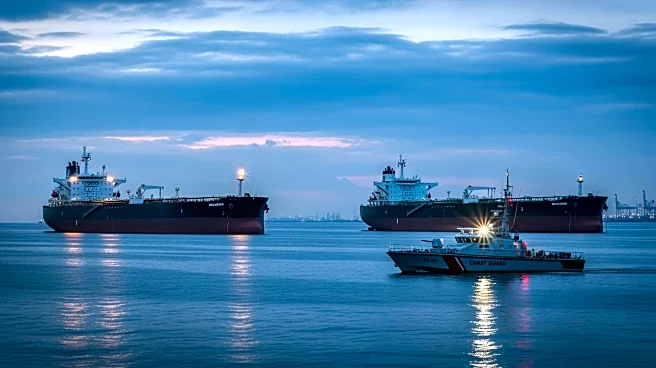
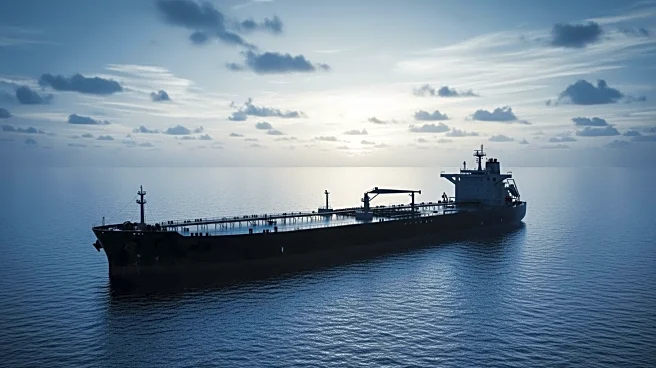
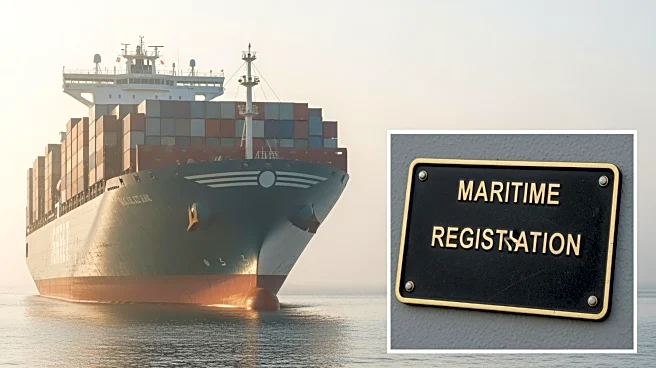
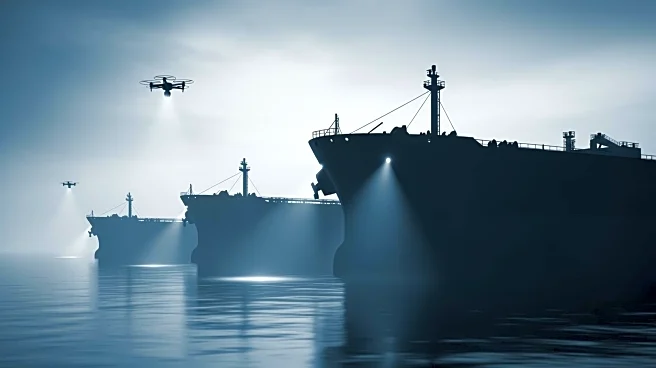
by Mohammad Hossein Shamkhani, associated with Iran's Supreme Leader. Initially registered in St. Kitts and Nevis, the ship, known as Cerus, changed its name to Nora and falsely claimed registration in Aruba and Comoros. The Danish authorities questioned its registry, and upon further investigation, the ship raised an Iranian flag, leading to its detention. The ship has been anchored near Aalbaek, Denmark, for 28 days, with Danish patrols and sea drones monitoring it. The Danish Maritime Authority has stated that the ship will remain detained until proper registration and certification are verified.
Why It's Important?
This incident highlights ongoing international tensions surrounding Iran's maritime activities and the enforcement of sanctions. The detention of the ship underscores the challenges in regulating and monitoring vessels that may be involved in circumventing international sanctions. The U.S. has accused the fleet, including the detained ship, of transporting oil and other goods from Iran and Russia, generating significant profits. This situation could impact global shipping routes and the enforcement of maritime laws, as countries like Denmark take action to uphold international regulations. The detention also reflects broader geopolitical dynamics, as Western nations continue to scrutinize Iran's economic activities.
What's Next?
Denmark plans to conduct a port state inspection of the vessel once weather conditions allow. The outcome of this inspection could determine the ship's future movements and any further legal actions. The international community, particularly countries involved in sanctioning Iran, will likely monitor the situation closely. The incident may prompt other nations to increase surveillance and enforcement measures on vessels suspected of violating sanctions. Additionally, the ship's owners and operators may face legal and financial repercussions, potentially affecting their operations and relationships with international partners.