




What's Happening?
The Pennsylvania Department of Health (DOH) has confirmed 1,505 measles cases across 45 counties in the state as of 2026. This ongoing outbreak has led to 290 hospitalizations and 6 confirmed measles-associated deaths. The DOH is actively responding to the situation,
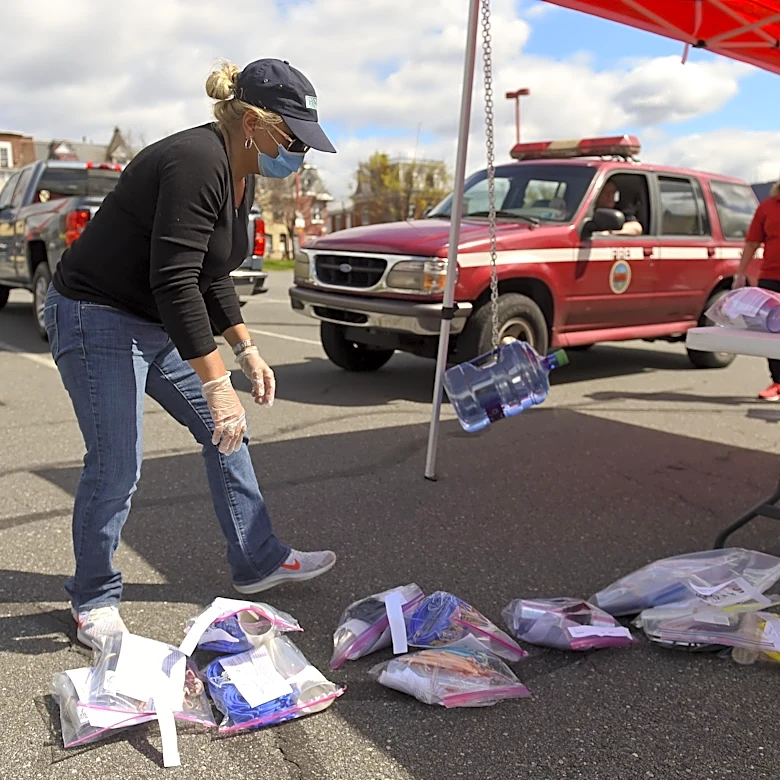
providing updated information on a public dashboard that tracks cases, hospitalizations, and deaths. Approximately 300 DOH staff are engaged in outreach efforts, working with residents, community organizations, and healthcare providers to disseminate fact-based information and facilitate access to the measles, mumps, and rubella (MMR) vaccine. Since the outbreak began in late April, state health center staff have administered over 7,000 MMR vaccinations at 244 pop-up clinics, with more than 11,000 doses given by DOH nurses across the Commonwealth in 2026. Healthcare providers statewide have also seen a significant increase in MMR vaccination interest, administering over 56,000 doses in September and over 61,000 in October, compared to a typical monthly average of 25,000 doses. The DOH is collaborating with the Centers for Disease Control and Prevention (CDC) to review cases, outbreak response, and public materials.
Why It's Important?
The surge in measles cases in Pennsylvania highlights a significant public health challenge, particularly concerning the potential for widespread transmission and severe health outcomes. Measles is a highly contagious respiratory virus that can lead to serious complications such as pneumonia and brain swelling, with nearly 20% of infected individuals requiring hospitalization. The confirmed deaths underscore the severity of the disease, especially for unvaccinated individuals. The increased demand for MMR vaccines indicates a growing public awareness and concern, but also points to previous vaccination gaps that allowed the outbreak to escalate. The DOH's extensive response, including pop-up clinics and collaboration with the CDC, is crucial for containing the spread and protecting vulnerable populations. This situation also reflects broader national concerns about declining vaccination rates and the re-emergence of vaccine-preventable diseases, posing a threat to herd immunity and public health infrastructure.
What's Next?
The Pennsylvania Department of Health will continue its robust response to the measles outbreak, with dozens of additional vaccine clinics scheduled based on community interest and need. The DOH recommends an early zero dose of the MMR vaccine for infants aged 6 through 11 months in counties with sustained community transmission, in addition to the two routine doses. Children 12 months and older who have not received any dose are advised to get one immediately, followed by a second dose at least 28 days later. Adults with only one dose or without vaccination records are encouraged to consult a healthcare provider or pharmacist for vaccination. The ongoing collaboration with the CDC will continue to guide response strategies and public health messaging. The effectiveness of these measures will determine the trajectory of the outbreak, with continued vigilance required to prevent further spread and reduce hospitalizations and fatalities.
Beyond the Headlines
The measles outbreak in Pennsylvania underscores the critical importance of sustained public health campaigns and high vaccination coverage to prevent the resurgence of eradicated diseases. The situation highlights the vulnerability of communities with lower vaccination rates, where the highly contagious nature of measles can quickly lead to widespread infection. This event also brings to light the challenges of vaccine hesitancy and misinformation, which can erode herd immunity and place immunocompromised individuals and infants too young for vaccination at significant risk. The long-term implications could include increased strain on healthcare systems, potential economic impacts due to illness and public health interventions, and a renewed focus on vaccine education and accessibility. The outbreak serves as a stark reminder that public health achievements, such as disease eradication, require continuous effort and community-wide participation to maintain.