




What's Happening?
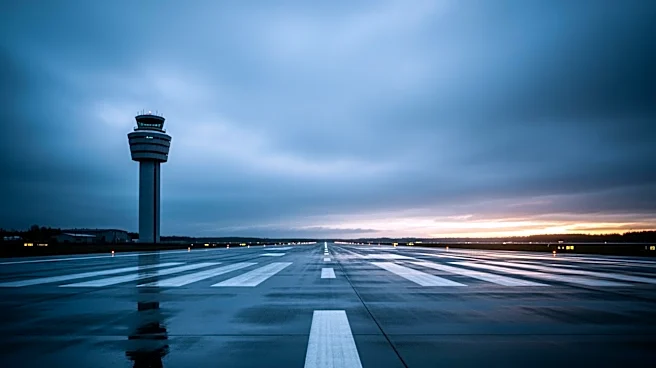
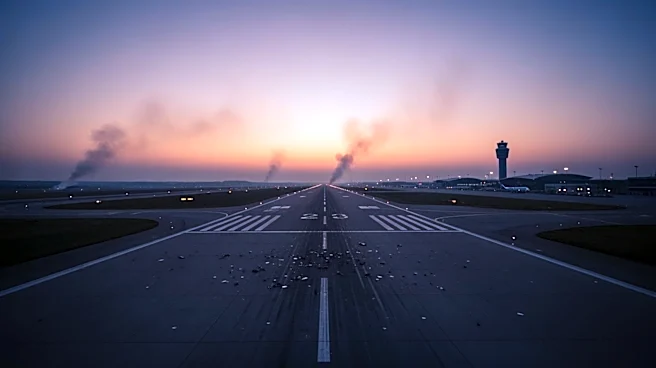
The General Civil Aviation Authority (GCAA) of the UAE has implemented a new strategy to keep airspace open during the Iran conflict. This approach involves enhanced civil-military collaboration, allowing for more flexible use of airspace. The UAE's airspace,
a critical corridor for global air traffic, saw a drastic reduction in flight movements at the conflict's onset. However, through daily reviews and cooperation with military authorities, the UAE has gradually increased airspace capacity, demonstrating a successful model for airspace management in conflict zones.
Why It's Important?
The UAE's strategy offers a potential blueprint for other nations facing similar challenges. By maintaining open airspace, the UAE supports global air traffic and minimizes disruptions to international travel and trade. This approach underscores the importance of civil-military cooperation in managing airspace during conflicts. The UAE's experience highlights the need for adaptable air traffic management systems that can respond to dynamic security situations, ensuring the safety and efficiency of air travel even in challenging circumstances.
What's Next?
The UAE's model may be studied and potentially adopted by other countries seeking to enhance their airspace management capabilities during conflicts. Continued collaboration between civil and military authorities will be crucial in refining and expanding this approach. The success of the UAE's strategy could lead to broader discussions on international best practices for airspace management in conflict zones, potentially influencing global aviation policies and standards.