



What's Happening?
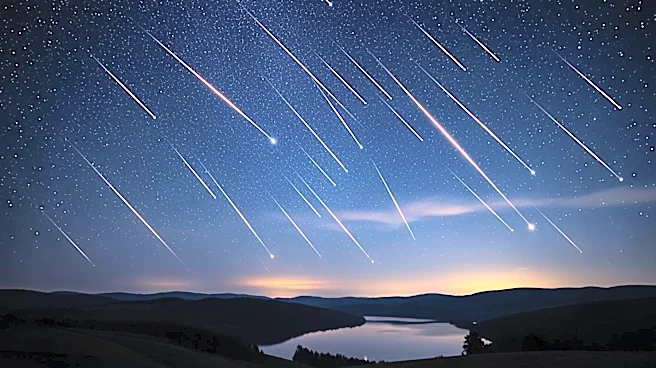
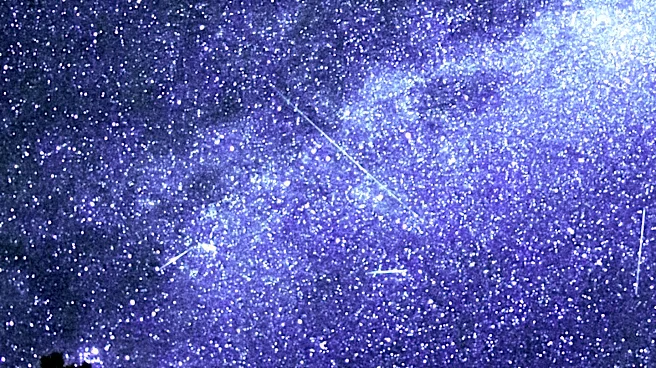
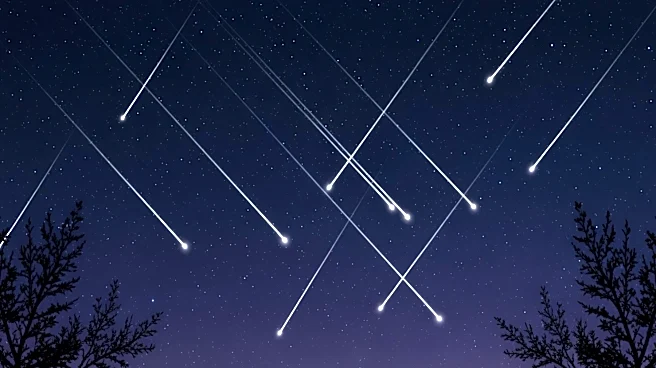
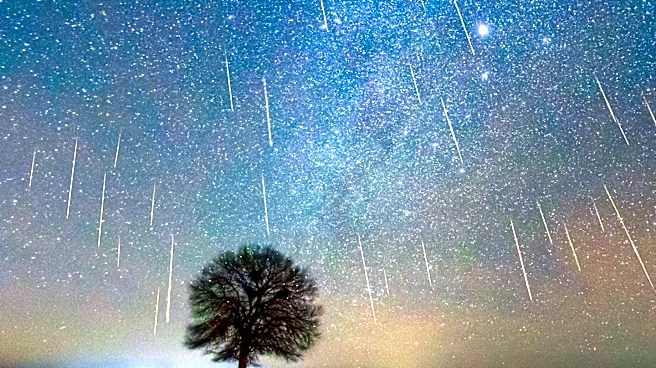
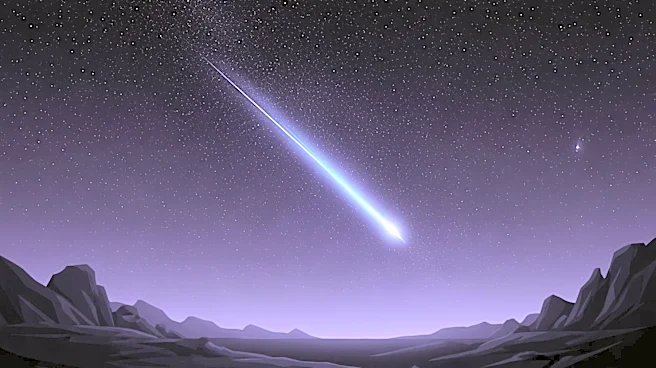
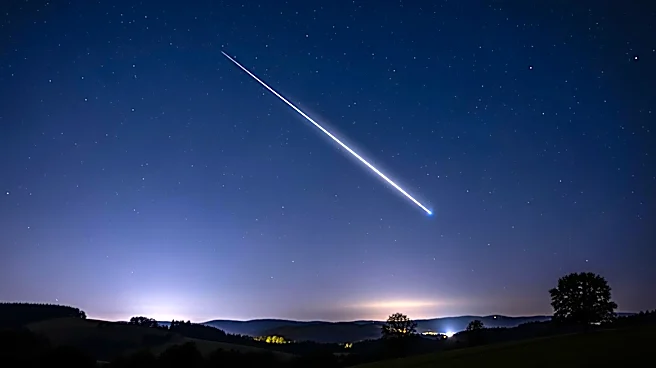
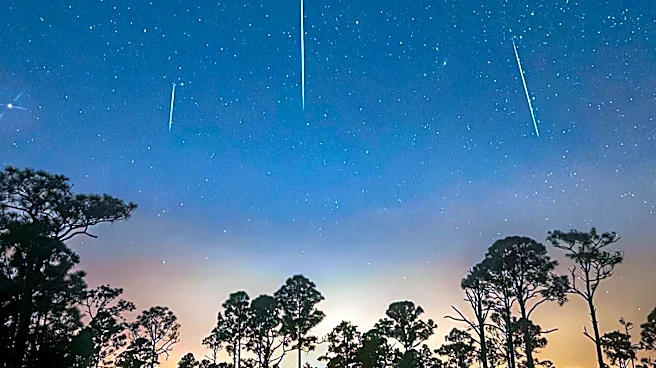
The Lyrid meteor shower is set to peak soon, providing an opportunity for stargazers to witness up to 20 shooting stars per hour. This annual celestial event is expected to reach its peak on the night of April 22, with optimal viewing conditions due to a dim
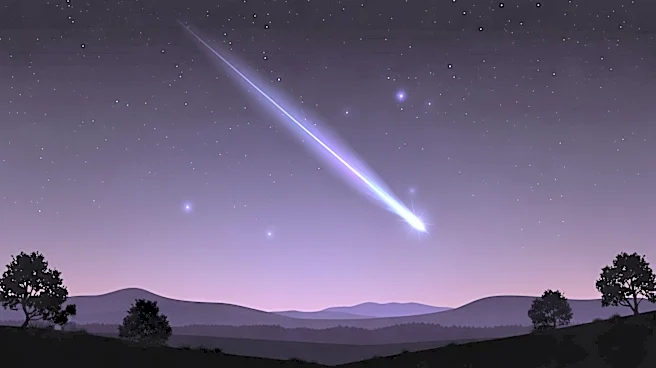
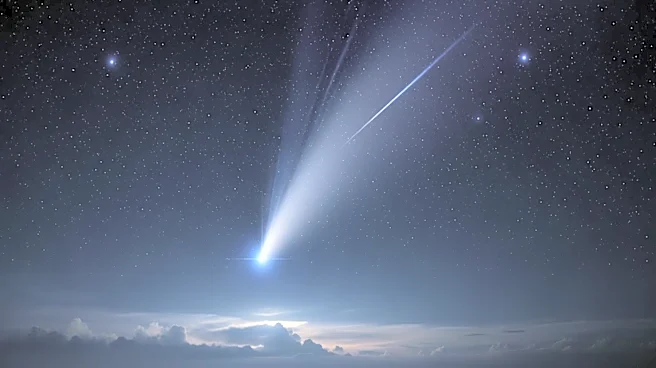
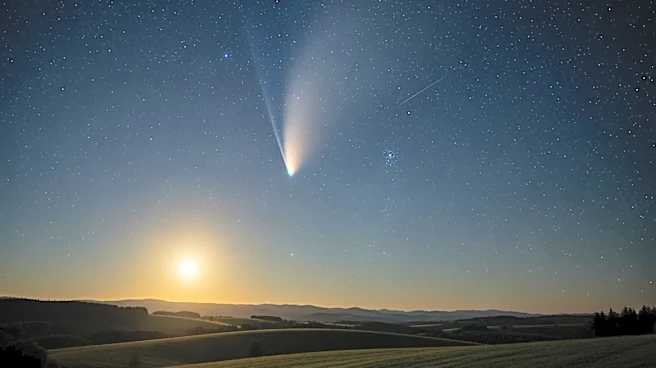
crescent moon. The Lyrids are caused by debris from Comet Thatcher, which passes by Earth every 415 years. As Earth moves through the comet's debris trail, the particles burn up in the atmosphere, creating bright streaks in the sky. The meteor shower is best viewed in the Northern Hemisphere, where the constellation Lyra rises in the northeast. Observers are advised to find a dark, open area away from city lights and allow their eyes to adjust to the darkness for the best experience.
Why It's Important?
The Lyrid meteor shower is one of the oldest recorded meteor showers, with sightings dating back over 2,500 years. It offers a unique opportunity for people to connect with the natural world and appreciate the wonders of the universe. Events like these can inspire interest in astronomy and science, encouraging educational pursuits and public engagement with space exploration. Additionally, the meteor shower provides a moment of respite and awe, allowing individuals to step away from daily routines and experience the beauty of the night sky. This can have a positive impact on mental well-being and foster a sense of community among those who gather to watch the event.
What's Next?
For those who miss the Lyrid meteor shower, the next major meteor event will be the Eta Aquarids, which are remnants of Halley's Comet, expected in early May. Stargazers can prepare for this upcoming event by planning viewing locations and times. As interest in astronomical events grows, educational institutions and observatories may organize public viewing sessions and workshops to enhance public understanding of these phenomena. Continued interest in meteor showers can also lead to increased support for space research and exploration initiatives.