







What's Happening?
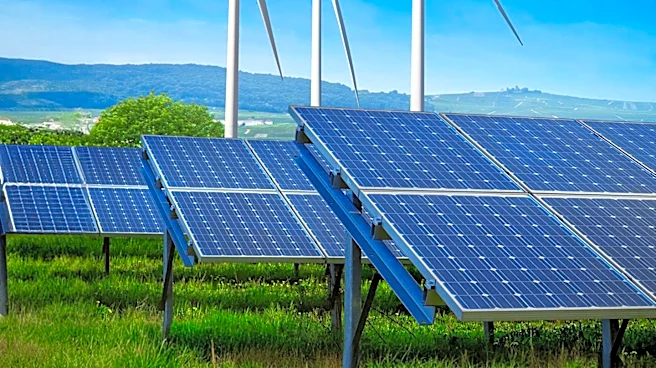
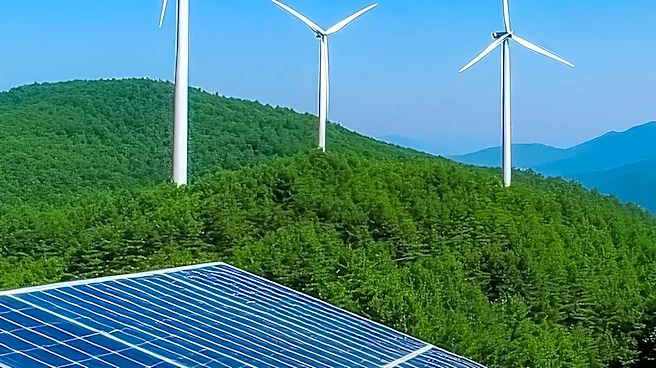
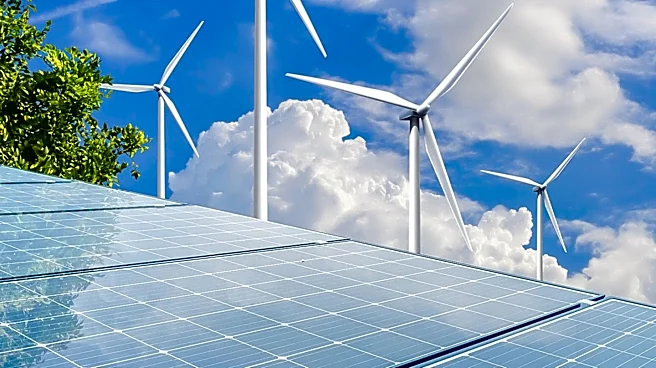
Virtual Power Plants (VPPs) are transforming the electricity landscape by integrating smart devices and renewable energy systems into a cohesive network. These programs are designed to smooth out the fluctuations inherent in solar and wind power generation,
reducing the need for traditional backup power plants during peak demand. VPPs distribute energy resources across communities, enhancing grid resilience and empowering individuals and businesses to actively participate in the energy system. By enabling automated demand response, VPPs incentivize users to reduce or shift electricity usage during high-demand periods, which helps balance the grid and can lead to bill credits for participants. Green Mountain Energy highlights VPPs as a crucial component for building a cleaner, more resilient energy system, emphasizing their role in cutting carbon emissions and reducing reliance on non-renewable energy sources.
Why It's Important?
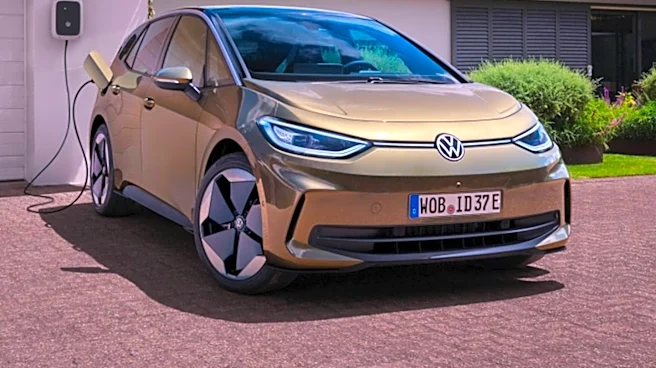
The rise of Virtual Power Plants holds significant importance for the U.S. energy sector and its transition to clean energy. VPPs offer a decentralized approach to energy management, which can make the national grid more robust and less susceptible to large-scale outages. By integrating distributed energy resources like rooftop solar and battery storage, VPPs reduce the strain on centralized power plants and transmission infrastructure. This shift not only lowers carbon emissions but also provides economic benefits to consumers through incentives and bill credits for participation. For industries, VPPs can offer new avenues for energy efficiency and demand-side management, potentially reducing operational costs and contributing to corporate sustainability goals. The technology also fosters innovation in smart home devices and energy management systems, driving growth in the tech sector.
What's Next?
The adoption of Virtual Power Plants is expected to expand as more utilities and energy providers recognize their benefits. Future developments will likely include enhanced integration with smart home technologies and advanced artificial intelligence for more sophisticated energy management. Regulatory frameworks may evolve to better support and incentivize VPP participation, potentially leading to standardized programs across different states. There will also be a focus on educating consumers about the benefits and mechanics of VPPs to encourage broader enrollment. As VPPs become more prevalent, they will play an increasingly critical role in grid modernization efforts, contributing to a more stable, efficient, and environmentally friendly energy infrastructure. The continued growth of renewable energy sources will further necessitate the scaling of VPP solutions.
Beyond the Headlines
Beyond their immediate technical and economic benefits, Virtual Power Plants represent a fundamental shift in the relationship between energy consumers and the grid. They democratize energy production and management, moving control from large, centralized entities to individual homes and businesses. This empowerment can foster a greater sense of environmental responsibility and community engagement in energy solutions. Ethically, VPPs promote energy equity by allowing more people to benefit from clean energy and participate in grid stability. Culturally, they signify a move towards a more interconnected and intelligent infrastructure, where technology facilitates collective action for environmental good. The long-term impact could be a more resilient society, better equipped to handle energy challenges and climate change through distributed, smart, and clean energy systems.