






What's Happening?
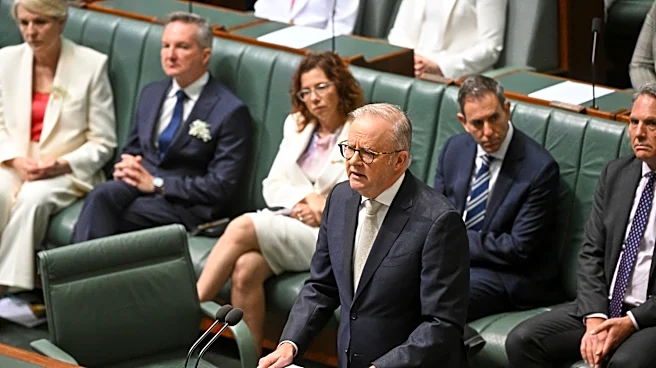
Australia's recent student visa reforms, effective October 2, 2026, are expected to compel an estimated 20,000 to 30,000 Bhutanese students to return home over the coming years. Under the new policy, most current student visa holders seeking another student visa can
no longer apply from within Australia, unless they qualify for specific exemptions. Those who must apply offshore are required to remain outside Australia until their visa is granted, with no guarantee of approval. The first wave of returns is anticipated by February and March 2027, coinciding with the expiry of many Bhutanese students' visas. Students who changed courses or education providers after arriving in Australia are particularly at risk. These changes are part of Australia's broader effort to enhance the integrity of its international education system, prevent the misuse of student visas, and ensure that international students primarily come to study.
Why It's Important?
This policy shift has significant implications for international students, particularly those from Bhutan, and for Australia's international education sector. The requirement for offshore applications creates considerable uncertainty and financial burden for students, potentially disrupting their educational pathways and future career plans. It also highlights Australia's stricter stance on genuine study intentions and skilled migration, moving away from allowing individuals to remain indefinitely through successive temporary visas. For Bhutan, the return of such a large number of students could present challenges in terms of reintegration and employment, given the potential for a sudden influx of educated but potentially unemployed youth. The changes also affect families, as rules for including partners and dependent children in new student visa applications have been tightened, and children turning 18 may need to apply for their own visas from outside Australia.
What's Next?
For Bhutanese students currently in Australia, migration professionals advise that their immediate priority should be to determine if they qualify for an onshore application or if they must apply from outside the country before their current visas expire. The Australian government is also planning a new Student visa Transfer stream for 2027, though details are still under development. Some education consultancies are exploring whether affected students could qualify for a Skills in Demand visa (subclass 482), which requires an eligible sponsoring employer. However, this option is not universally available. The changes are likely to lead to increased scrutiny of student visa applications and a greater emphasis on demonstrating genuine study intentions. Students and education providers will need to adapt to these stricter regulations, potentially leading to a shift in how international education is pursued and managed in Australia.
Beyond the Headlines
The tightening of student visa rules reflects a global trend among developed nations to refine immigration policies, often in response to concerns about population growth, labor market needs, and the integrity of visa programs. This move by Australia underscores a re-evaluation of the balance between attracting international talent and managing immigration levels. The policy also implicitly addresses the issue of 'visa hopping,' where individuals use student visas as a pathway to long-term residency without necessarily fulfilling the primary purpose of study. The impact on Bhutanese students, in particular, highlights the vulnerability of international students to policy changes in their host countries. This situation could prompt other countries to review their own student visa policies and encourage prospective international students to thoroughly understand the long-term immigration implications of their educational choices.