






What's Happening?
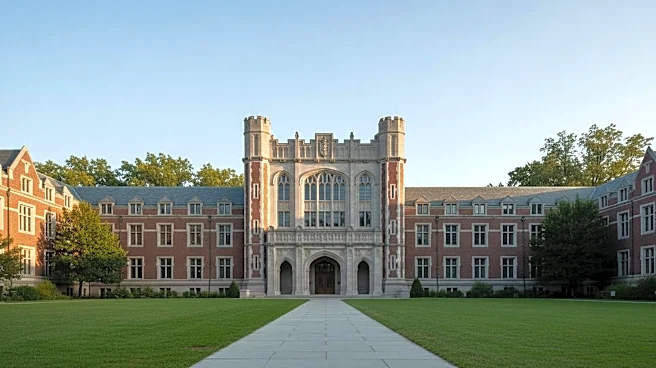
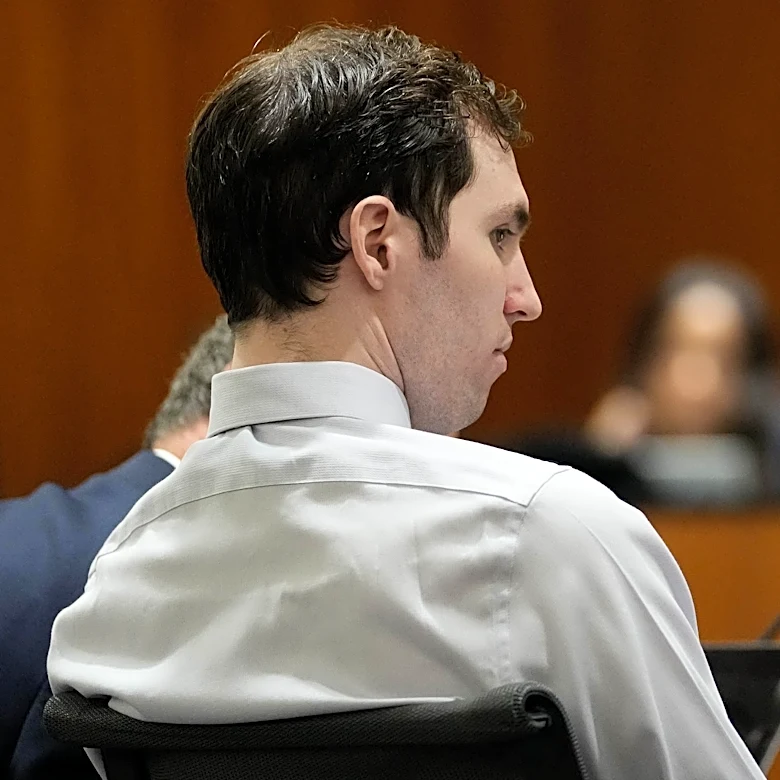
Pennsylvania's Attorney General has announced charges against more than a dozen current or former Penn State students at the University Park campus for their alleged involvement in a cocaine trafficking ring. All but one of the 14 individuals accused
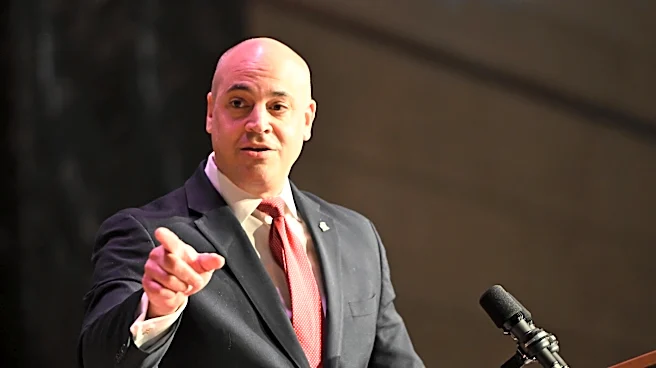
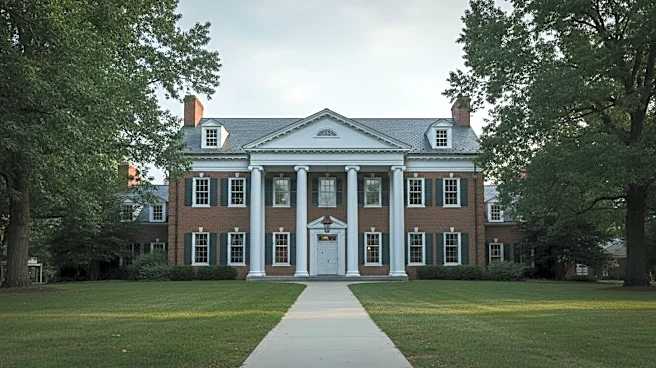
were students at University Park during the multi-year investigation, which covered alleged cocaine trafficking in 2023 and 2024. One person charged is a student's father, who is accused of attempting to obstruct the investigation. Attorney General Dave Sunday stated that large quantities of cocaine were brought from Philadelphia and New York to State College, where they were cut and packaged for sale, primarily to Penn State students. The cocaine was reportedly cut and packaged mostly at the Delta Upsilon and Sigma Chi fraternity houses. Sunday further alleged that packaging cocaine was, for some pledges, an 'indoctrination' into these fraternities. Penn State officials have placed Delta Upsilon on interim suspension, while Sigma Chi is not recognized by the university. The university's Student Affairs division is also implementing additional educational and hazing prevention efforts.
Why It's Important?
This case highlights a significant issue of drug trafficking within university communities and raises serious concerns about the culture within some fraternity organizations. The allegation that pledges were involved in packaging cocaine as part of their 'indoctrination' points to potential hazing practices that extend beyond traditional forms and involve serious criminal activity. This could have profound implications for the safety and well-being of students, as well as the reputation and regulatory oversight of Greek life nationwide. The involvement of a student's father in allegedly obstructing the investigation further complicates the matter, suggesting a broader network of individuals involved. For Penn State, this incident necessitates a re-evaluation of its oversight of fraternities and its efforts to prevent drug-related activities and hazing. The university's response, including the suspension of Delta Upsilon and the implementation of new prevention efforts, indicates a recognition of the severity of the situation and a commitment to addressing it.
What's Next?
The legal proceedings against the 14 individuals charged, including Agostino Abbatiello and Thomas Robinson who are identified as the main suppliers, will move forward. They face felony charges including corrupt organizations, conspiracy, and dealing in proceeds of unlawful activity. Attorney General Dave Sunday declined to comment on whether investigators will pursue hazing charges, but the allegations of pledges being involved in drug packaging could lead to further scrutiny of hazing laws and enforcement. Penn State will continue its internal actions, including the interim suspension of Delta Upsilon and the implementation of enhanced educational and hazing prevention efforts for the upcoming semester. These measures aim to address the immediate concerns and prevent similar incidents in the future. The university community, including students, parents, and alumni, will likely be watching closely for the outcomes of both the legal cases and the university's internal reforms. This incident could also prompt other universities to review their own fraternity oversight and drug prevention policies.
Beyond the Headlines
This case exposes a darker side of collegiate life, where the pursuit of social acceptance within fraternities allegedly intersected with serious criminal enterprise. The claim that drug packaging was a form of 'indoctrination' for pledges suggests a systemic issue within these specific fraternities, blurring the lines between social bonding and illegal activity. This raises ethical questions about the responsibilities of university administrations to monitor and regulate student organizations, particularly those with a history of problematic behavior. The incident also underscores the vulnerability of young adults to peer pressure and the potential for exploitation within hierarchical group structures. Beyond the immediate legal consequences, this event could trigger a broader conversation about the role of fraternities in modern higher education, their accountability, and the need for more robust mechanisms to ensure student safety and ethical conduct. It also highlights the persistent challenge of drug abuse on college campuses and the complex factors that contribute to its prevalence.