






What's Happening?
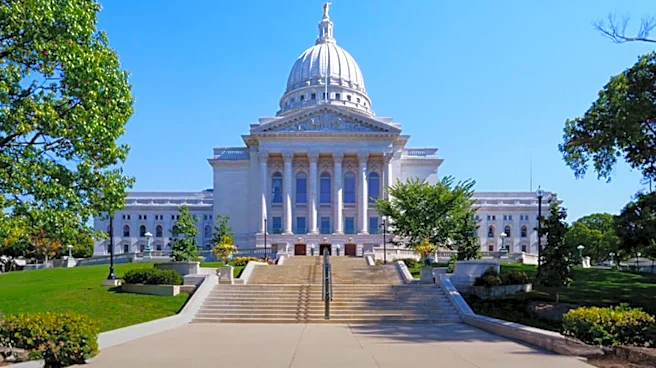
The Midwestern Association of State Departments of Agriculture (MASDA) held its Regional Meeting in Madison, Wisconsin, from June 22 to 24, 2026. The event was hosted by Randy Romanski, the President of MASDA and the Secretary of the Wisconsin Department of Agriculture,
Trade and Consumer Protection (DATCP). The meeting brought together Commissioners, Secretaries, and Directors of Agriculture from 13 Midwestern states, including Illinois, Indiana, Iowa, Kansas, Michigan, Minnesota, Missouri, Nebraska, North Dakota, Ohio, Oklahoma, South Dakota, and Wisconsin. The agenda included business meetings, panel discussions, and industry tours that highlighted Wisconsin's leadership in bovine genetics, land and water conservation, and meat and dairy processing. Additionally, the meeting celebrated youth engagement, the International Year of the Woman Farmer, and the Wisconsin Initiative for Agricultural Exports. A concurrent meeting of the Food Export Association of the Midwest USA was also held, where Romanski was elected President.
Why It's Important?
The MASDA Regional Meeting is significant as it facilitates collaboration among agricultural leaders from key Midwestern states, which are crucial to the U.S. agriculture sector. The discussions and policies formulated during these meetings can have a substantial impact on agricultural practices, trade, and exports in the region. By focusing on issues such as conservation and export initiatives, the meeting aims to enhance the sustainability and competitiveness of Midwestern agriculture on a global scale. The election of Randy Romanski as President of the Food Export Association of the Midwest USA underscores Wisconsin's pivotal role in strengthening agricultural exports, which is vital for the economic health of the region.
What's Next?
The next steps include the upcoming meetings of MASDA and the Food Export Association of the Midwest USA at the National Association of State Departments of Agriculture (NASDA) Annual Meeting in September 2026. These meetings will continue to build on the discussions held in Wisconsin, focusing on furthering agricultural policies and export strategies. Stakeholders will likely monitor the outcomes of these meetings closely, as they could influence future agricultural policies and trade agreements that affect the entire Midwest region.