







What's Happening?
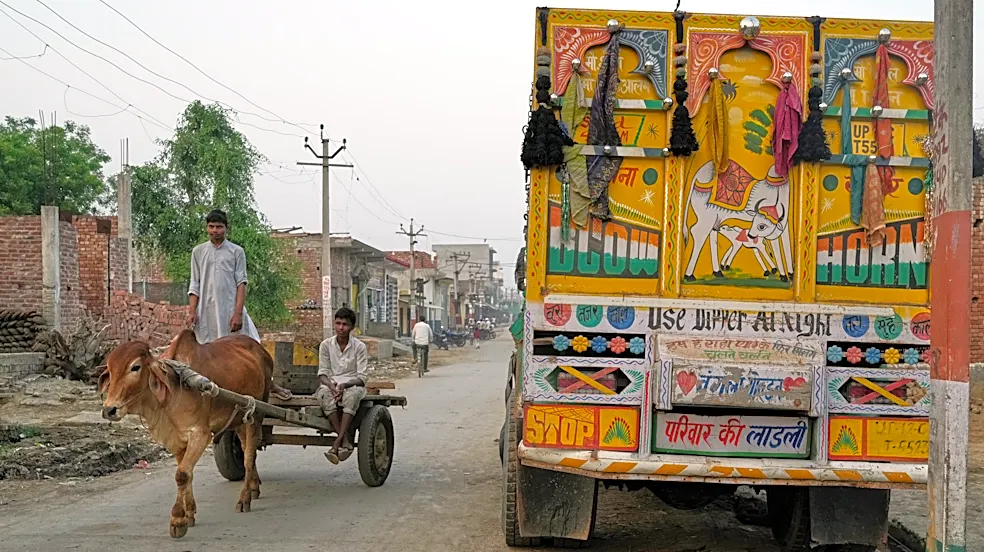
UN Women is implementing the Women Empowered for Climate resilience through Ag iNnovation (WE-CAN) project in Jhabua District, Madhya Pradesh, India. This initiative focuses on enabling women smallholder farmers to access and adopt climate-smart agricultural
inputs, specifically biofertilizers, to improve soil health, crop productivity, income, and resilience to climate change. The project recognizes that climate change disproportionately affects women and girls and aims to advance gender-responsive climate and environmental action. A UN Associate Volunteer will support field-level engagement with women farmers, collect data on project effectiveness, and develop creative communication and knowledge products. This role provides practical experience in gender-responsive and climate-resilient agriculture programming.
Why It's Important?
This project is important because it addresses the intersection of gender inequality and climate change, particularly in agricultural communities. Women smallholder farmers often face unique challenges in accessing resources, information, and decision-making power, which are exacerbated by climate change impacts. By promoting the adoption of climate-smart technologies like biofertilizers, the WE-CAN project aims to enhance food security, improve livelihoods, and build resilience within these vulnerable communities. Empowering women in agriculture not only contributes to their economic independence but also strengthens the overall adaptive capacity of the agricultural sector. The project's focus on data collection and knowledge product development will provide valuable insights into effective strategies for gender-responsive climate action, which can be replicated and scaled in other regions facing similar challenges.
What's Next?
The UN Associate Volunteer will undertake several key tasks, including engaging with women farmers to assess challenges and enablers in technology adoption, documenting lessons learned in field logs, and piloting select recommendations to strengthen the program's positive impact. They will also conduct a literature review of climate-smart agricultural innovation programs to identify best practices for women farmers and develop participatory training modules on leadership, decision-making, and climate-smart practices. Furthermore, the volunteer will conduct a market assessment for agricultural inputs and develop a photo-story to document women farmers' voices and journeys. These activities will contribute to strengthening evidence generation on what works to improve women's access to climate-resilient agricultural innovations and will inform future programming and policy development in gender-responsive climate action.
Beyond the Headlines
The WE-CAN project highlights the critical role of women in climate adaptation and sustainable development, moving beyond their traditional portrayal as passive beneficiaries. By empowering women farmers as innovators and leaders, the initiative challenges existing gender norms and promotes a more equitable distribution of resources and decision-making power within agricultural systems. This has broader societal implications, fostering greater gender equality and community resilience. The project's emphasis on evidence-based approaches and knowledge sharing can contribute to a global understanding of how to effectively integrate gender perspectives into climate policies and programs. Ethically, it addresses the imperative to support vulnerable populations disproportionately affected by environmental changes, ensuring that climate solutions are inclusive and just. This long-term investment in women's empowerment in agriculture can lead to more sustainable food systems and stronger communities in the face of a changing climate.