







What's Happening?
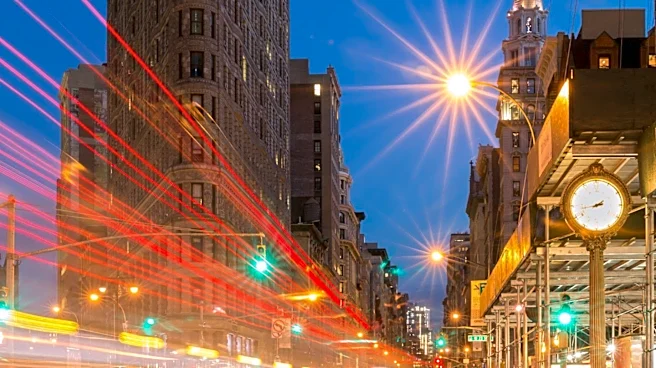
The iconic Flatiron Building in New York City, known for its distinctive triangular shape, is undergoing a significant transformation from a commercial office space into luxury residential apartments. This 123-year-old landmark, located at the intersection
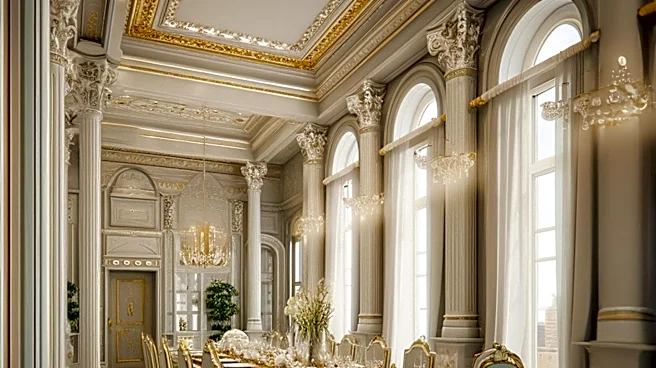
of Fifth Avenue and Broadway, is being converted into 38 private residences. The building, which was emptied in 2019, is being preserved externally while receiving a new permanent exterior lighting system. The interior redesign, led by Studio Sofield, aims to blend historic architectural elements with modern luxury, featuring high ceilings, private elevators, and an underground wellness center. The apartments, which range from three-bedroom units starting at $11.75 million to five-bedroom residences priced at about $50 million, are designed to highlight the building's unique geometry and offer sweeping urban views.
Why It's Important?
The conversion of the Flatiron Building into luxury residences reflects broader trends in Manhattan's real estate market, where hybrid work models and declining office occupancy rates have prompted developers to repurpose commercial spaces. This transformation is part of a larger movement to address the changing needs of urban living, particularly in response to the COVID-19 pandemic. The project not only preserves a historic landmark but also introduces high-end housing options in a prime location, potentially increasing property values and attracting affluent buyers. The addition of a permanent lighting system enhances the building's nighttime presence, aligning it with other illuminated landmarks in the city, and underscores the importance of maintaining cultural heritage while adapting to contemporary demands.
What's Next?
As the Flatiron Building's conversion progresses, the focus will be on completing the interior renovations and ensuring that the historic elements are preserved while meeting modern living standards. The introduction of luxury residences in such a prominent location may influence future real estate developments in Manhattan, encouraging similar conversions of historic buildings. Stakeholders, including city officials and preservationists, will likely monitor the project's impact on the local community and real estate market. The success of this transformation could set a precedent for balancing historic preservation with urban development, potentially leading to more innovative uses of iconic structures.
Beyond the Headlines
The transformation of the Flatiron Building raises questions about the ethical considerations of converting historic landmarks into luxury properties. While the project preserves the building's exterior and some interior elements, it also highlights the tension between maintaining cultural heritage and catering to high-end real estate markets. This development may spark discussions about accessibility and inclusivity in urban planning, as the creation of luxury residences in a historic building could limit public access to a significant cultural site. Additionally, the project's emphasis on sustainability and modern amenities reflects a growing trend in urban development to integrate environmental considerations into architectural design.